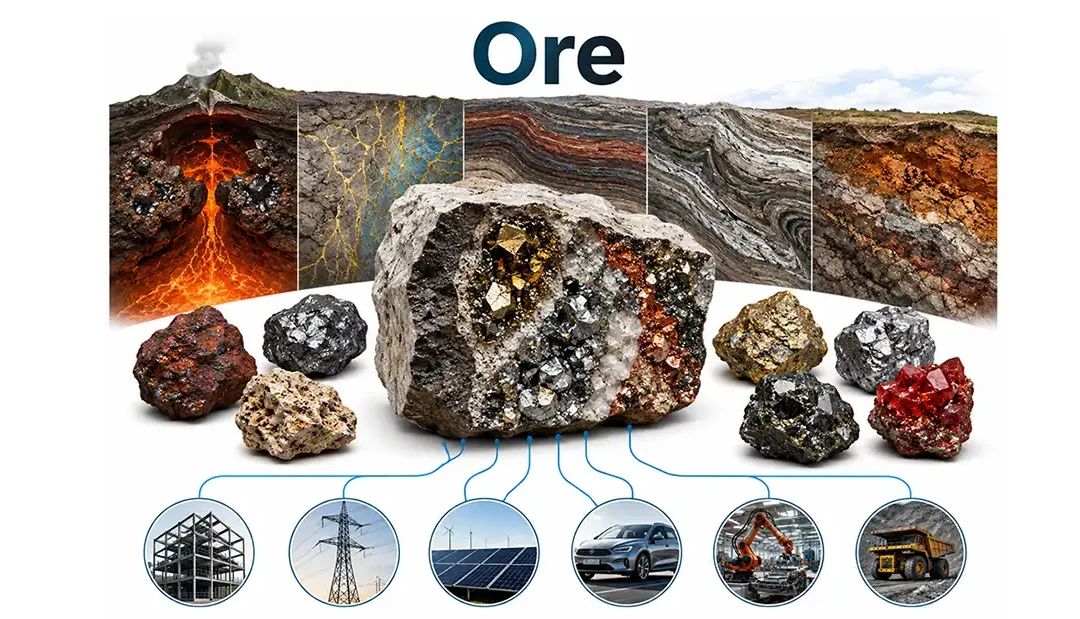
 Take a moment to look around you. The steel in buildings, the copper inside electrical wires, the aluminum in airplanes, and even the minerals used in smartphones all have one thing in common—they began as ore hidden deep within the Earth. Before these valuable...
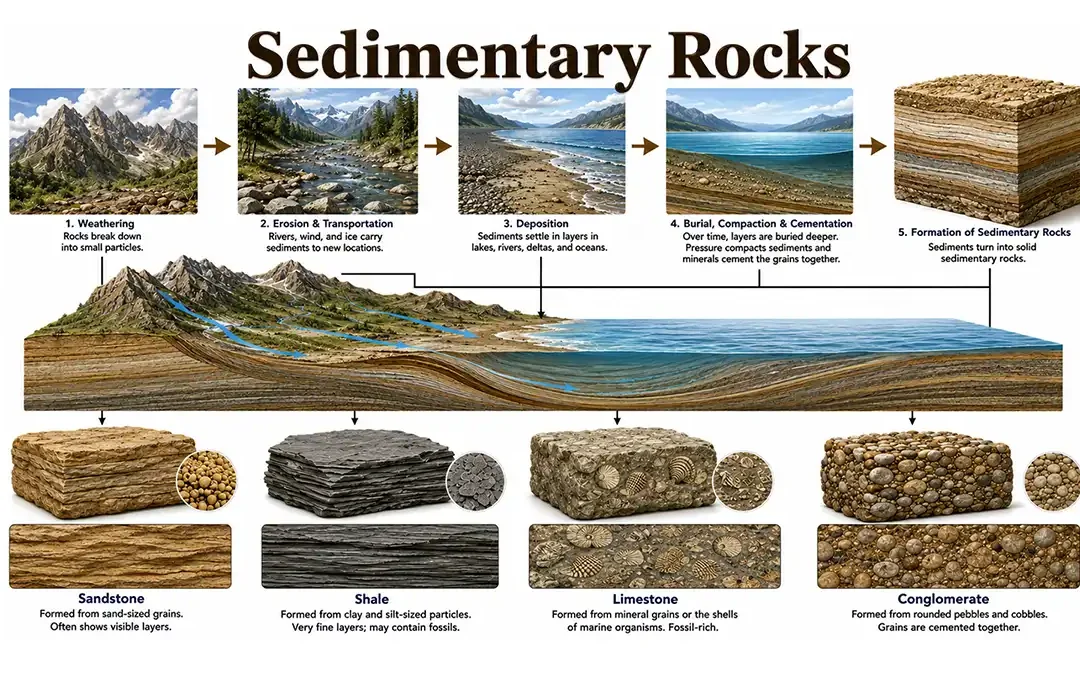 Every mountain, canyon, river valley, and coastline tells a geological story written over millions of years. Among the three major rock groups found on Earth, sedimentary rocks provide the clearest record of that history. These rocks preserve evidence of ancient...
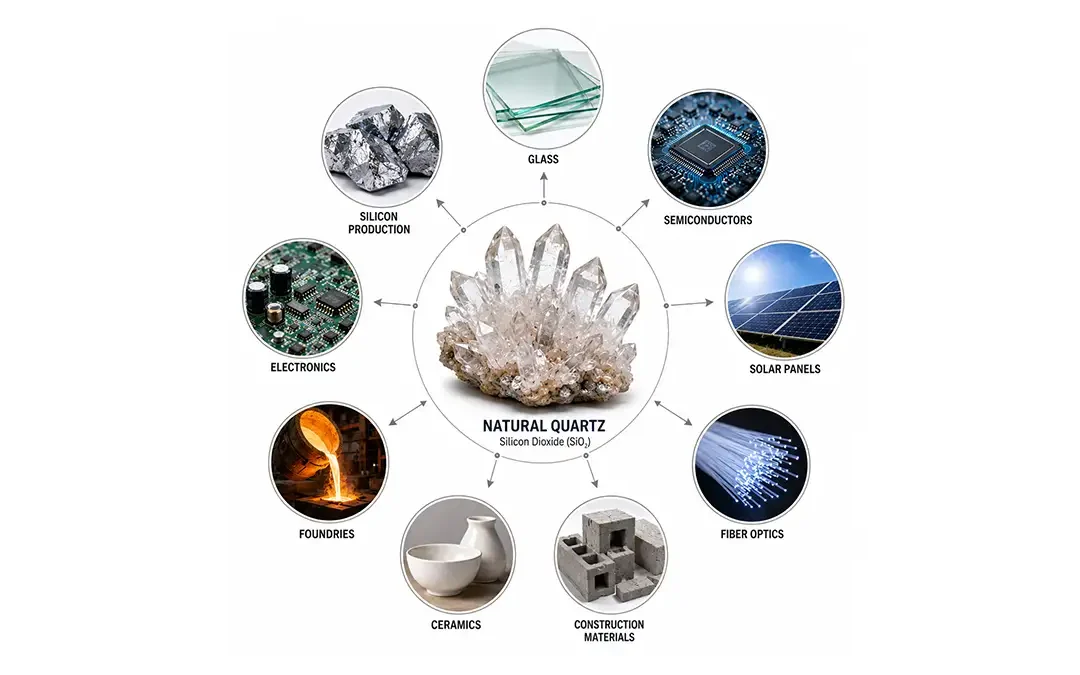 Quartz is one of the most abundant and economically important minerals found in the Earth’s crust. Composed primarily of silicon dioxide (SiO₂), quartz is valued for its hardness, chemical stability, transparency, and high silica content. These unique properties...
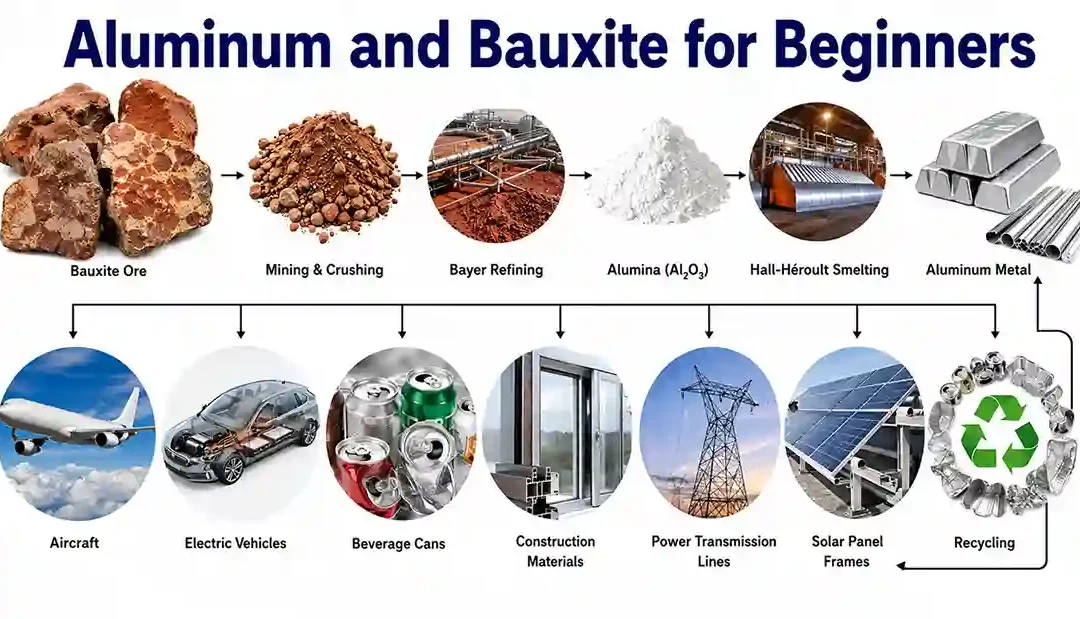 Aluminum is one of the world’s most widely used metals because it is lightweight, corrosion-resistant, recyclable, and highly versatile. However, aluminum does not occur naturally as pure metal. Instead, it is produced from bauxite, the primary ore of aluminum....
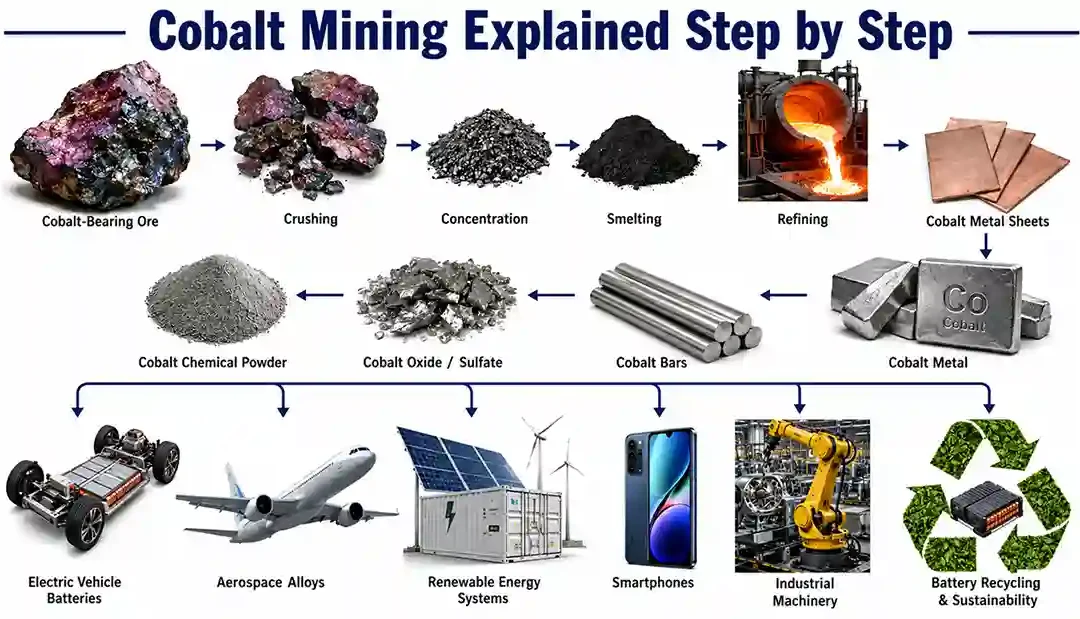 Cobalt is one of the world’s most valuable critical minerals because it plays a major role in rechargeable batteries, superalloys, aerospace engineering, electronics, and renewable energy technologies. Although cobalt has many industrial uses, it is best known...
