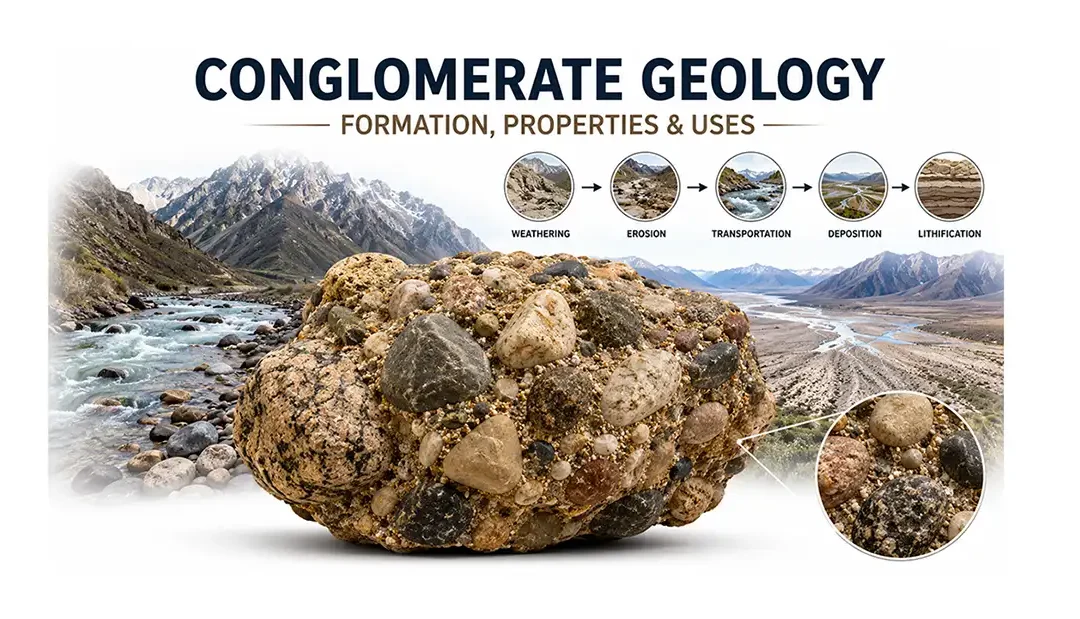
 Among the many types of sedimentary rocks, conglomerate is one of the easiest to recognize because of its distinctive appearance. It consists of large, rounded rock fragments cemented together by finer sediments or mineral deposits, giving it a coarse and often...
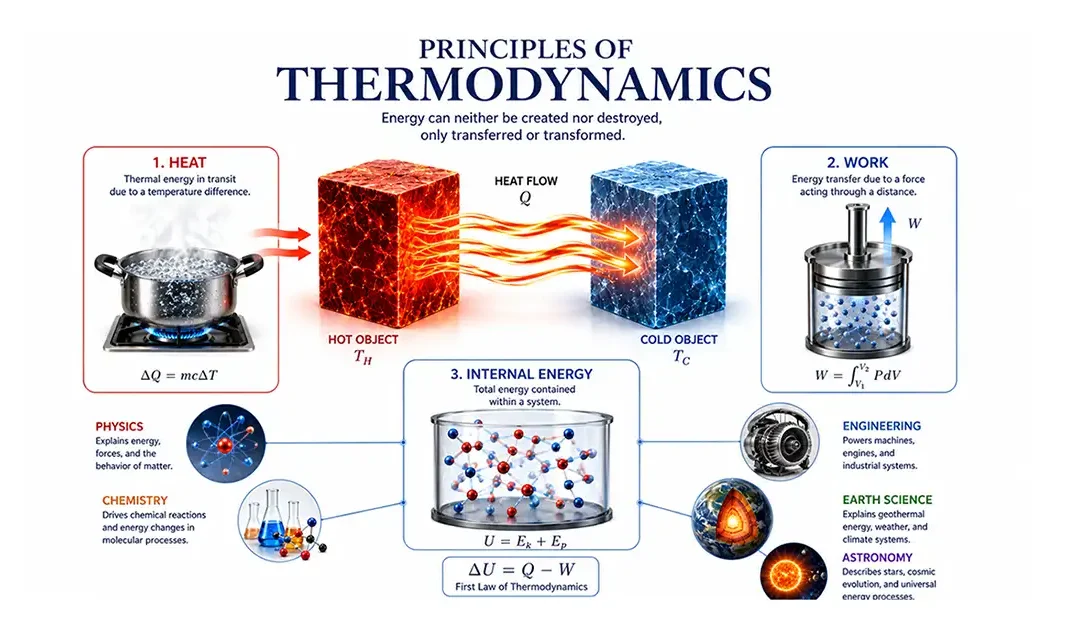 Every time you boil water, refrigerate food, drive a car, or even breathe, the principles of thermodynamics are at work. Although the term may sound highly technical, thermodynamics is simply the branch of science that explains how heat, energy, and work interact....
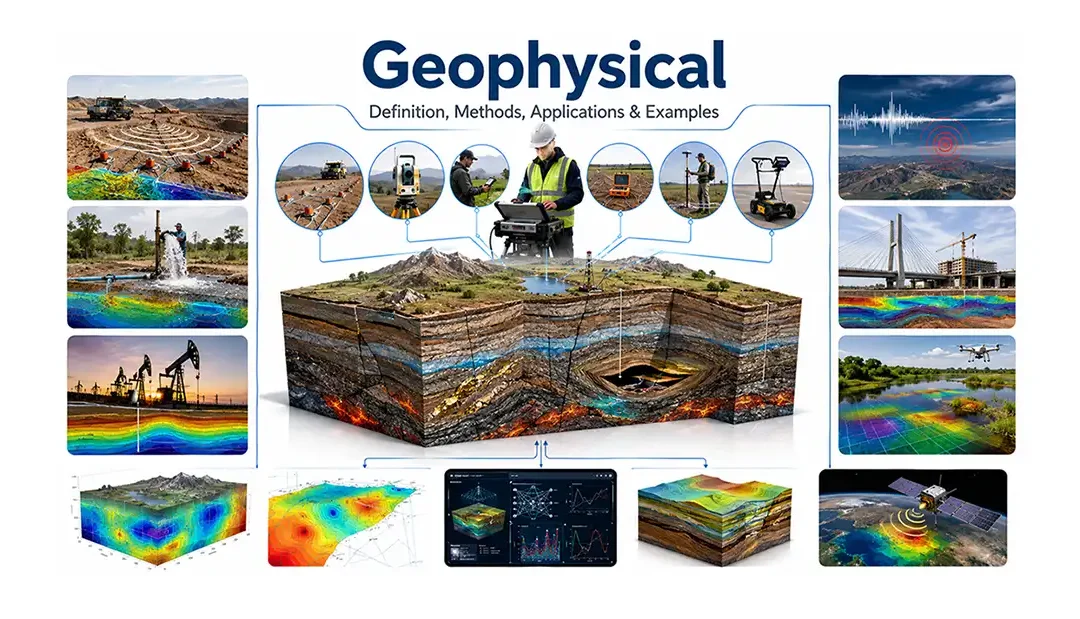 Every day, scientists investigate what lies beneath the Earth’s surface without digging deep into the ground. They can locate hidden mineral deposits, detect underground water, map buried faults, and even study the structure of the Earth’s interior. Much...
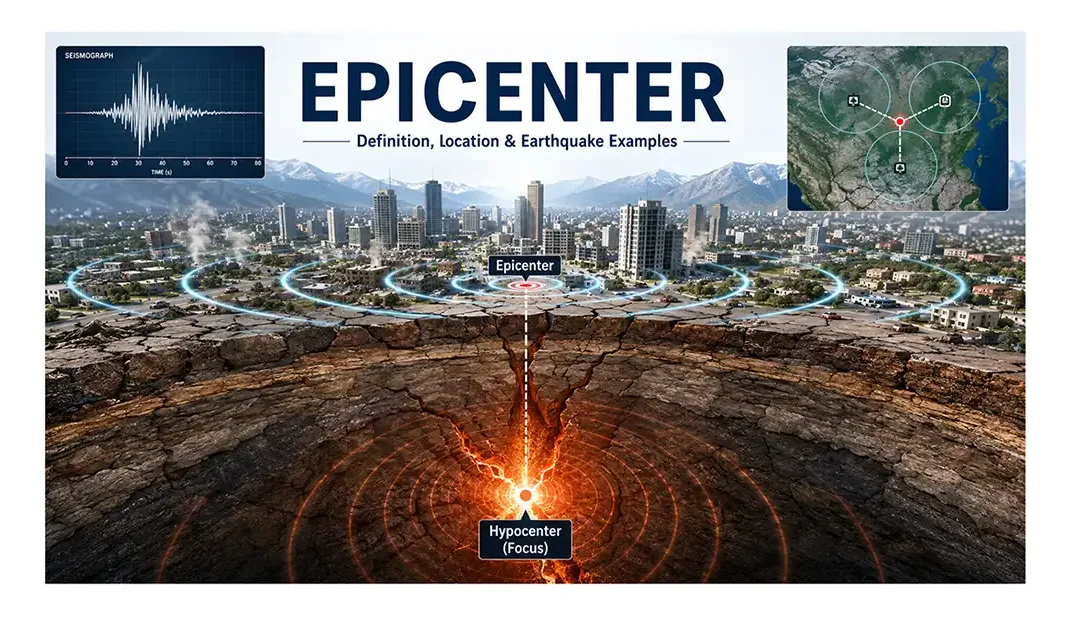 After a major earthquake, one location almost always appears in news headlines—the epicenter. Whether the event strikes beneath a city, a remote mountain range, or the ocean floor, reporters quickly identify the epicenter to show where the earthquake happened. Yet...
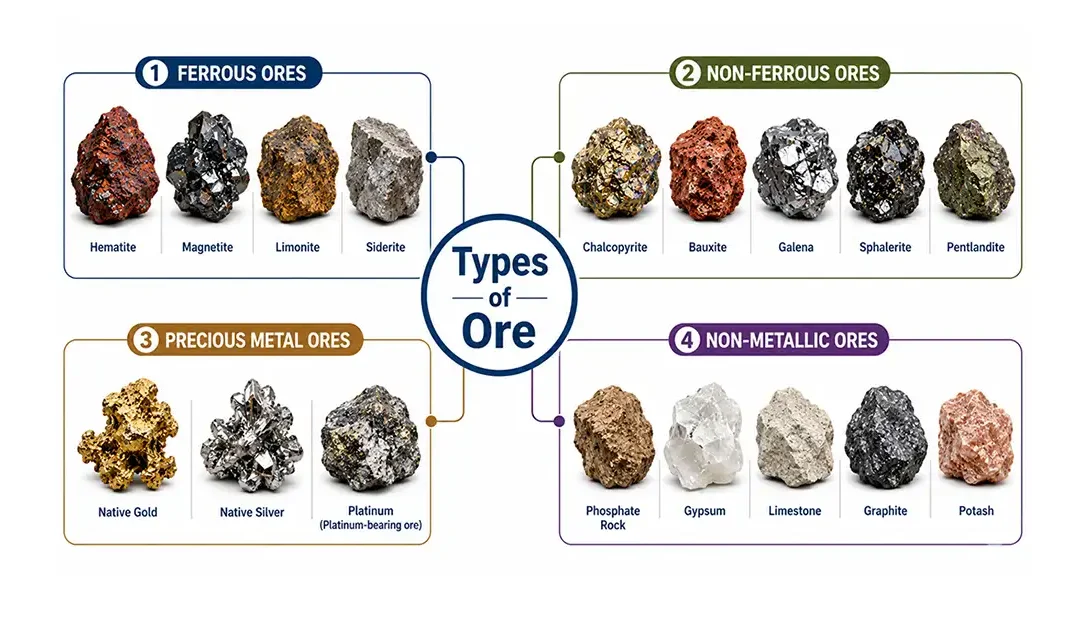 From the steel used in skyscrapers to the copper inside electrical wiring, different types of ore supply the raw materials that power modern civilization. However, not all ores are the same. Geologists classify ores based on their metal content, mineral composition,...
