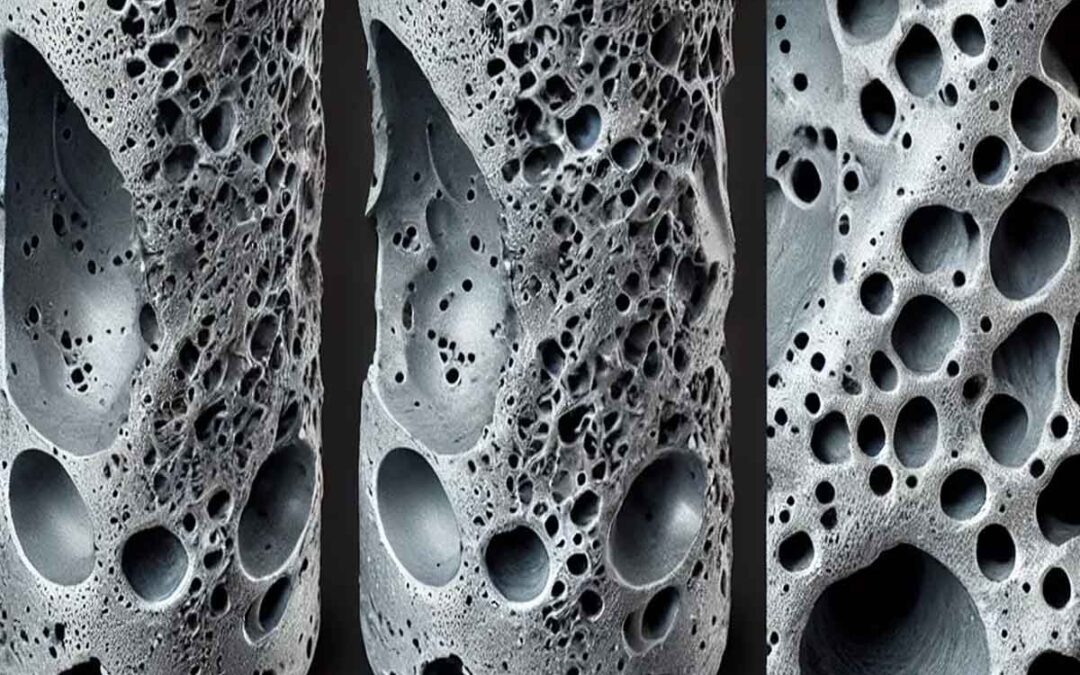
 Porosity is an important property of a material, describing the ratio of voids to the total volume. This property is important in many fields, including geology, materials science, environmental studies, and engineering. Understanding porosity is key to assessing how...
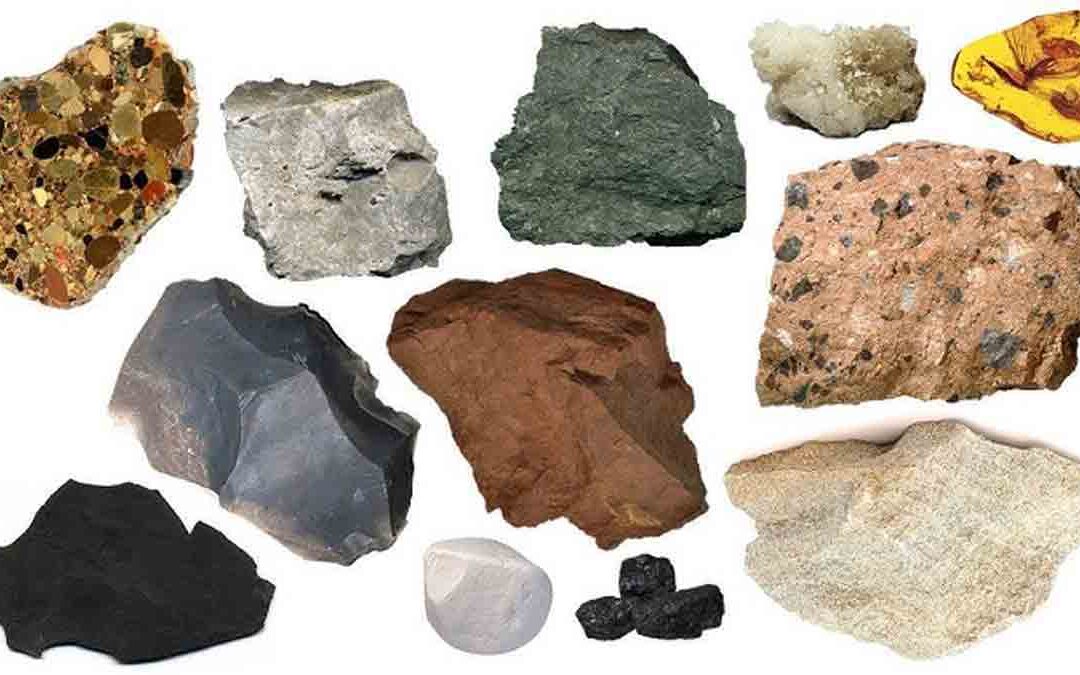 Sediments are materials formed due to mechanical or chemical activity by the agents of denudation on preexisting rocks. They are deposited in a stratified fashion, layer after layer, at the surface of the lithosphere. Lithification of the sediments at relatively low...
 Metamorphic Textures Small-scale features that occur in virtually all of the rock body at the microscopic scale The term ‘Fabric’ is also used synonymously. As the rock-forming processes differ among types of metamorphism, the resulting texture is also different....
 Classification Contact Metamorphism Pyrometamorphism Regional Metamorphism Orogenic Metamorphism Burial Metamorphism Ocean Floor Metamorphism Hydrothermal Metamorphism Fault-Zone Metamorphism Impact or Shock Metamorphism 1. Contact Metamorphism Temperature is the...
 Four types of Metamorphic agents Temperature Pressure Directive stress Chemically active fluid/metamorphic fluids Temperature In regular continental crust, a typical geothermal gradient within the first 3 to 5 kilometers (2 or 3 miles) of Earth’s surface is...
 What is Metamorphism? The term metamorphism comes from the Greek (meta morph), meaning “change of form. The International Union of Geological Sciences (IUGS) defined Metamorphism as – “a process involving changes in the mineral content/composition and/or...
