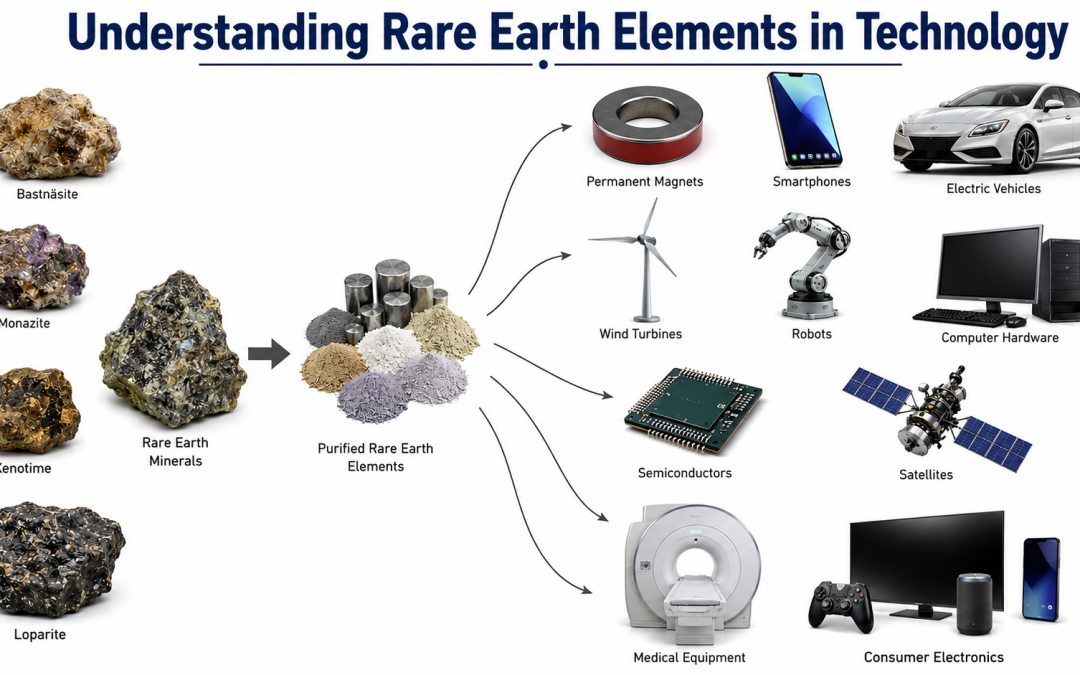
 Rare earth elements (REEs) are a group of critical metals that play a vital role in modern technology. Although they are called “rare,” many are relatively abundant in the Earth’s crust. Their unique magnetic, optical, catalytic, and electrical...
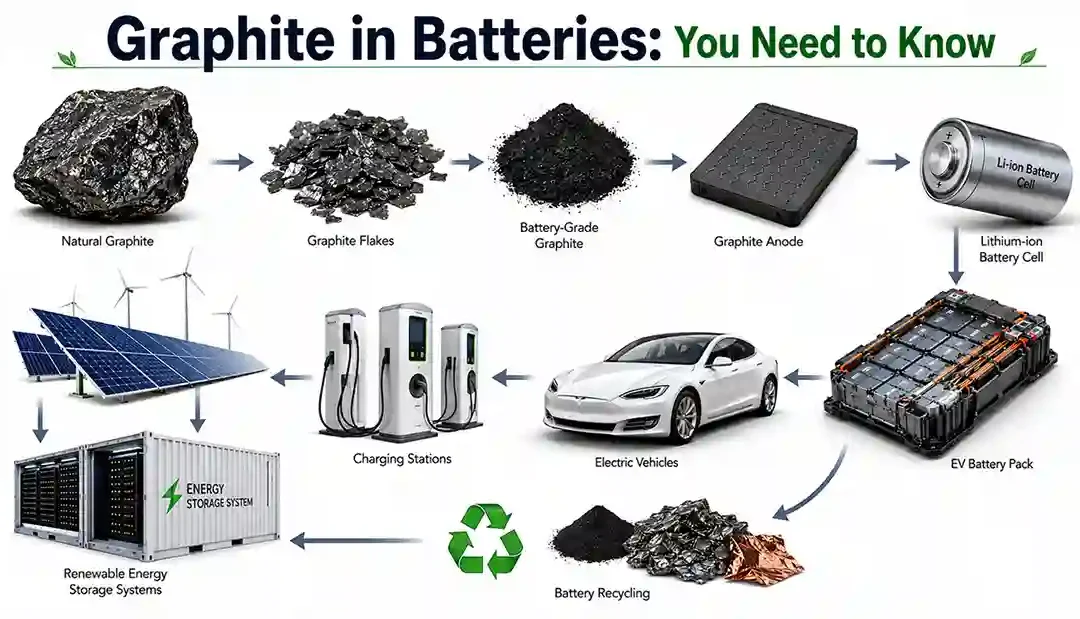 Graphite is one of the most essential minerals used in modern rechargeable batteries. Although lithium often receives the most attention, graphite is the primary material used in the anode of almost every commercial lithium-ion battery. Without graphite, electric...
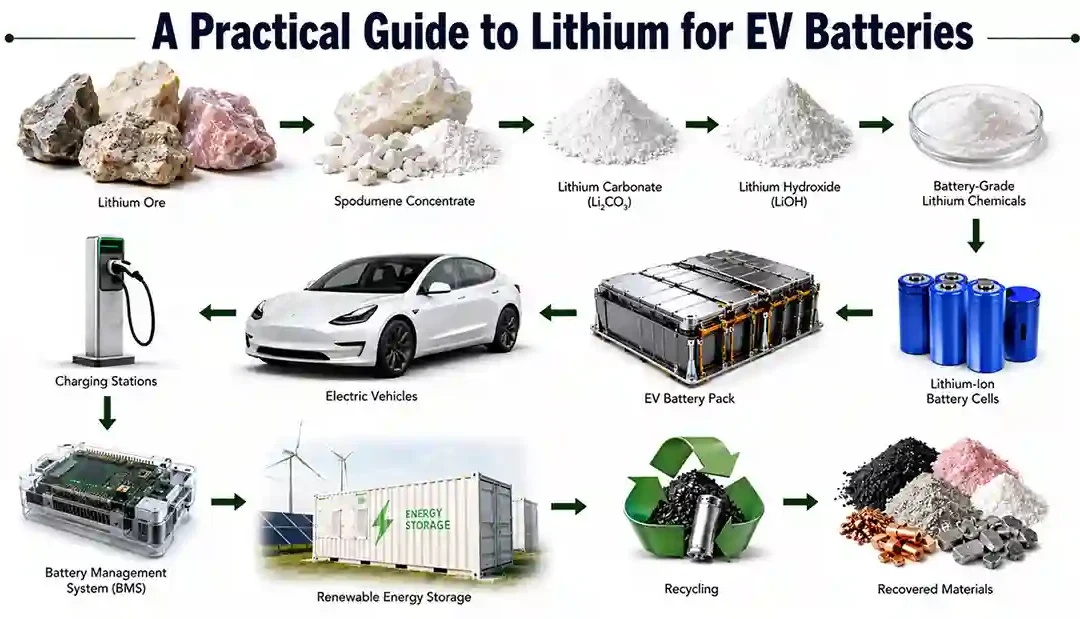 Lithium has become one of the world’s most important minerals because it is the key ingredient in rechargeable batteries used by electric vehicles (EVs). From compact electric cars to buses and trucks, lithium-ion batteries provide the energy needed for clean...
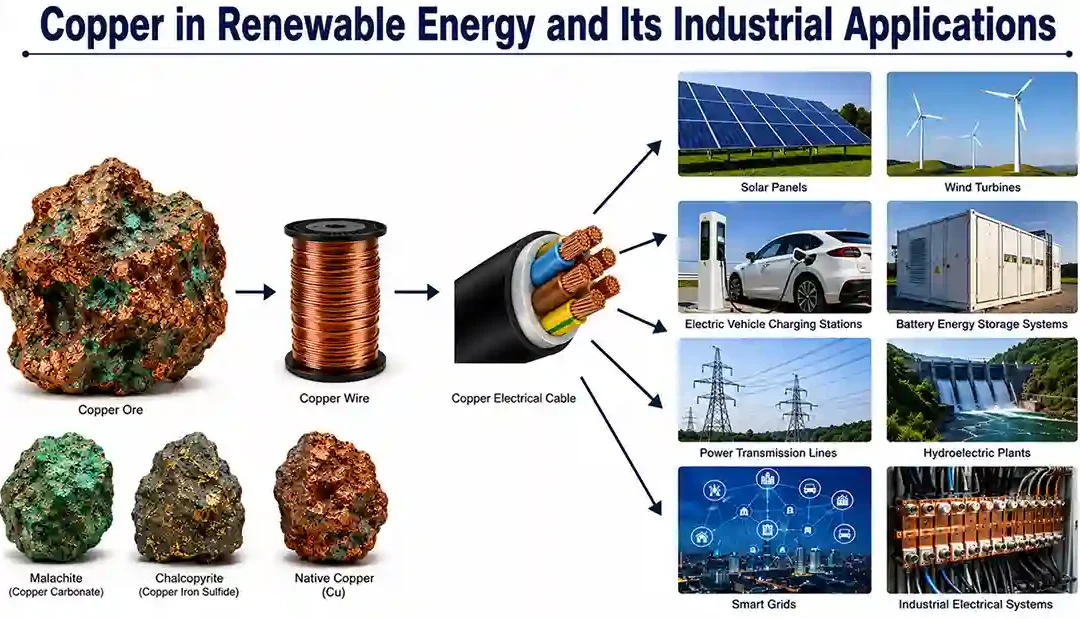 Copper is one of the most important metals driving the global transition to renewable energy. Its outstanding electrical conductivity, corrosion resistance, and durability make it essential for generating, transmitting, storing, and using clean electricity. Nearly...
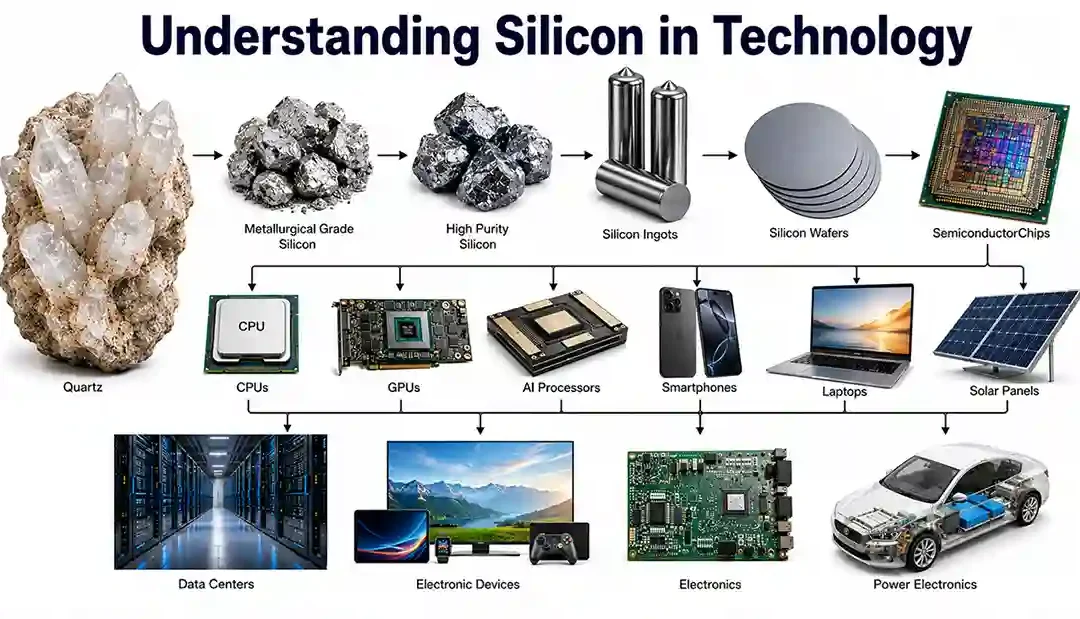 Silicon is one of the most important elements in modern technology. Derived primarily from high-purity quartz (silica), silicon forms the foundation of semiconductor chips that power computers, smartphones, artificial intelligence (AI), communication systems,...
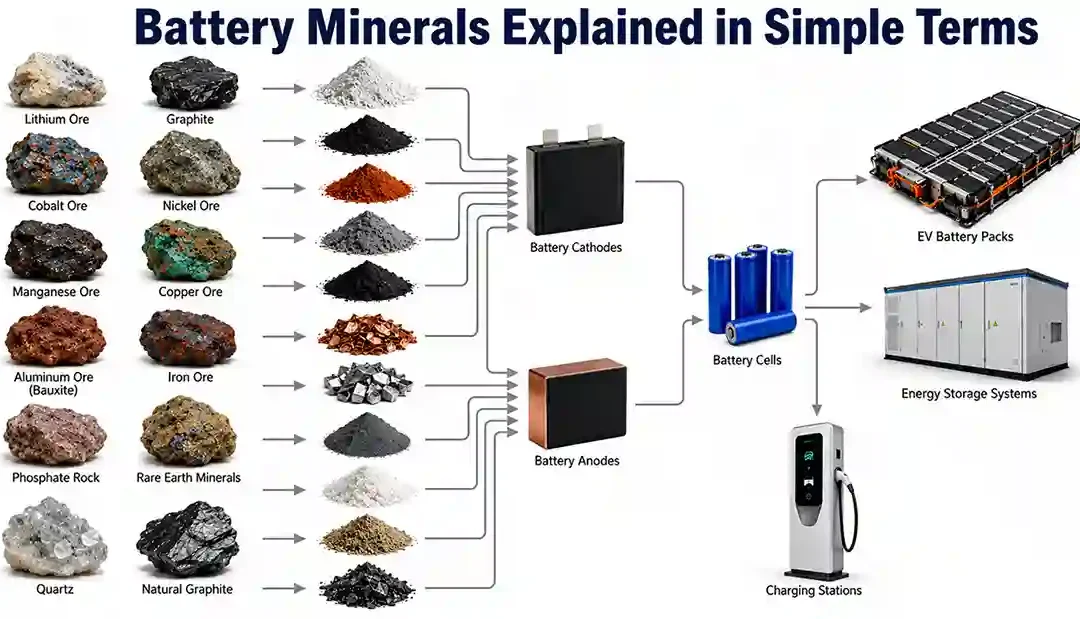 Rechargeable batteries have become one of the most important technologies in modern society. They power smartphones, laptops, electric vehicles (EVs), renewable energy storage systems, and countless portable electronic devices. Behind every battery is a group of...
