
Latest Post & Case Study
Recent Post
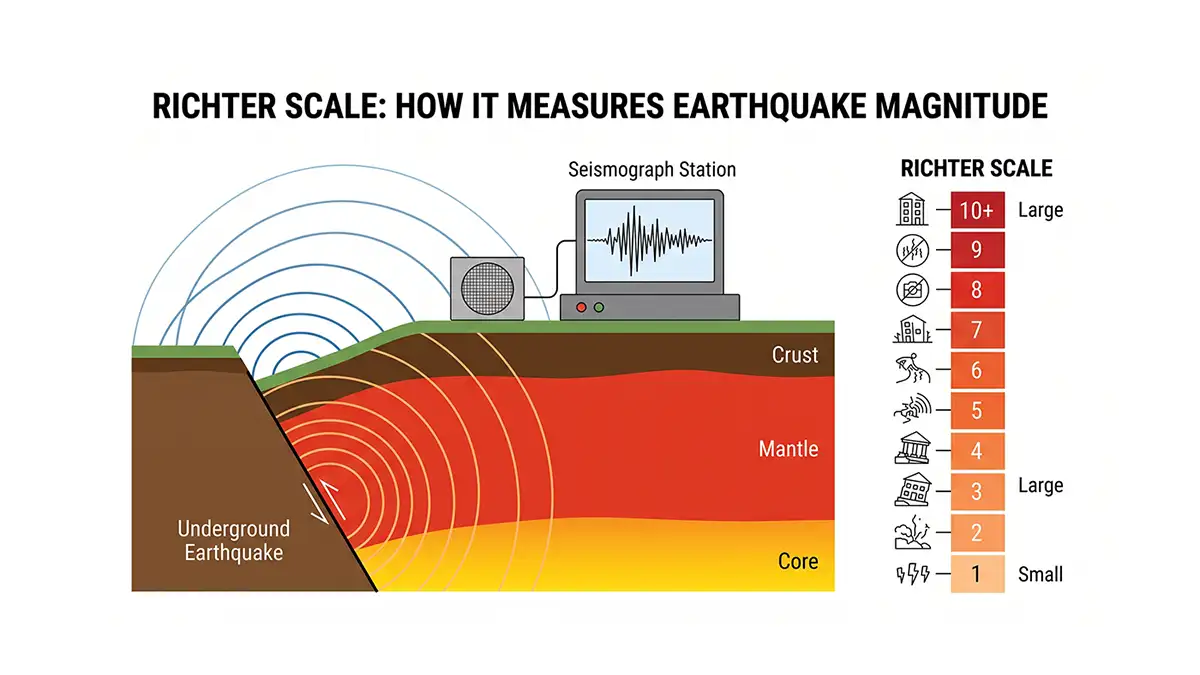
Richter Scale: How It Measures Earthquake Magnitude
The Richter scale is a logarithmic scale originally developed to measure the size of earthquakes from the amplitude of...
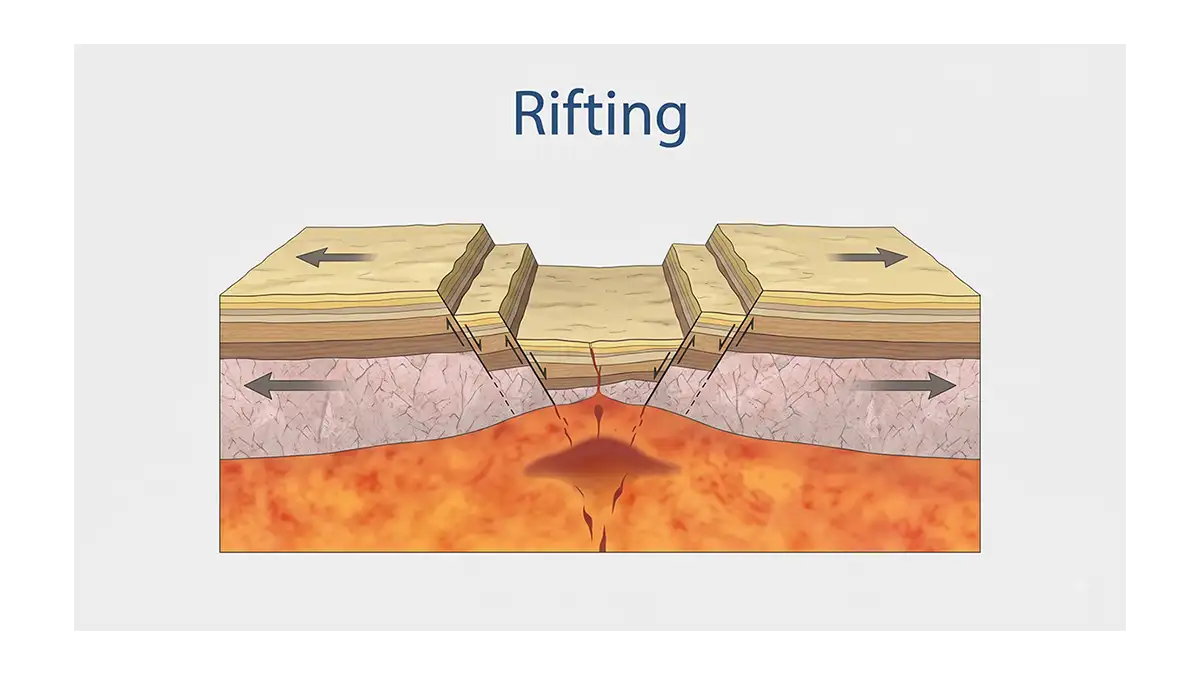
Rifting: Definition, Causes, Process, Types, and Examples
Rifting is a geological process in which the Earth's lithosphere is stretched and pulled apart. As the crust extends,...
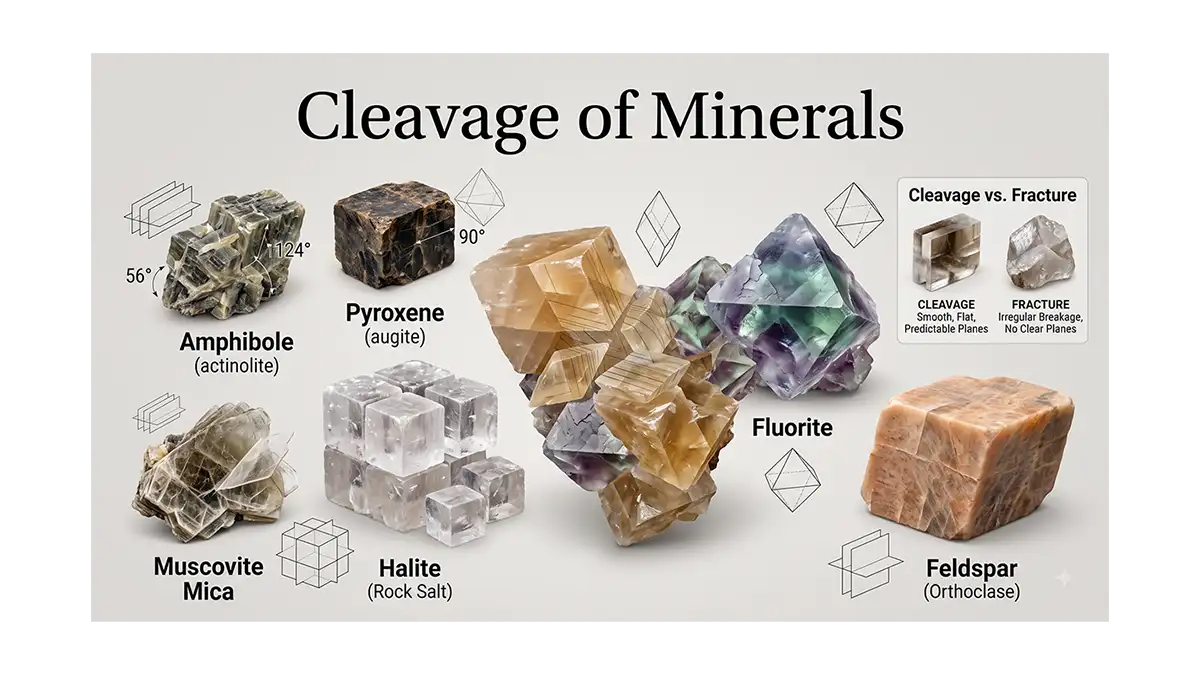
Cleavage of Minerals: Definition, Types, Examples, and Importance
Cleavage of minerals is an important physical property that describes how a mineral breaks along specific planes of...
Mineralogy & Petrology

Double Refraction Explained: Birefringence, Identification, and Mineral Examples
Double refraction, also known as birefringence, is one of the most important optical properties used in mineralogy and...

Refractive Index in Minerals Explained: Measurement, Identification, and Examples
Refractive index (RI) is one of the most important optical properties used in mineralogy and gemology. It measures how...

Optical Properties of Minerals Explained: Types, Identification, and Examples
The optical properties of minerals describe how minerals interact with visible light. These properties include color,...
Geology & Earth Science
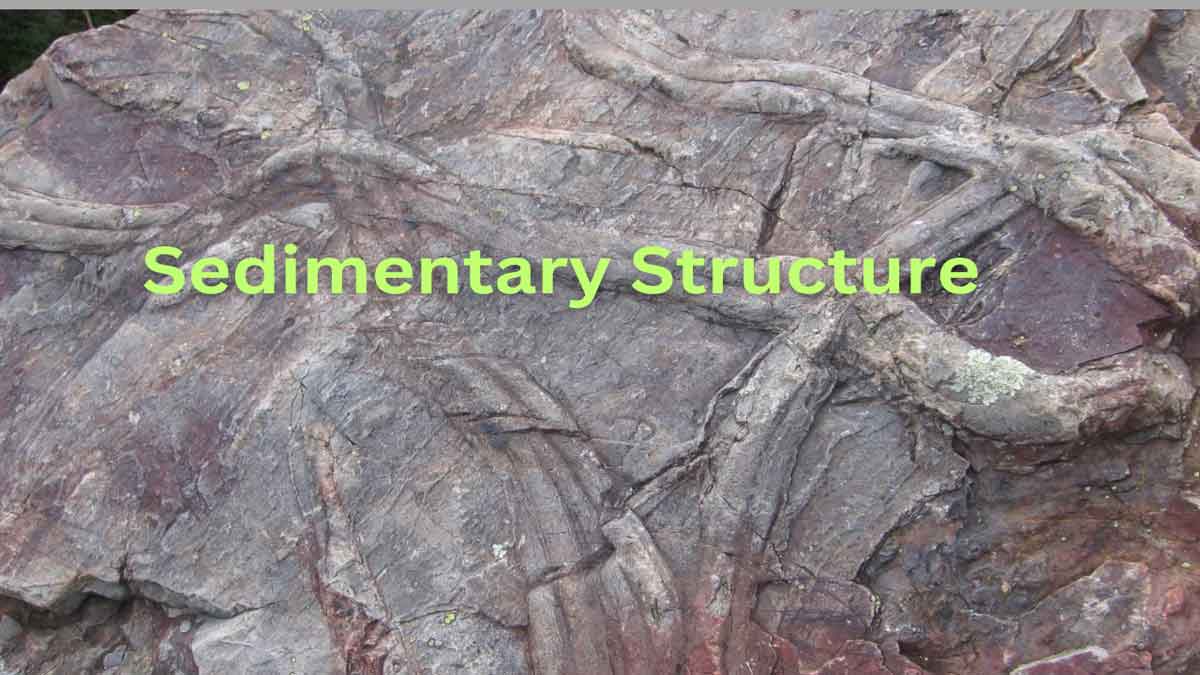
Sedimentary Structure: Classification and Development Explained
Sedimentary Structure: These are large-scale features or patterns of sediments that are produced as a result of the...

Biostratigraphy of Bangladesh
The Cenozoic succession of Bangladesh has been differentiated into a number of biostratigraphic units, viz.,...

Major Classification of The Coastal Region of Bangladesh
Depending on the geomorphological features, the coastal region of Bangladesh can broadly be divided into the following...
Paleontology
No Results Found
The page you requested could not be found. Try refining your search, or use the navigation above to locate the post.
Solar System
No Results Found
The page you requested could not be found. Try refining your search, or use the navigation above to locate the post.