
Latest Post & Case Study
Recent Post
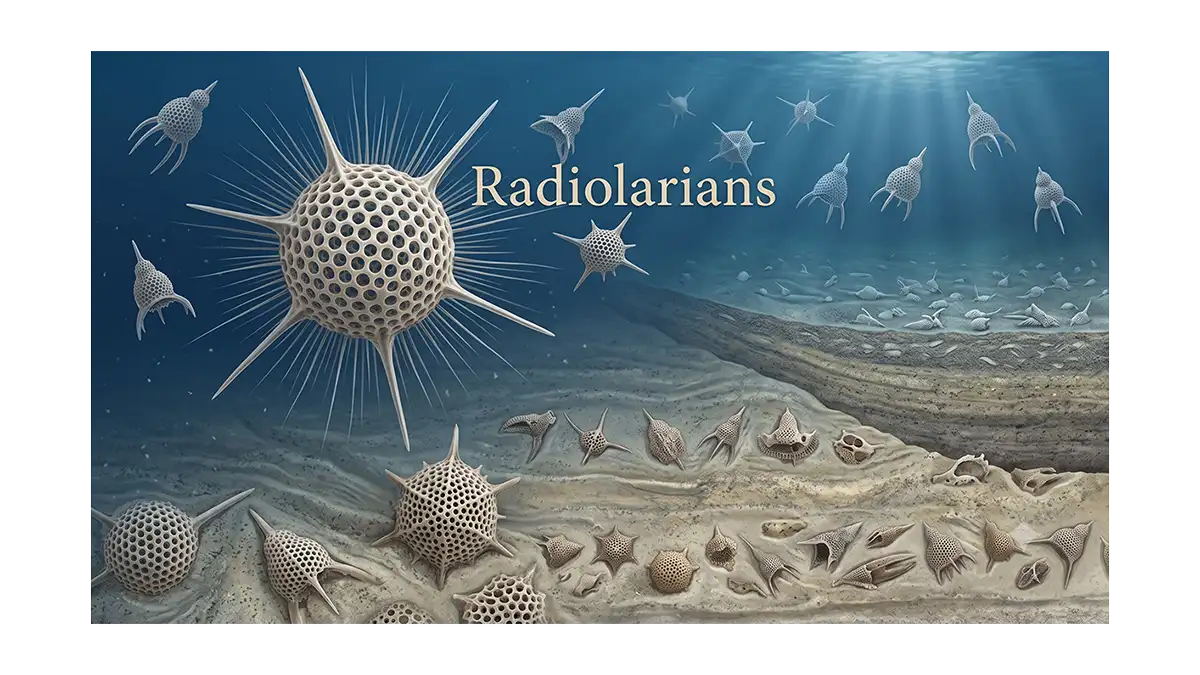
Radiolarian: Definition, Characteristics, Fossils, and Geological Importance
Radiolarian is a microscopic marine organism known for its intricate mineral skeleton and importance in the geological...
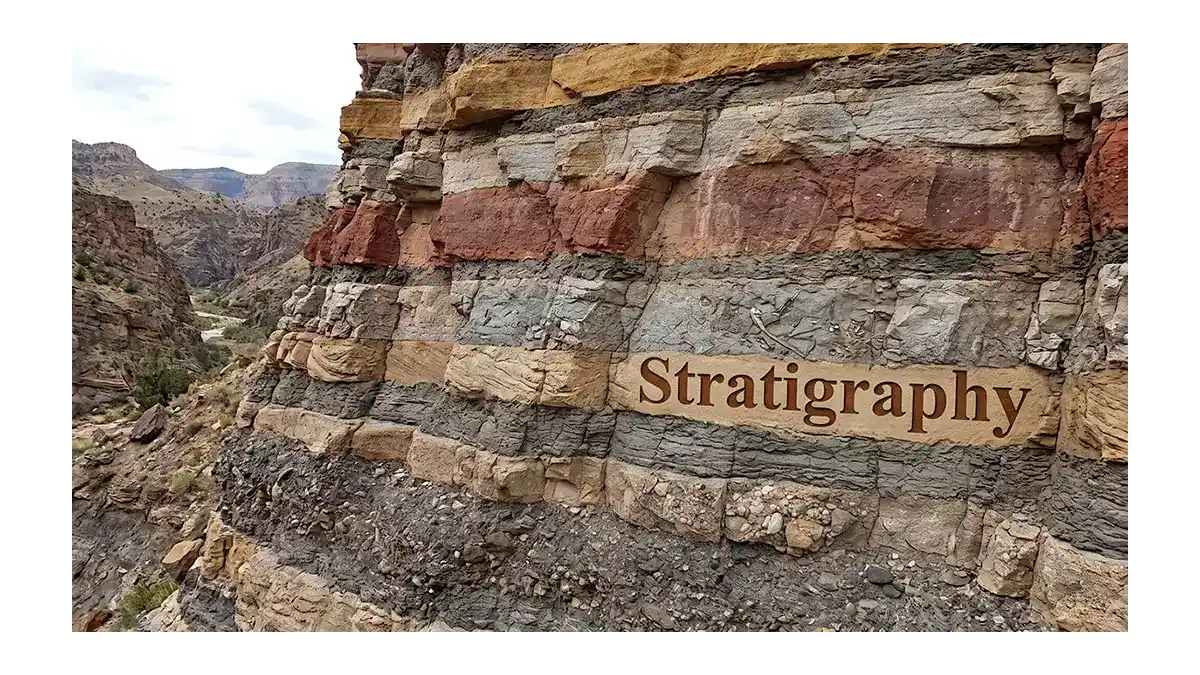
Stratigraphy: Definition, Principles, Types, Methods, and Importance
Stratigraphy is an important branch of geology that focuses on the study of rock layers, their sequence, age,...
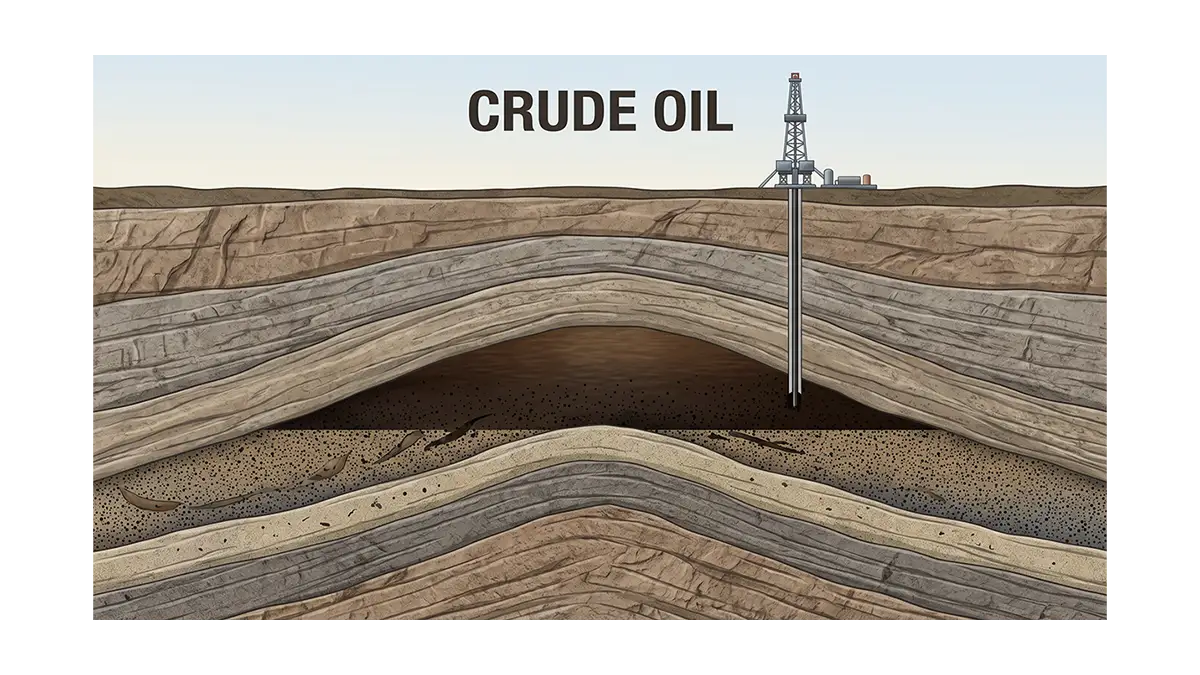
Crude Oil: Formation, Composition, Types, Uses, and Importance
Crude oil is one of the most important natural resources on Earth. It is a naturally occurring liquid made mainly of...
Mineralogy & Petrology

Mineral Weathering Explained: Types, Processes, and Weathering Products
Mineral weathering is the natural process through which minerals break down, dissolve, or transform when exposed to...

Mineral Solubility Explained: Dissolution, Factors, and Mineral Examples
Mineral solubility is the ability of a mineral to dissolve in water or other natural fluids under specific...

Mineral Stability Explained: Factors, Weathering, and Stability Series
Mineral stability describes how resistant a mineral is to physical and chemical changes under Earth's surface...
Geology & Earth Science

Capillary Pressure Explained Simply
Capillary pressure: Capillarity is the phenomenon whereby liquid is drawn up a capillary tube. It is a measurement of...
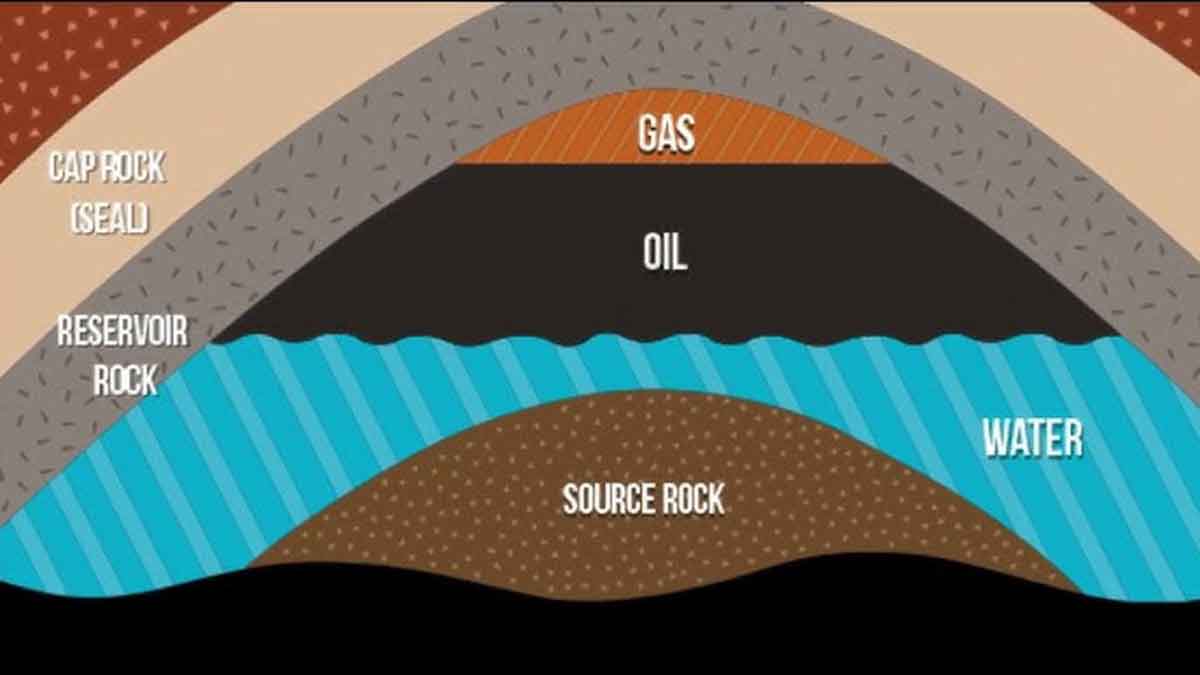
Source Rocks: The Basic Parameters to Make It
Source Rocks: A Petroleum source rock is defined as any rock that has the capability to generate and expel enough HC...
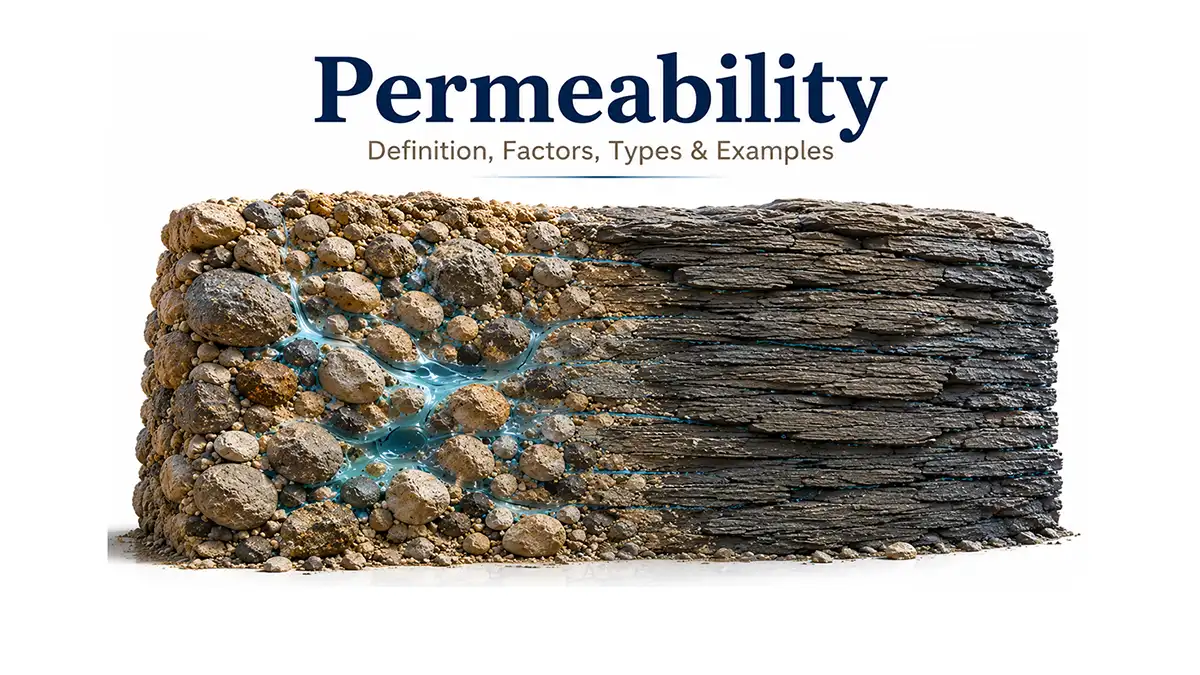
Permeability: Definition, Types, Methods, and Measurement
Imagine pouring water onto two different surfaces. One is a layer of clean sand, where the water quickly disappears...
Paleontology
No Results Found
The page you requested could not be found. Try refining your search, or use the navigation above to locate the post.
Solar System
No Results Found
The page you requested could not be found. Try refining your search, or use the navigation above to locate the post.