 Petroleum evolves from organic matter through heat, pressure, and time. Initially, buried material transforms into kerogen (diagenesis). With deeper burial, kerogen breaks down into oil and gas (catagenesis). In the final stage, extreme heat converts hydrocarbons into...
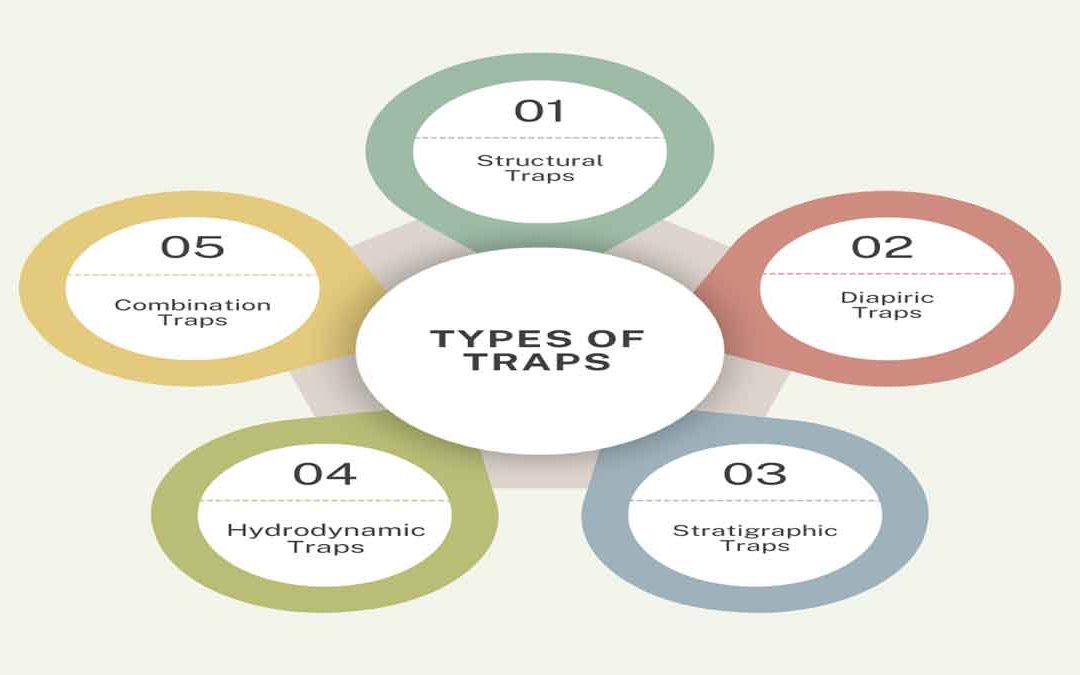 Types of traps are geological structures that retain hydrocarbons, preventing further movement. They include structural, diapiric, stratigraphic, hydrodynamic, and combination traps formed by rock deformation, sediment movement, or water flow. Understanding these...
 Capillary pressure: Capillarity is the phenomenon whereby liquid is drawn up a capillary tube. It is a measurement of the force that draws a liquid up a thin tube, or capillary. It increases with decreasing tube diameter. Translated into geological terms, the...
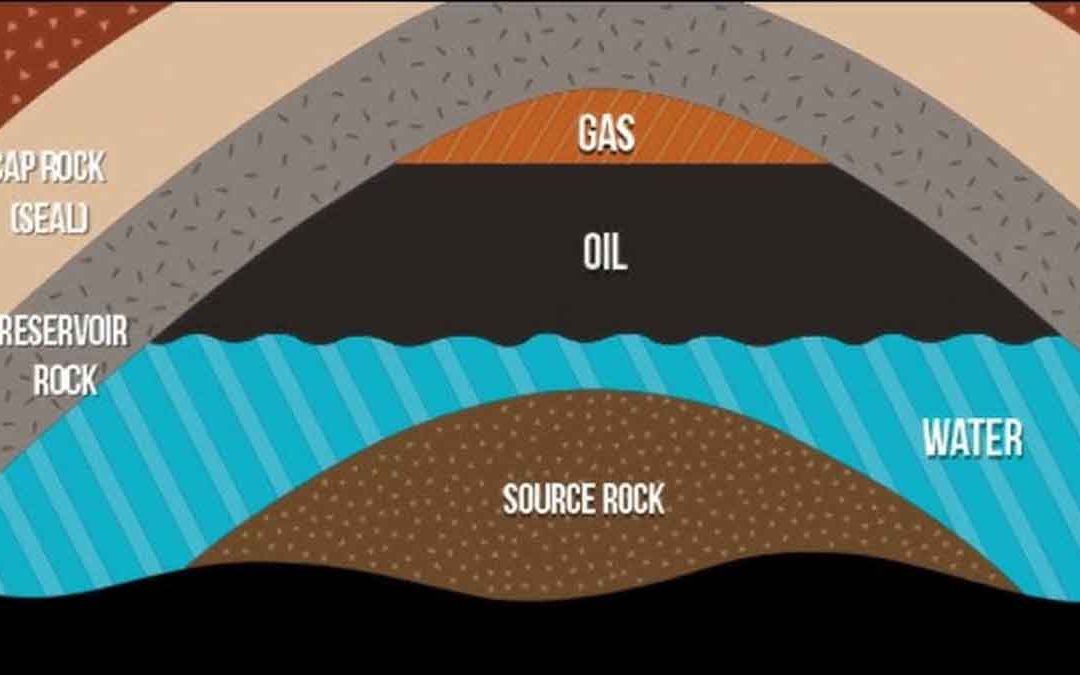 Source Rocks: A Petroleum source rock is defined as any rock that has the capability to generate and expel enough HC to form an accumulation of oil or gas. A potential source rock is one that is too immature to generate petroleum but will form significant quantities...
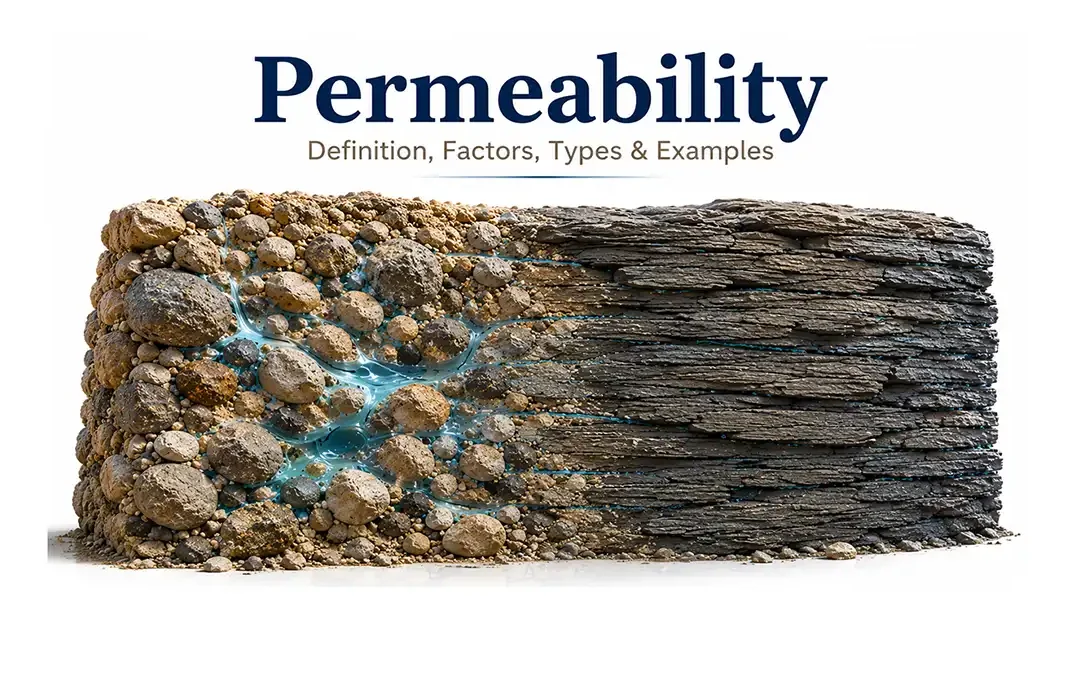 Imagine pouring water onto two different surfaces. One is a layer of clean sand, where the water quickly disappears into the ground. The other is a layer of compact clay, where the water remains on the surface for much longer. The difference between these two...
