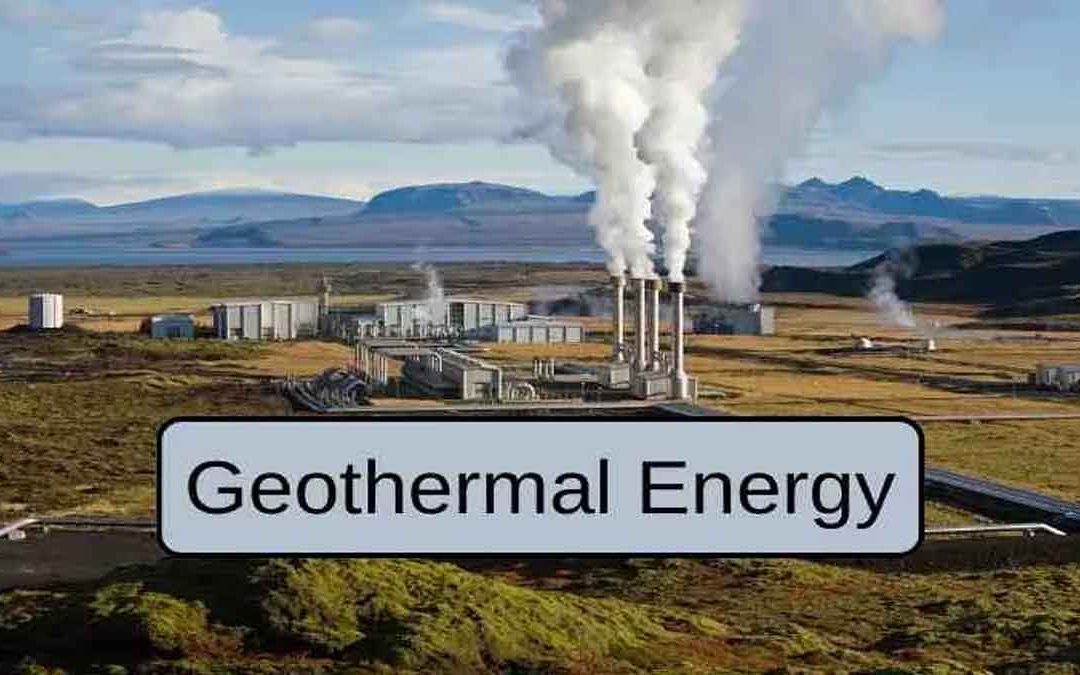
 In geothermal energy reservoirs, heat is created within the mantle or crust through the decay of radioactive isotopes (Fig.1). Within a sedimentary basin, this heat is transferred to the surface through the conduction and convection of fluids. Current geothermal...
 The diversified geology of various regions and stratigraphic levels within the sedimentary basin have given rise to a wide variety of minerals, more than 50 different kinds other than oil, gas, and coal, that have an existing or potential resource value. Organic...
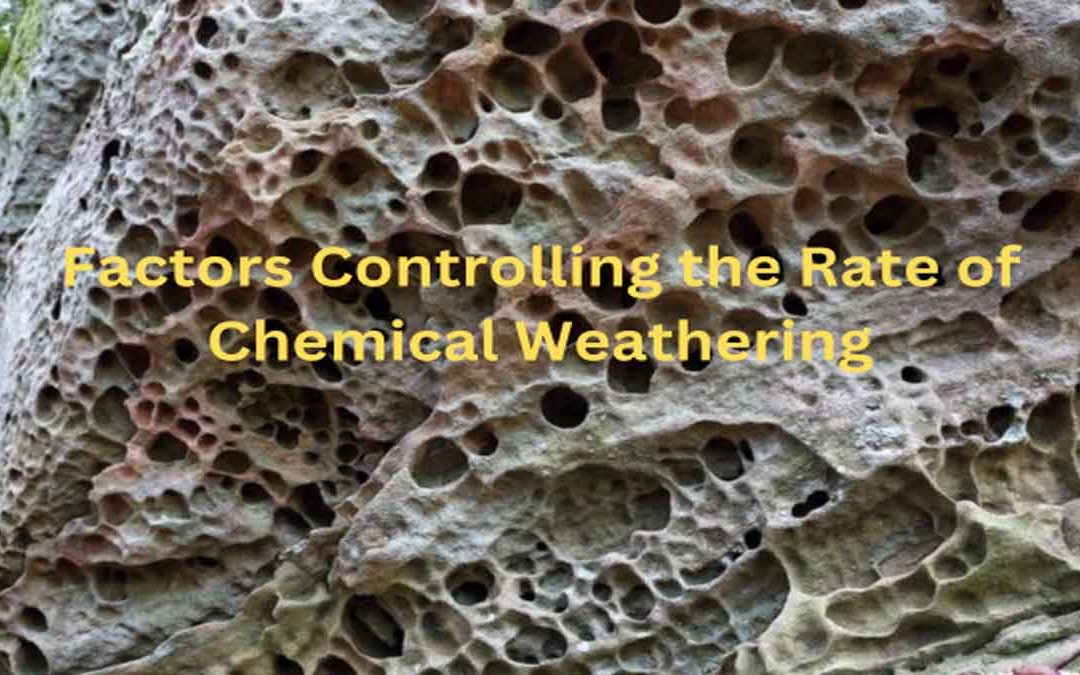 The rate of chemical weathering isn’t the same everywhere—it depends on factors like climate, rock type, water flow, and biological activity. Warmer, wetter conditions speed up reactions, while fractures in rocks allow water to seep in and break them down over time....
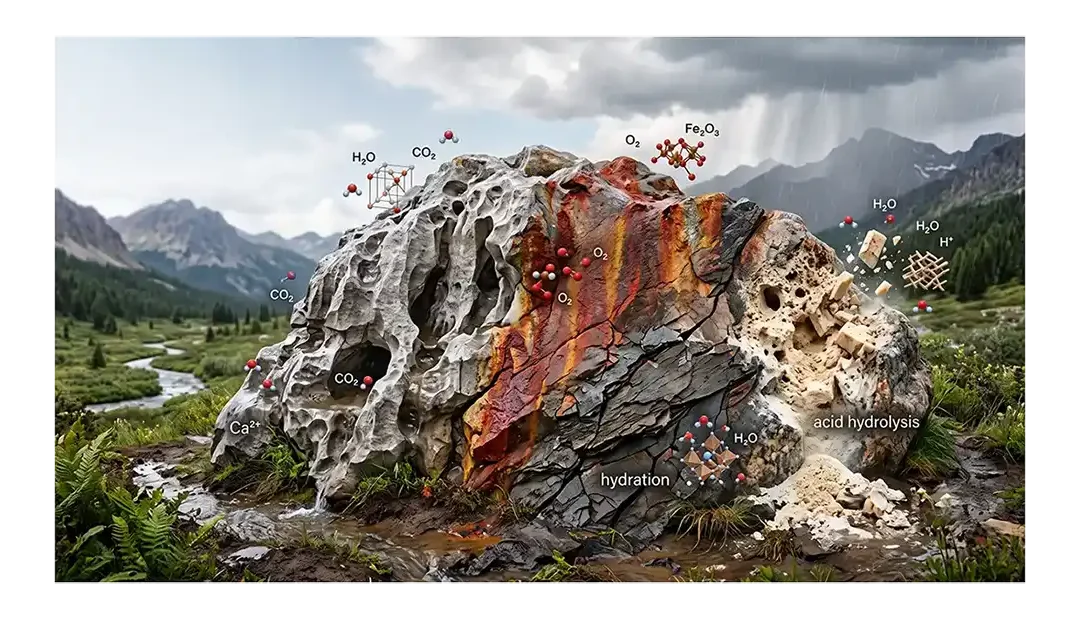 Chemical weathering is the fundamental geological process by which rocks and minerals undergo chemical breakdown, lattice alteration, and transformation into entirely new mineral products. While mechanical weathering physically fractures rock into smaller fragments...
 Sedimentary basins are morphotectonic depressions on Earth’s crust, which accumulate a considerable amount of sediments over geological time. Sedimentary basins are the repositories of a great volume of economic deposits, including hydrocarbons, coals, groundwater,...
