 In a geographic information system (GIS), analysts transform geographic data into geographic information by applying a complex series of functions and processes. Geographers begin with raw positional feature data that include attributes. They then overlay these data...
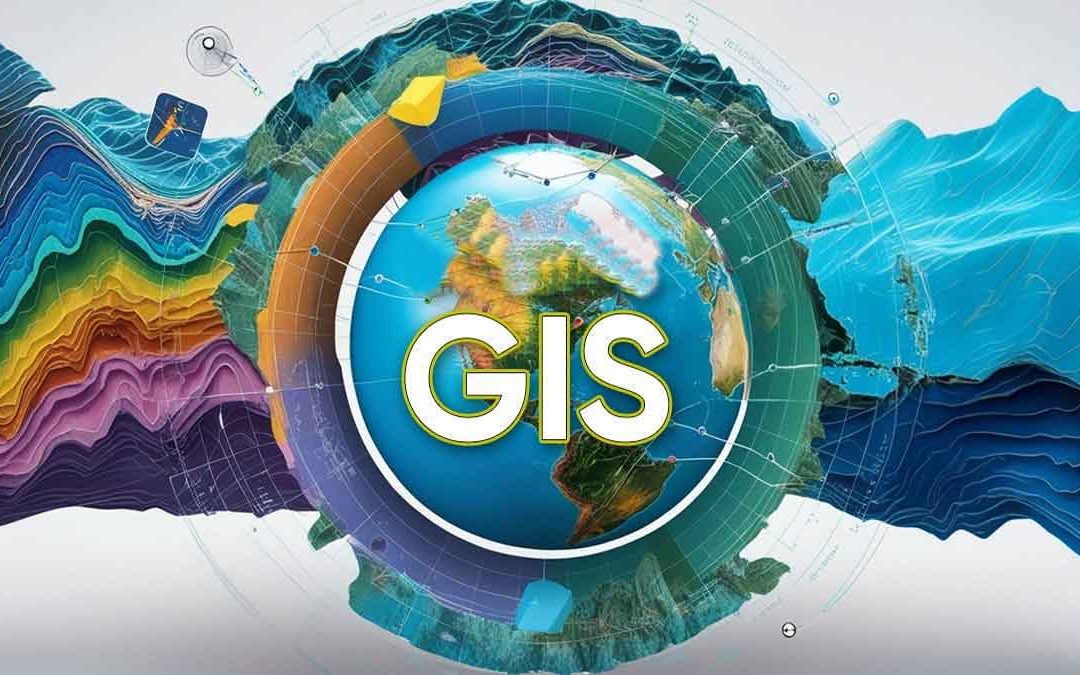 What is a Geographic Information System (GIS)? A Geographic Information System (GIS) captures, stores, manipulates, analyzes, manages, and presents spatial or geographic data. This system integrates, stores, edits, analyzes, shares, and displays geographic...
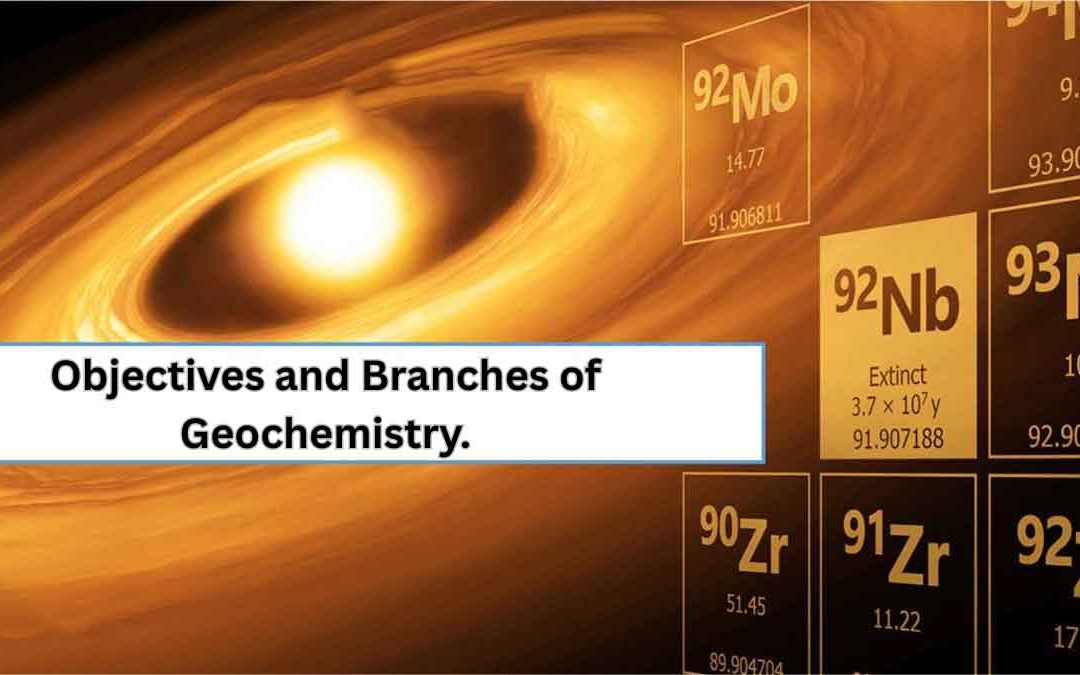 Geochemistry: Geochemistry is a science that uses the tools and principles of chemistry to explain the mechanisms behind major geological systems, such as the Earth’s crust and its oceans. It extends beyond the Earth, encompassing the entire Solar System. Victor...
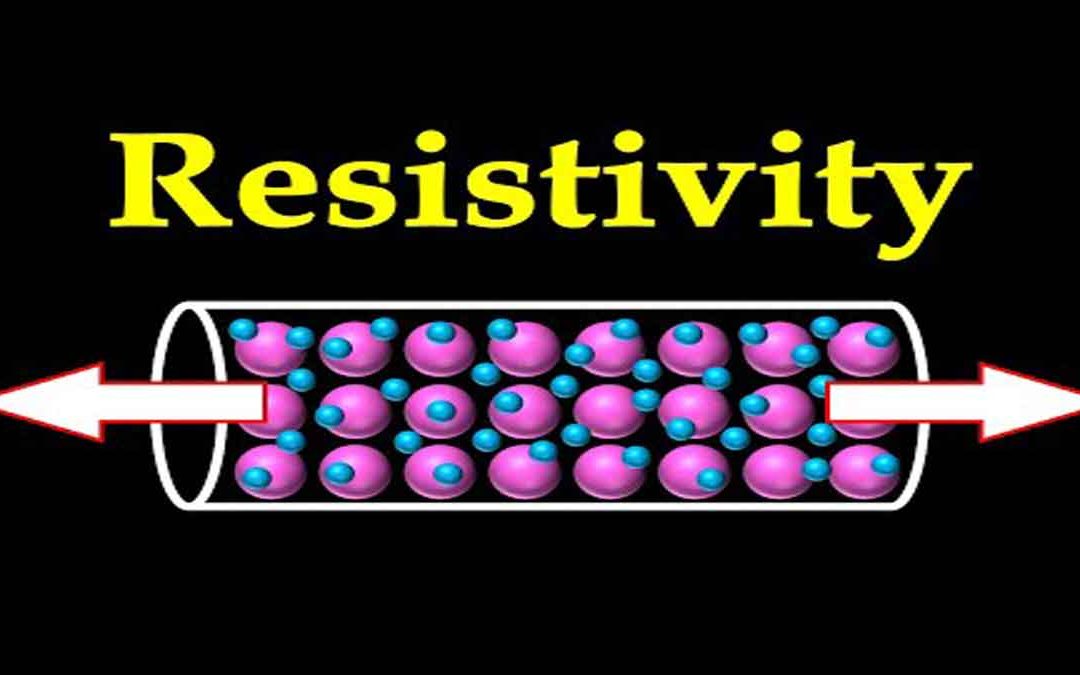 Resistivity: This is a fundamental physical property of metal in a wire. Though related to resistance, it is not the same. Resistance (R) depends on length, area, and the material’s properties, which are collectively described by this term.R = ρL/A, where:R =...
 Geothermal energy, a renewable energy source, comes from the Earth’s internal heat and results from geological processes like subsidence in sedimentary basins. As sedimentary layers bury, temperature and time increase, driving the thermal maturation of organic...
