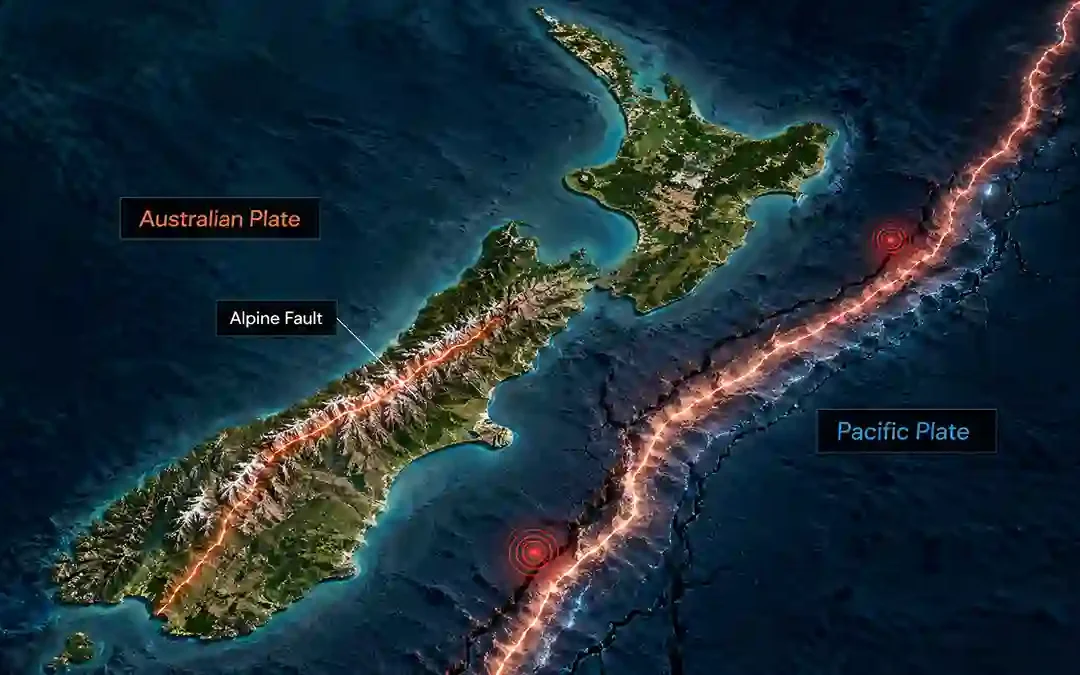
 New Zealand doesn’t just experience earthquakes — it sits directly on a visible plate boundary, where two massive tectonic plates meet. What makes it different is how clearly this boundary is expressed across the country. You can almost trace earthquake activity from...
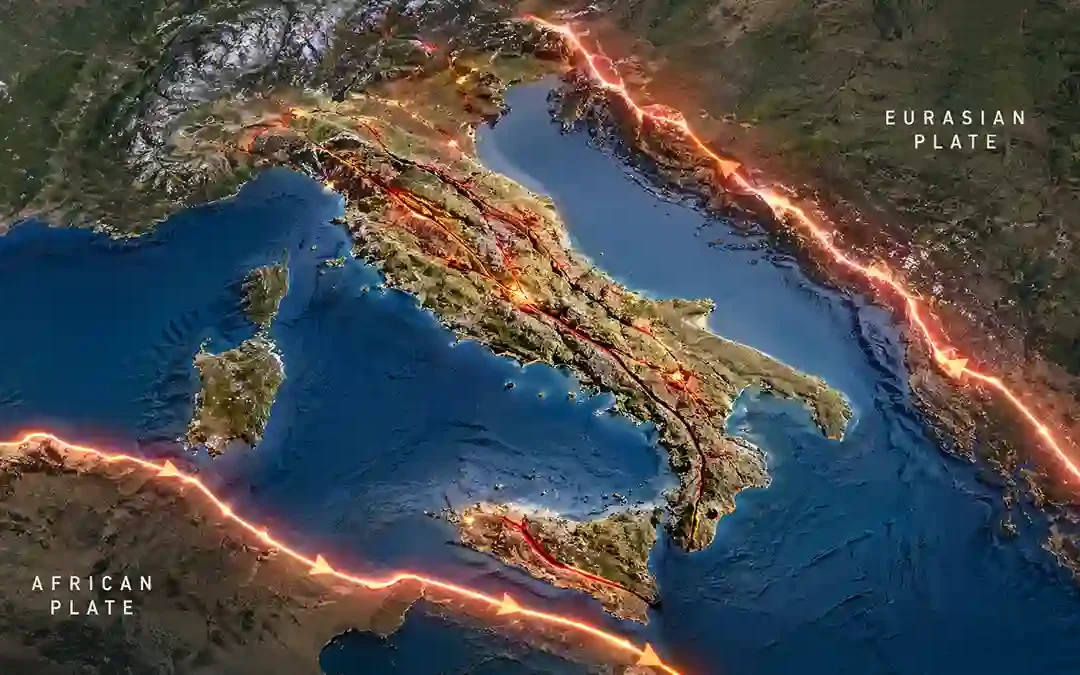 Italy’s earthquakes don’t come from a single massive fault or one dominant plate boundary. Instead, they come from a network of smaller, shifting blocks of crust — all adjusting under long-term tectonic pressure. That’s what makes Italy unique. Earthquakes here are...
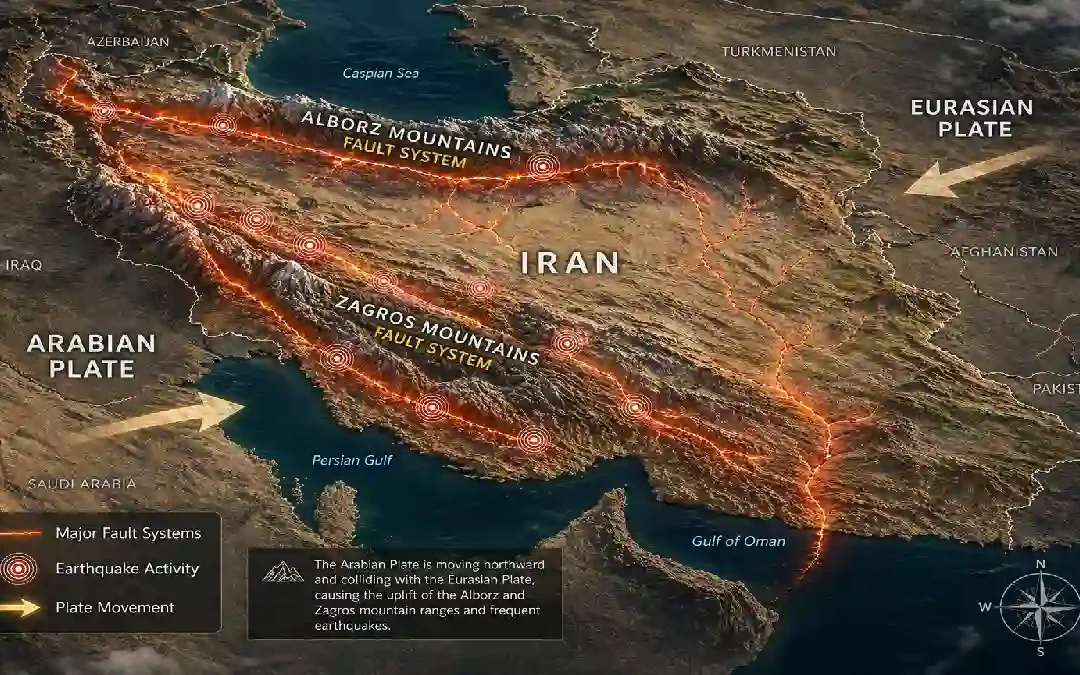 Iran isn’t just earthquake-prone — it sits in one of the most geologically stressed regions on Earth. The reason is simple but powerful: the country lies where multiple tectonic plates collide, pushing and compressing the land from different directions. This constant...
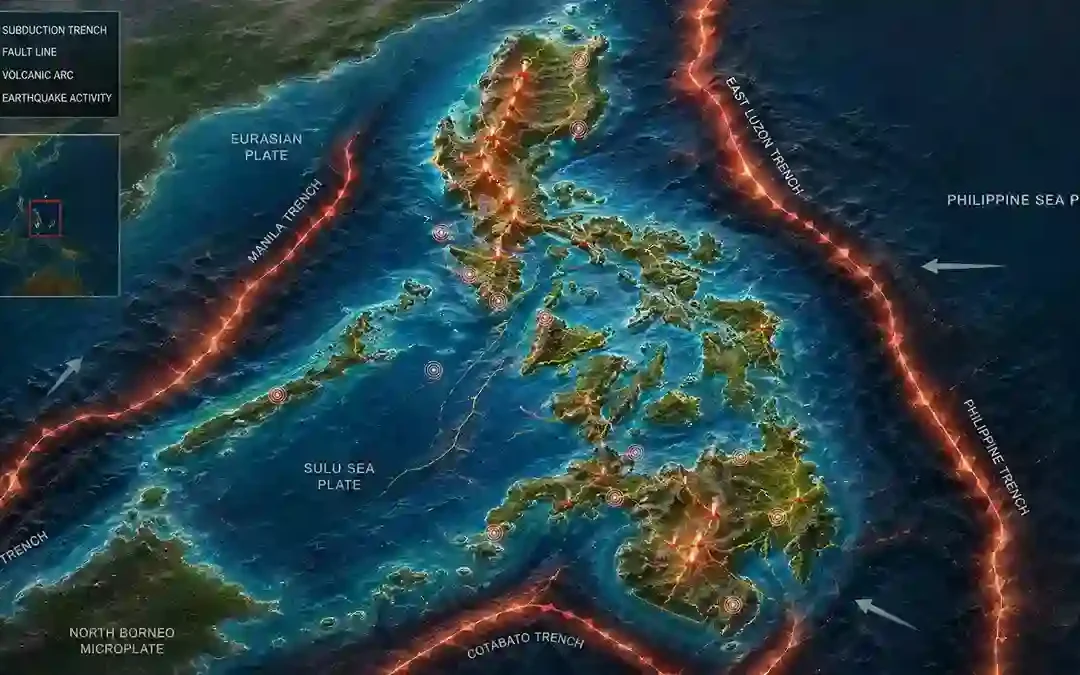 The Philippines doesn’t just have earthquakes — it has one of the most complex earthquake systems in the world. Unlike countries with a single dominant fault or plate boundary, the Philippines sits at the intersection of multiple tectonic systems. That’s why...
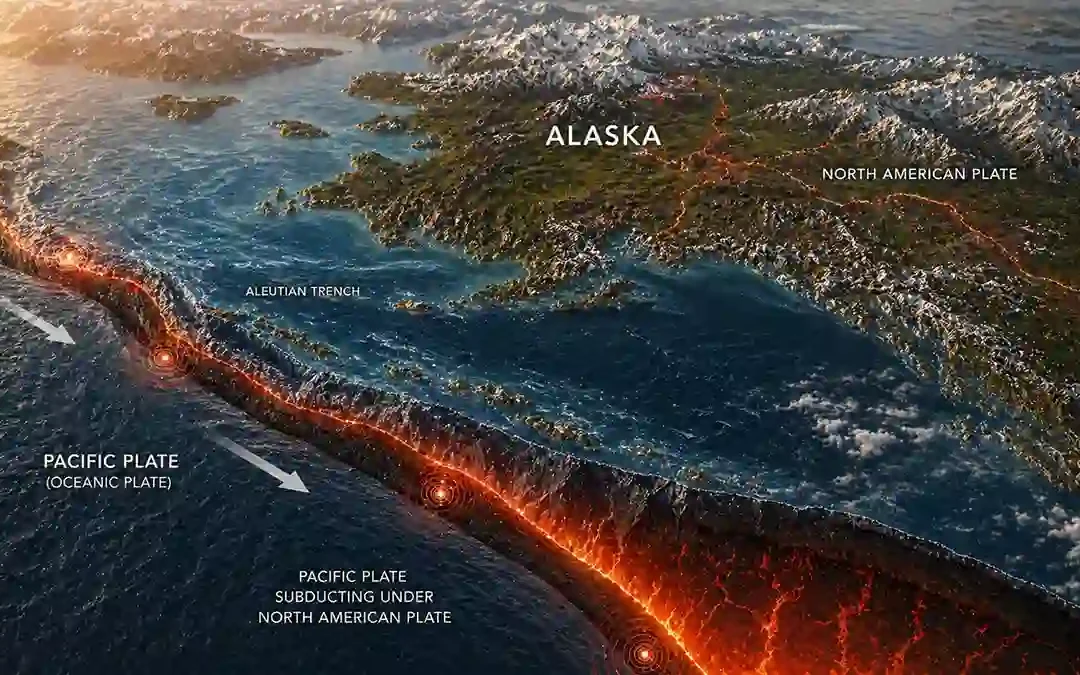 Alaska experiences more earthquakes than any other U.S. state — and not by a small margin. This isn’t random. The state sits directly on one of the most active tectonic boundaries in the world, where massive plates are constantly interacting beneath the surface....
