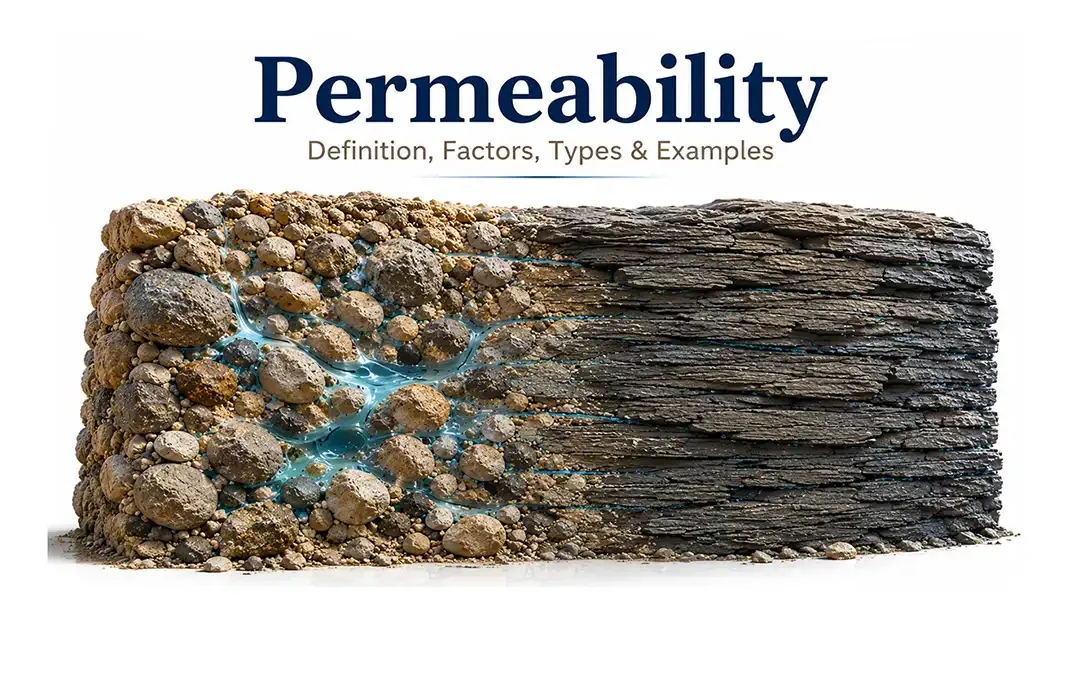
 Imagine pouring water onto two different surfaces. One is a layer of clean sand, where the water quickly disappears into the ground. The other is a layer of compact clay, where the water remains on the surface for much longer. The difference between these two...
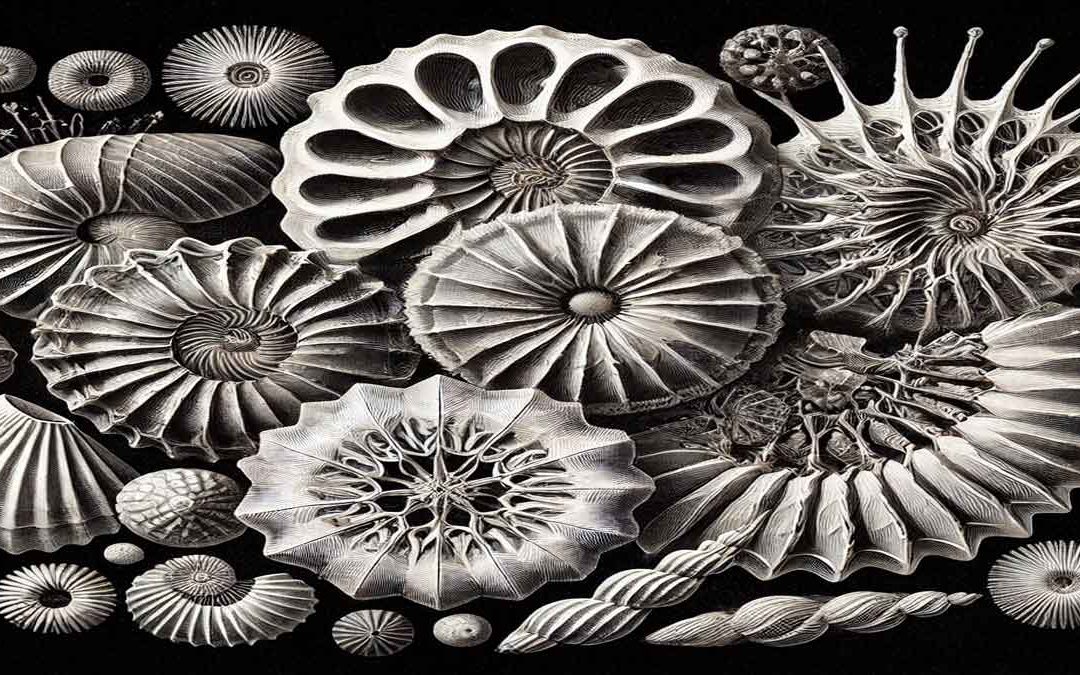 The Ecological Factors of Foraminifera: The ecological factors that control the distribution of foraminifera in marine environments are: Food: Foraminifera plays a prominent role in marine ecosystems as micro omnivores. They feed on- (a) Protozoa, (b) algae,...
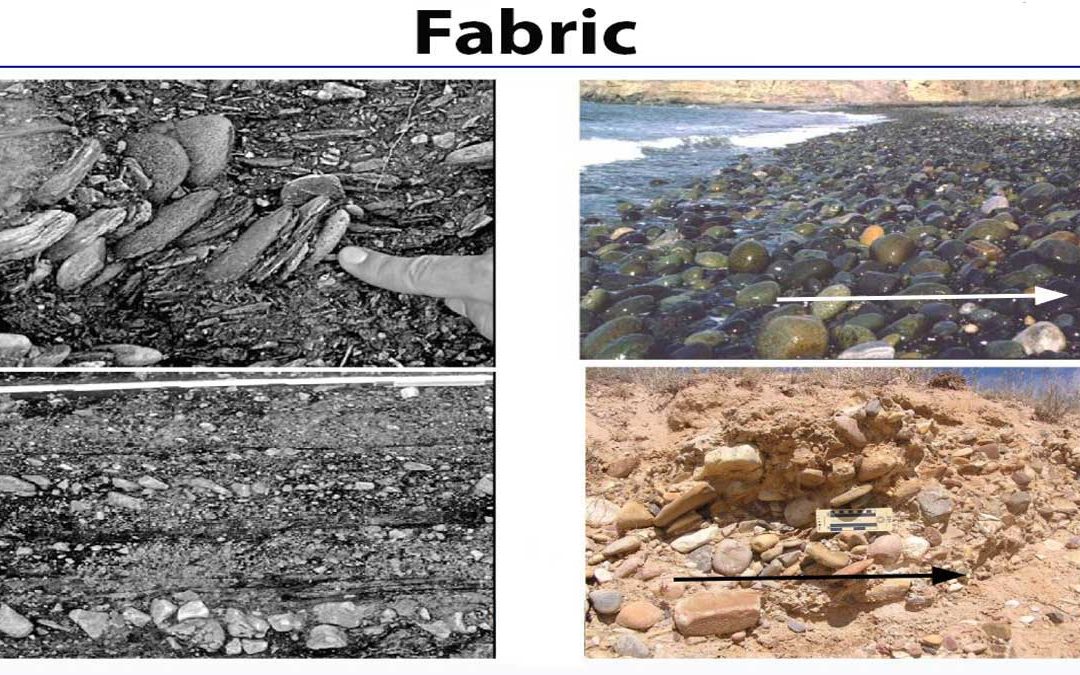 What is Fabric: Fabric means the orientation of grains. It is a property of grain aggregates. Any non-spherical object has an orientation. Features that are larger than single grains but smaller than sedimental structures. Types of Fabric: Generally, there are two...
 Sandstone is a type of sedimentary rock made up of tiny particles, usually the size of sand, which can be minerals, bits of other rocks, or even organic material. It typically features a binder that keeps these sand grains together and may also include finer particles...
 Runoff in hydrology refers to the amount of water that flows into surface streams. It encompasses not just the water that moves directly over the land and through channels to join a stream but also includes interflow—the water that seeps into the soil and, under the...