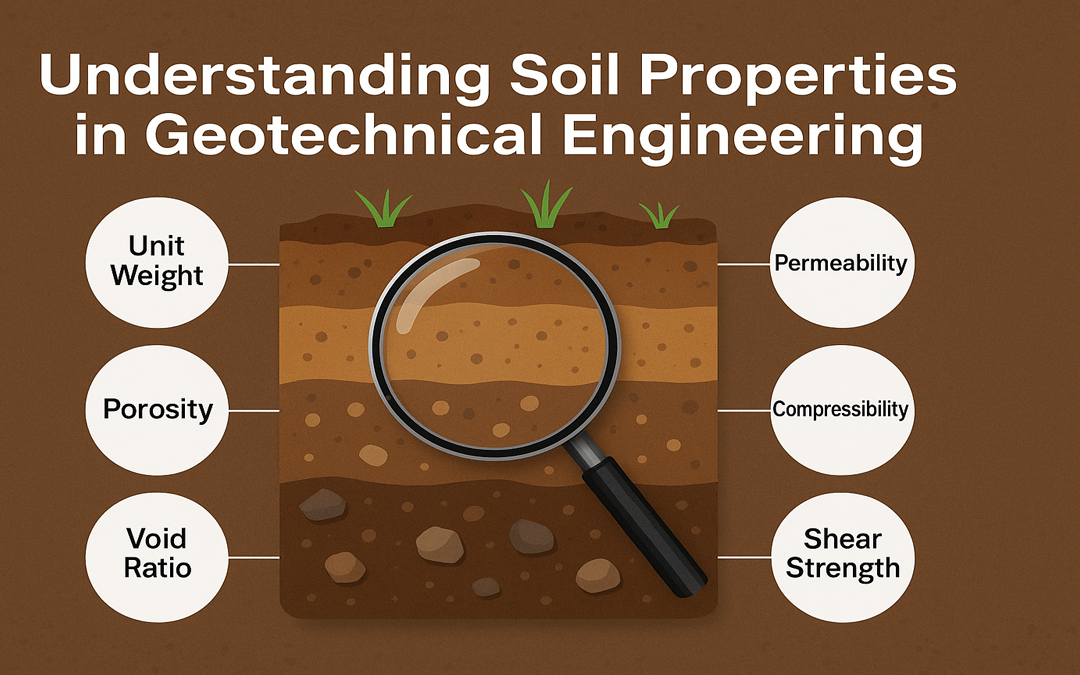
 Soil properties are fundamental characteristics that define how soil behaves under various conditions. In geotechnical engineering, understanding these properties is essential for analyzing ground stability, designing foundations, and ensuring safe construction...
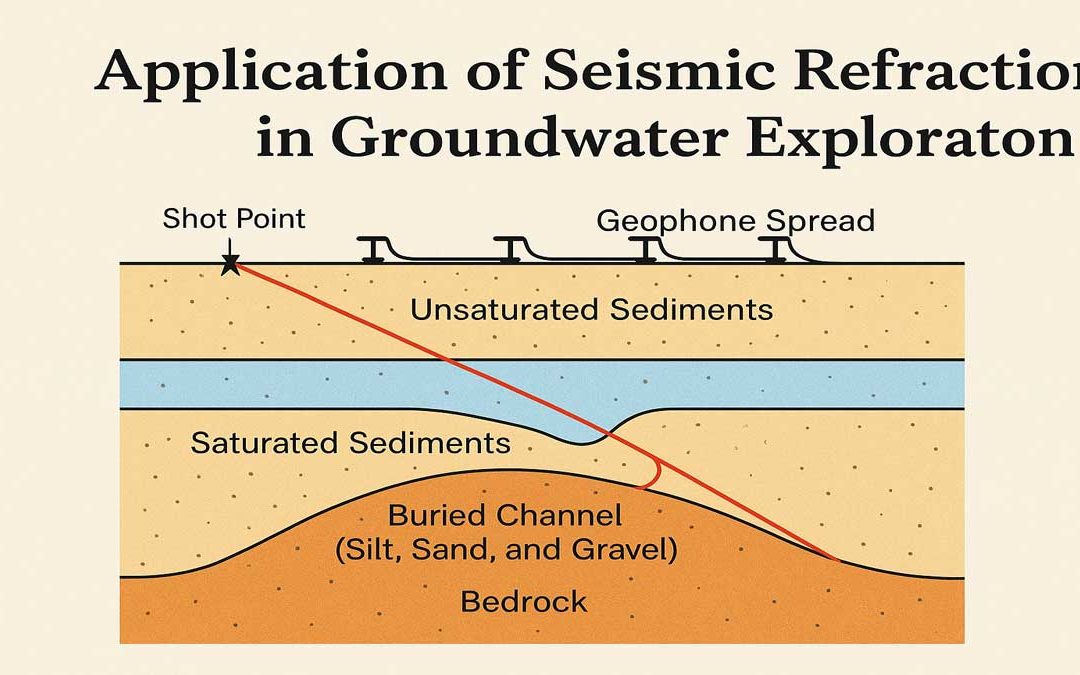 Application of Seismic Refraction Measurements in Groundwater: Mapping of Buried Channels using Seismic Refraction: The most common use of the seismic method in hydrogeology is the determination of the thickness of sediments overlying non-water-bearing consolidated...
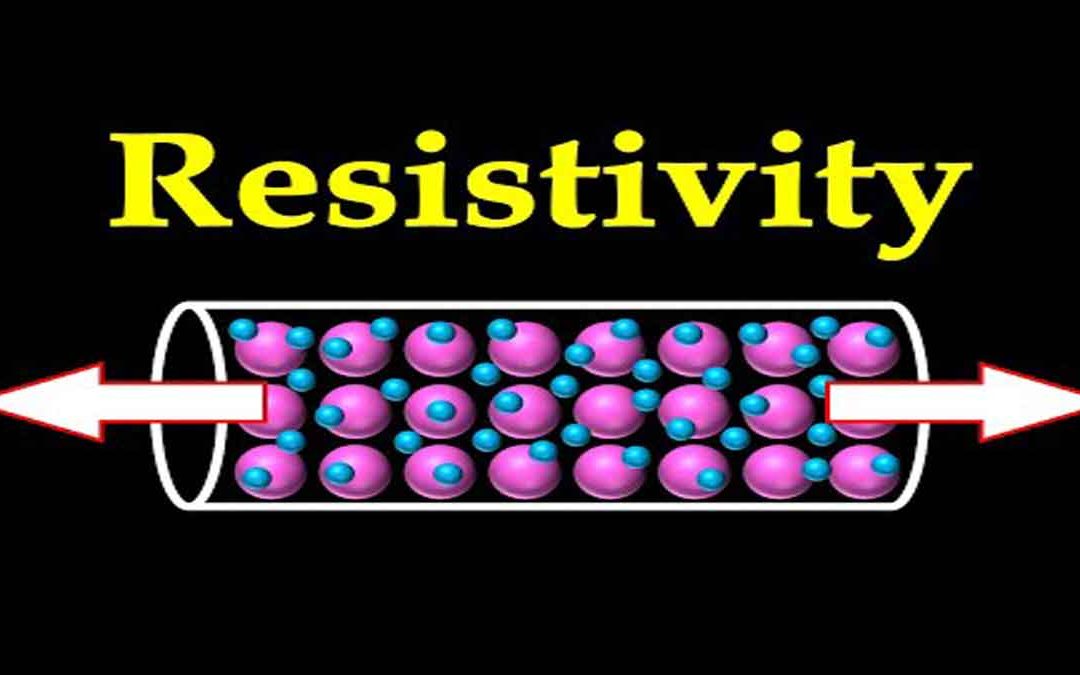 Resistivity: This is a fundamental physical property of metal in a wire. Though related to resistance, it is not the same. Resistance (R) depends on length, area, and the material’s properties, which are collectively described by this term.R = ρL/A, where:R =...
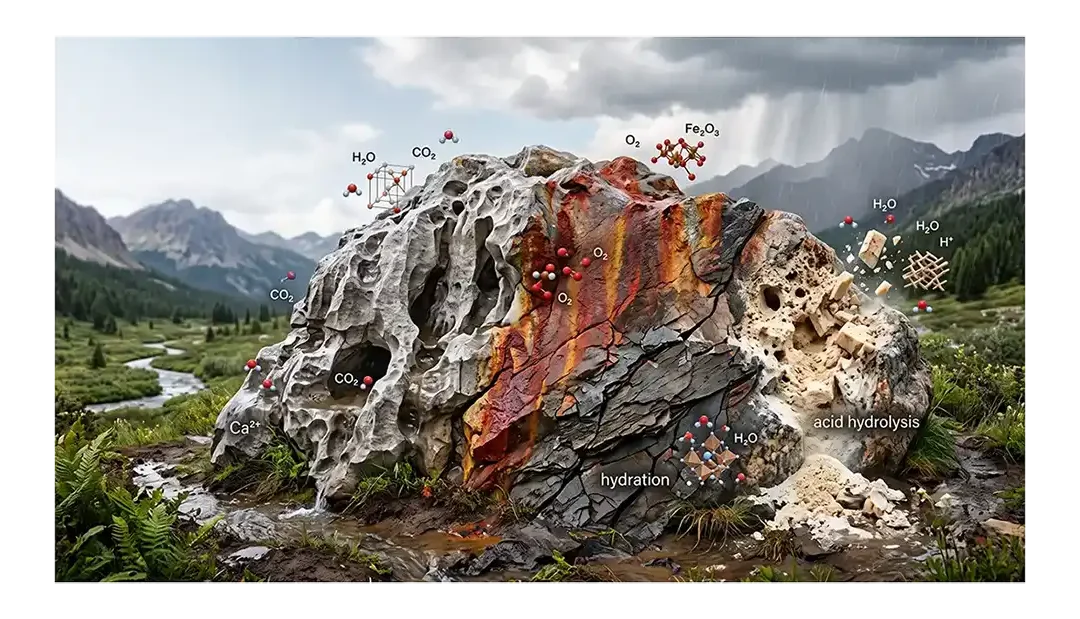 Chemical weathering is the fundamental geological process by which rocks and minerals undergo chemical breakdown, lattice alteration, and transformation into entirely new mineral products. While mechanical weathering physically fractures rock into smaller fragments...
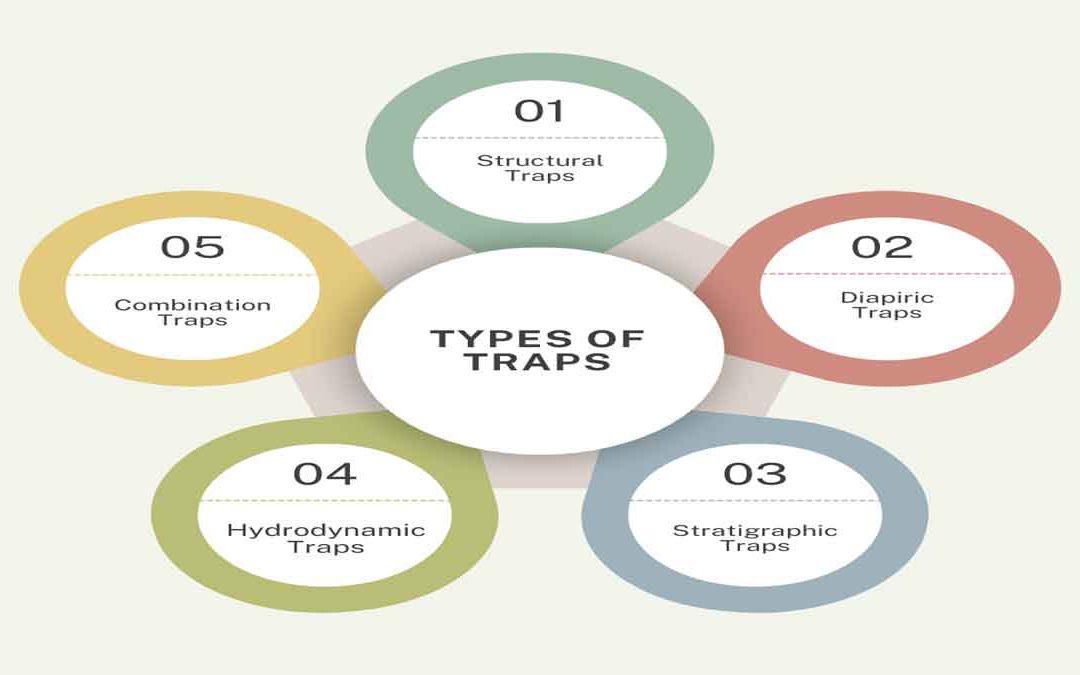 Types of traps are geological structures that retain hydrocarbons, preventing further movement. They include structural, diapiric, stratigraphic, hydrodynamic, and combination traps formed by rock deformation, sediment movement, or water flow. Understanding these...