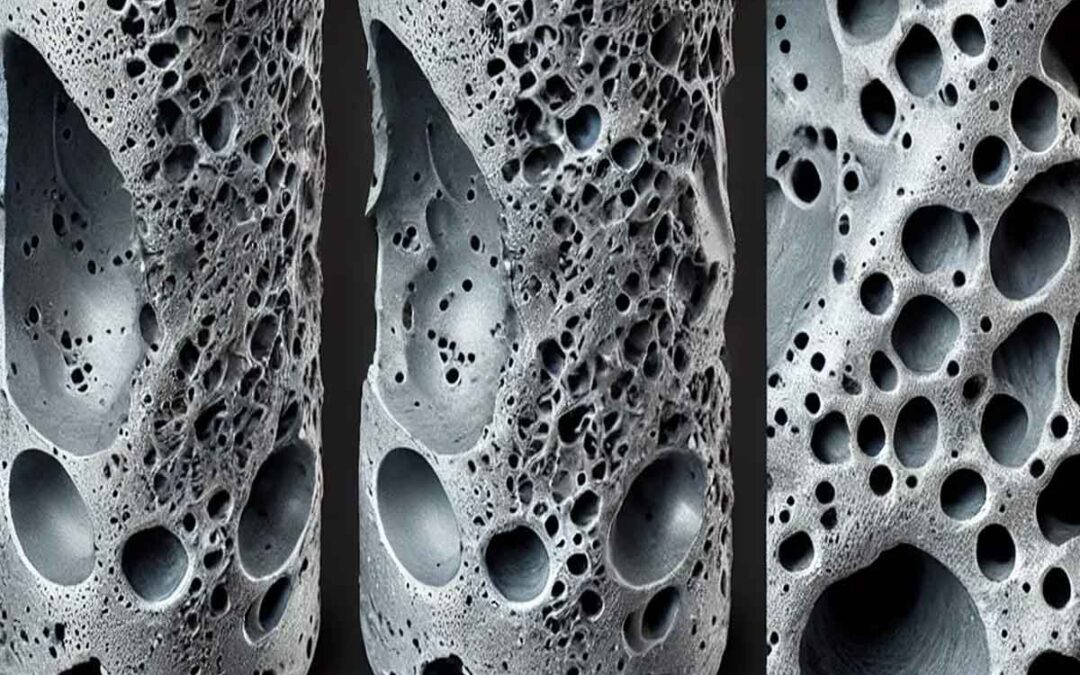
 Porosity is an important property of a material, describing the ratio of voids to the total volume. This property is important in many fields, including geology, materials science, environmental studies, and engineering. Understanding porosity is key to assessing how...
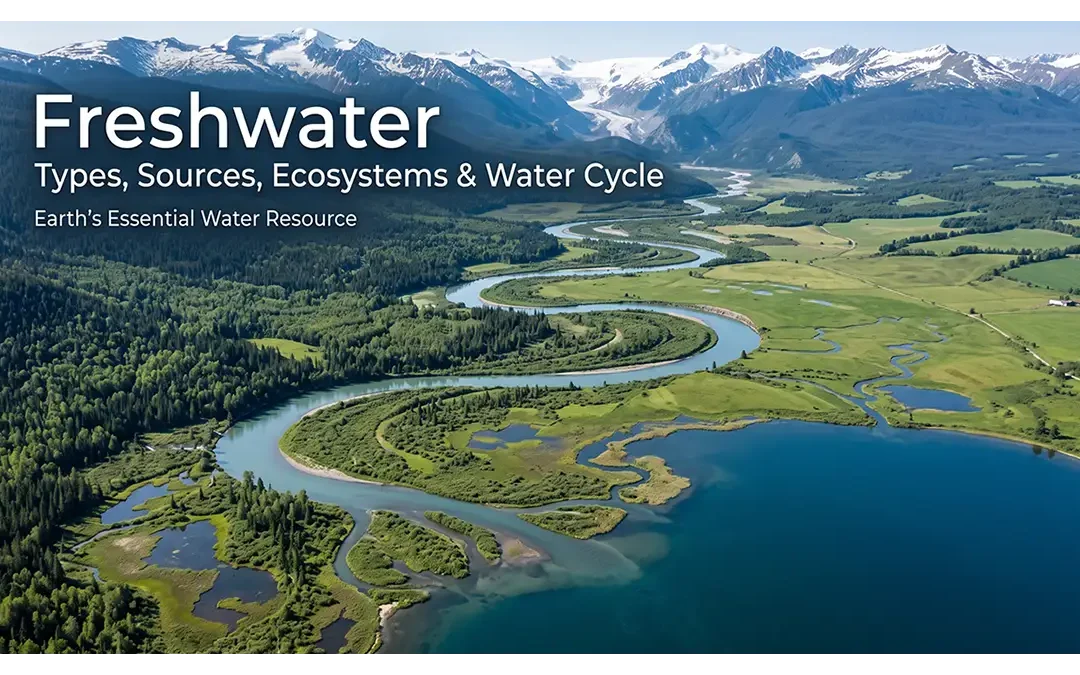 Freshwater is water with a very low concentration of dissolved salts compared with seawater. It occurs in glaciers, ice sheets, groundwater, rivers, lakes, wetlands, soil, and the atmosphere. Although freshwater covers only a small portion of Earth’s total...
 Aquifers are one of the most important parts of the groundwater system. They store and transmit groundwater through underground layers of permeable rock, sand, gravel, and other geological materials. People depend on groundwater stored in aquifers for drinking water,...
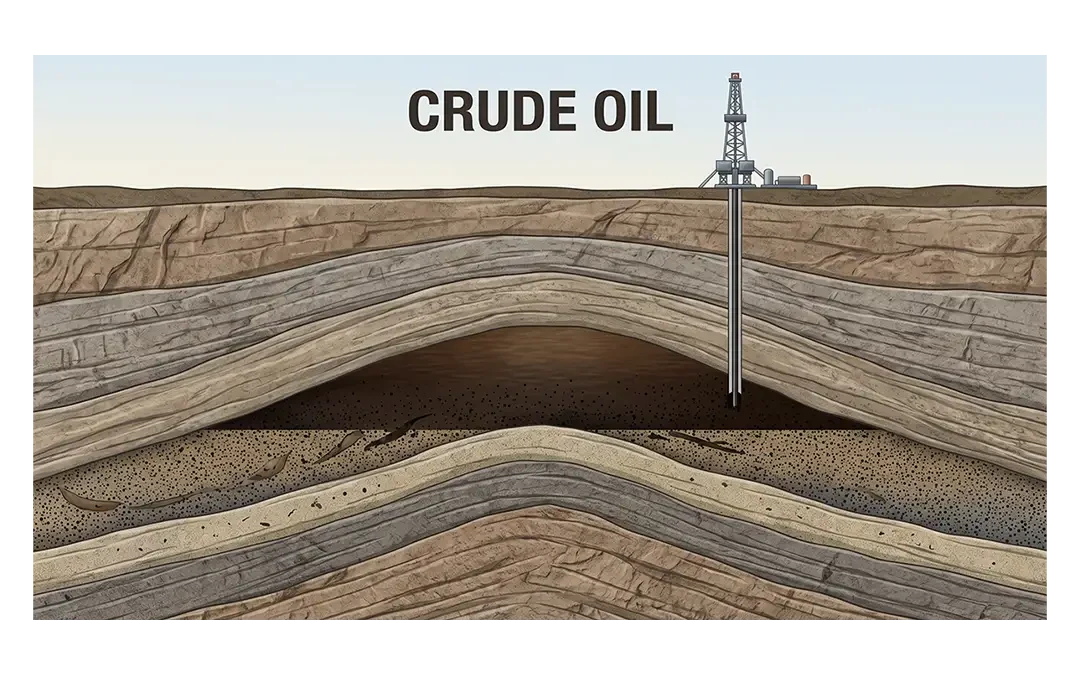 Crude oil is one of the most important natural resources on Earth. It is a naturally occurring liquid made mainly of hydrocarbons. It forms deep beneath Earth’s surface from ancient organic matter over millions of years. Today, crude oil provides raw materials...
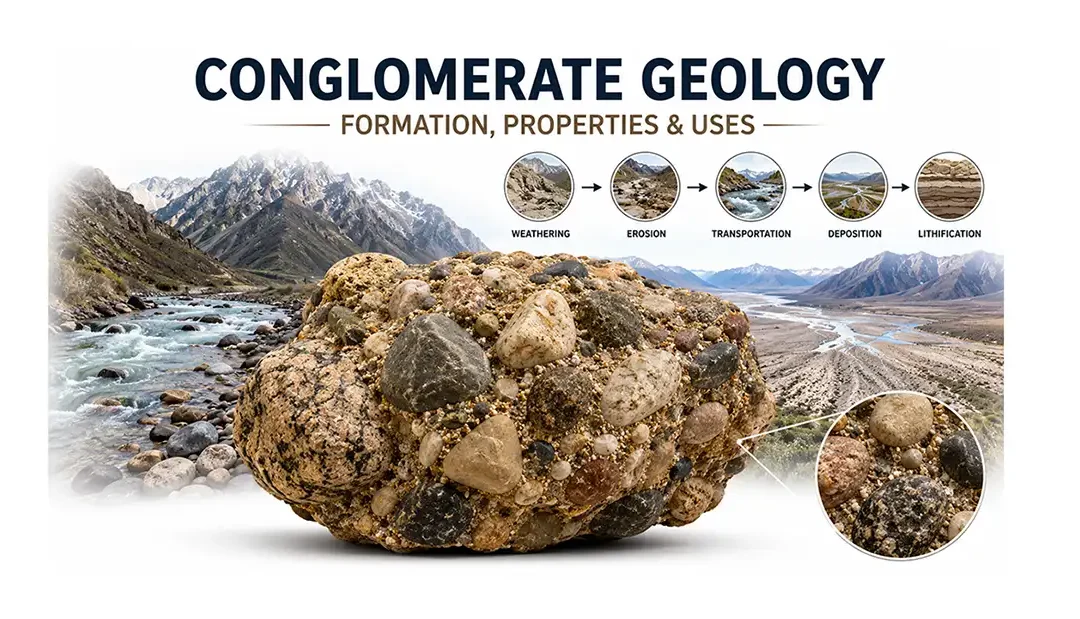 Among the many types of sedimentary rocks, conglomerate is one of the easiest to recognize because of its distinctive appearance. It consists of large, rounded rock fragments cemented together by finer sediments or mineral deposits, giving it a coarse and often...