 Petroleum is an essential fossil fuel composed of a natural mixture of hydrocarbons, including crude oil, natural gas, and asphalt. Its form can range from gas to solid, influenced by the complexity of its carbon structure. This resource is crucial for energy...
 Conglomerate is a sedimentary rock formed from rounded pebbles or clasts held together by a finer matrix. Its classification depends on pebble composition, sorting, and matrix abundance. Well-sorted conglomerates signify gradual deposition by water currents, while...
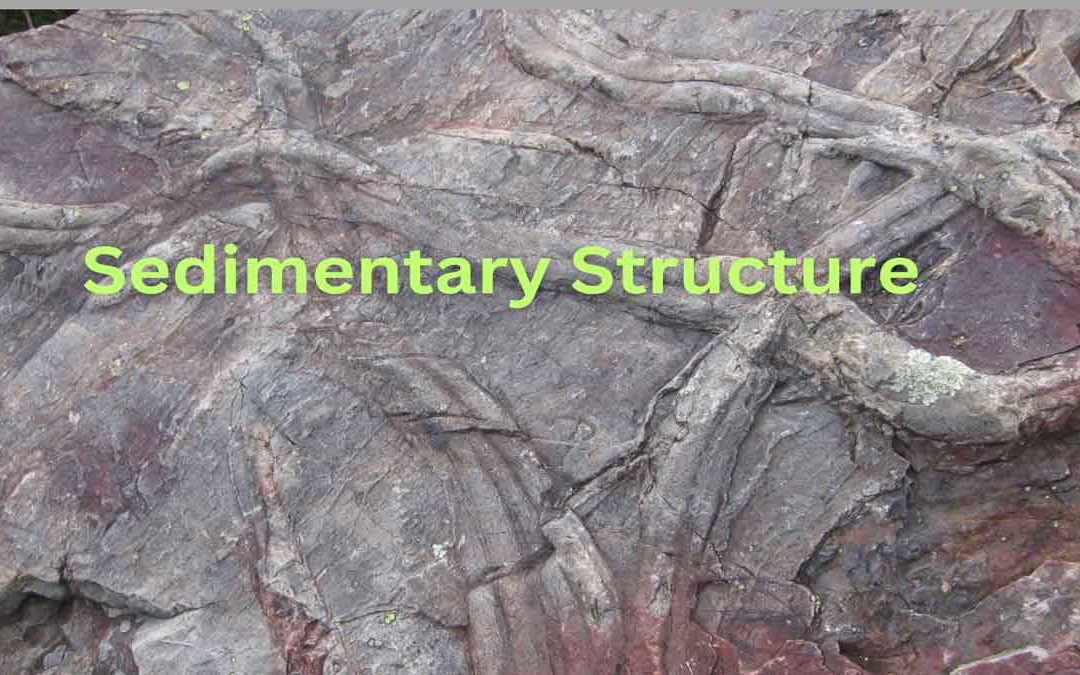 Sedimentary Structure: These are large-scale features or patterns of sediments that are produced as a result of the migration of bed forms. Classification of primary Sedimentary Structure: The most simple classification of sedimentary structure is: Primary structure:...
 The Cenozoic succession of Bangladesh has been differentiated into a number of biostratigraphic units, viz., assemblage zone based on first assemblage demarcation (FAD) line, last assemblage demarcation (LAD) line, acme, and ranges of various marker palynotaxa in the...
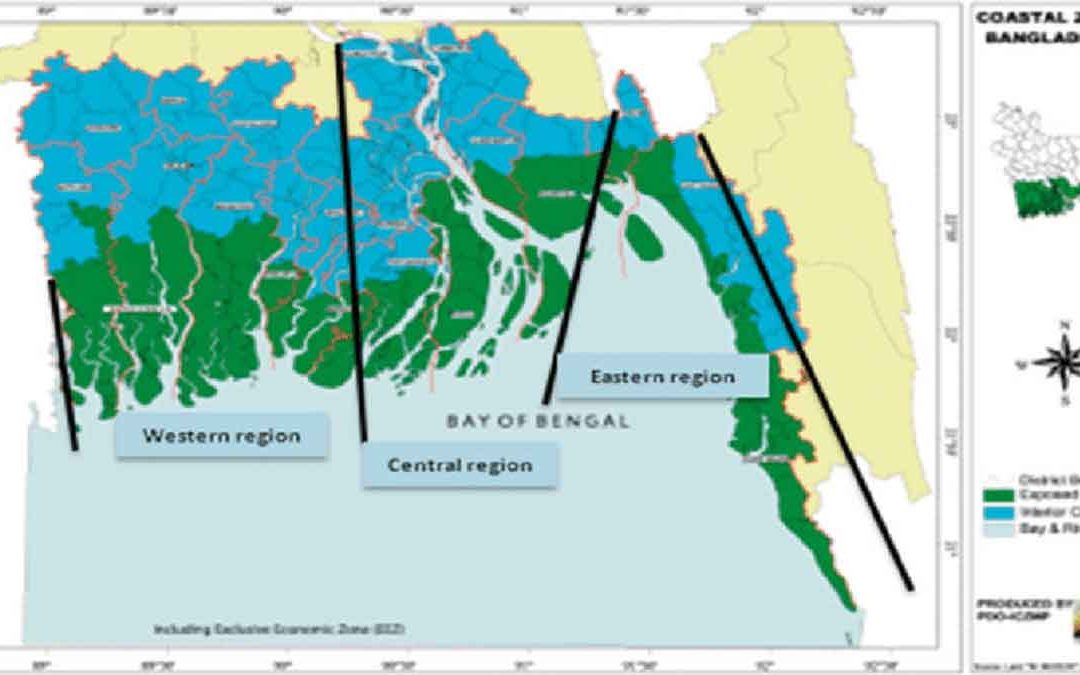 Depending on the geomorphological features, the coastal region of Bangladesh can broadly be divided into the following three regions: The Eastern Region: The eastern coastline of Bangladesh, from the big Feni River to Badar Mokam (the southern tip of the mainland)...
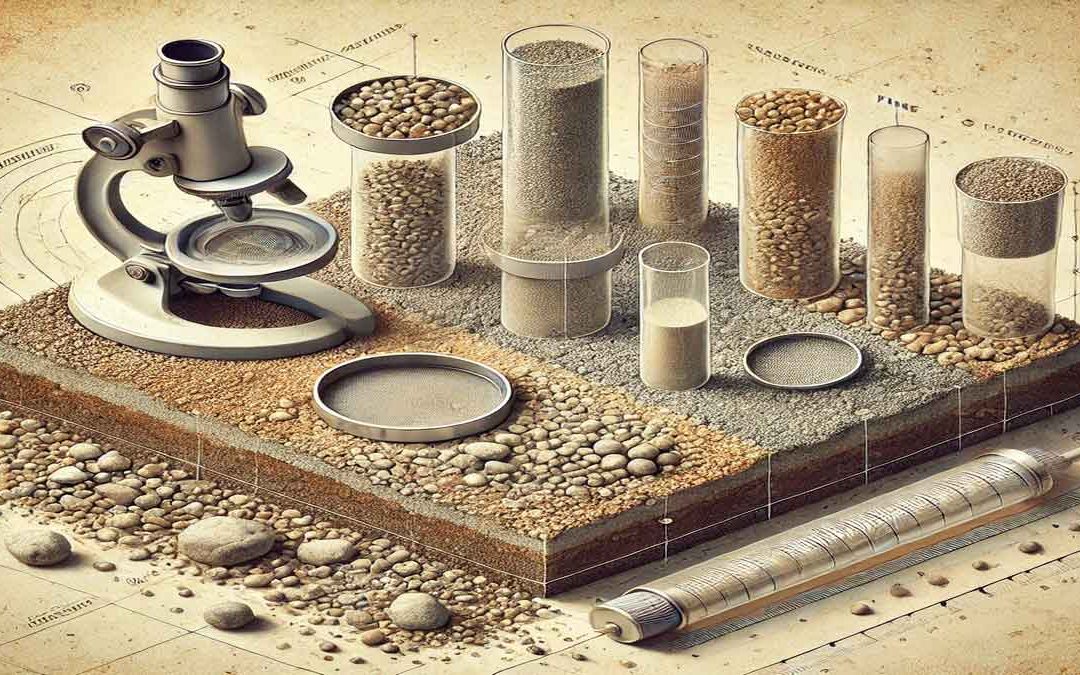 Grain size classifies sedimentary particles from coarse gravel to fine clay using scales like Udden’s and Atterberg’s. Analysis methods include direct measurement, sieving, microscopy, and settling tubes, based on particle size. Understanding grain size helps in...
