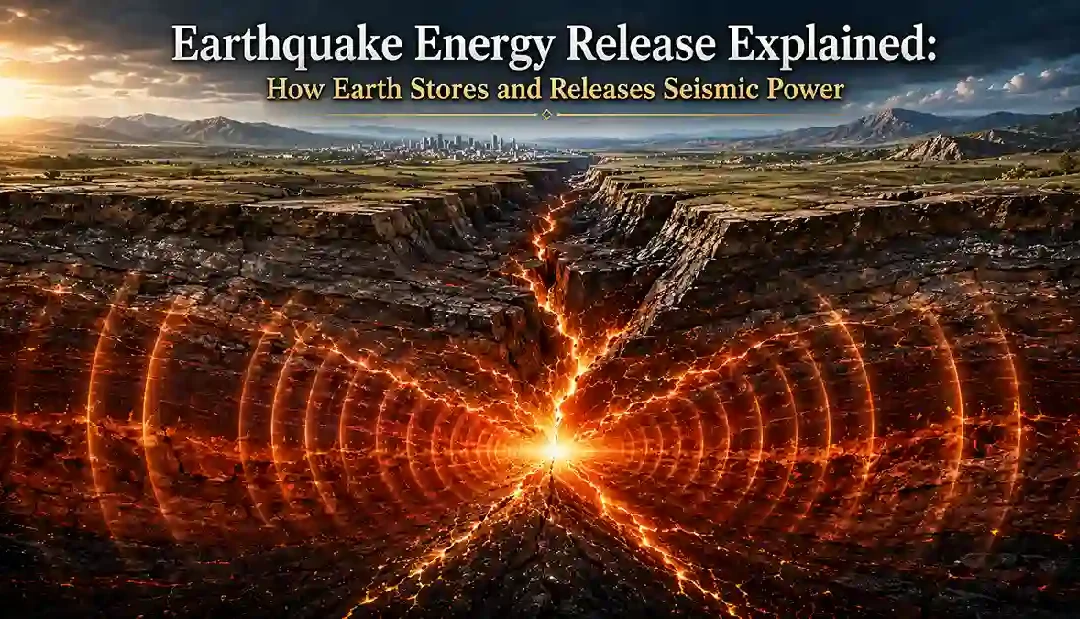
 Earthquakes are giant releases of stored energy deep underground. For years — sometimes centuries — tectonic plates slowly push, pull, or grind against each other. During this time: rocks bend faults lock stress builds underground Eventually, the rocks can no longer...
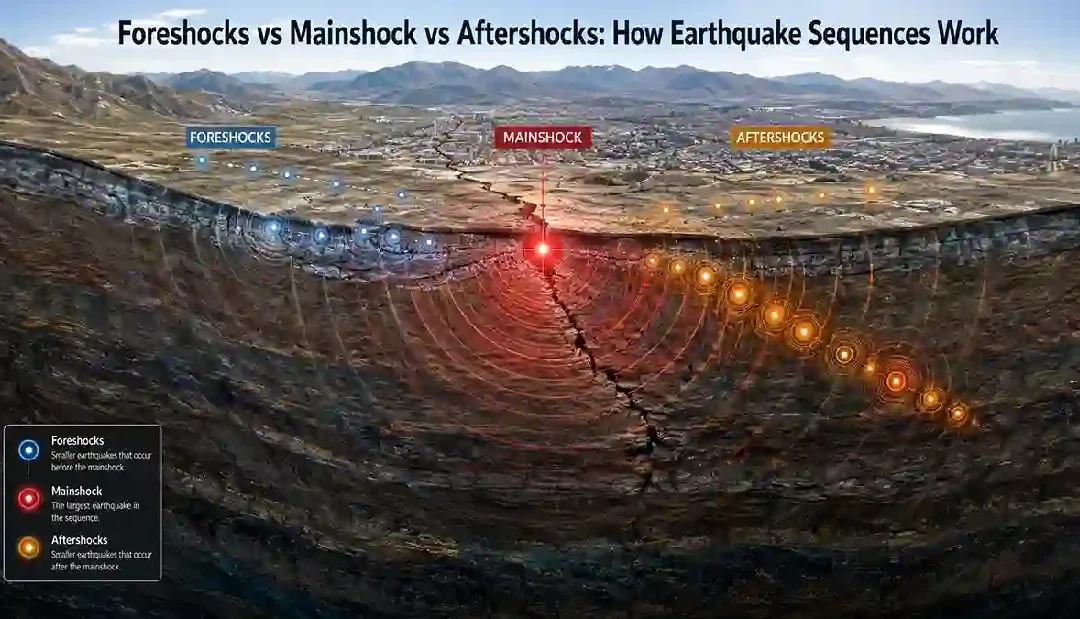 Many earthquakes do not happen alone. Instead, they occur as part of a sequence involving: smaller earthquakes before the main event one major earthquake continued shaking afterward These stages are called foreshocks, mainshock, and aftershocks. Understanding these...
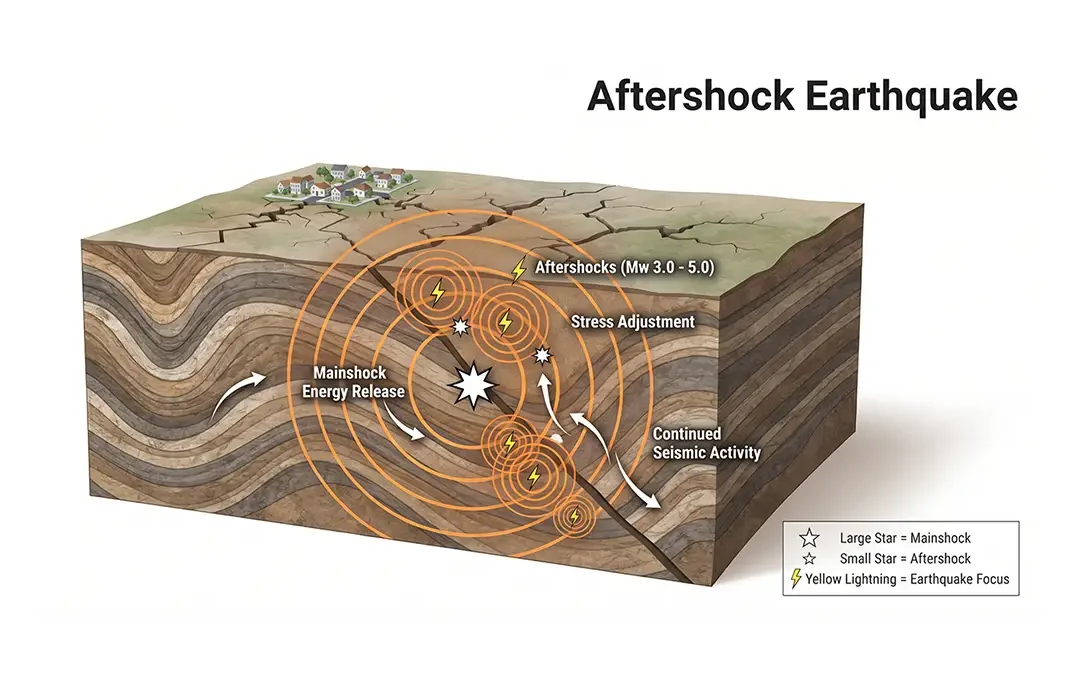 When a major earthquake strikes, the sudden violent shaking can shatter buildings, split roads, and disrupt communities in seconds. Yet for the survivors of a seismic disaster, the initial rupture is rarely the end of the ordeal. In the minutes, days, and months...
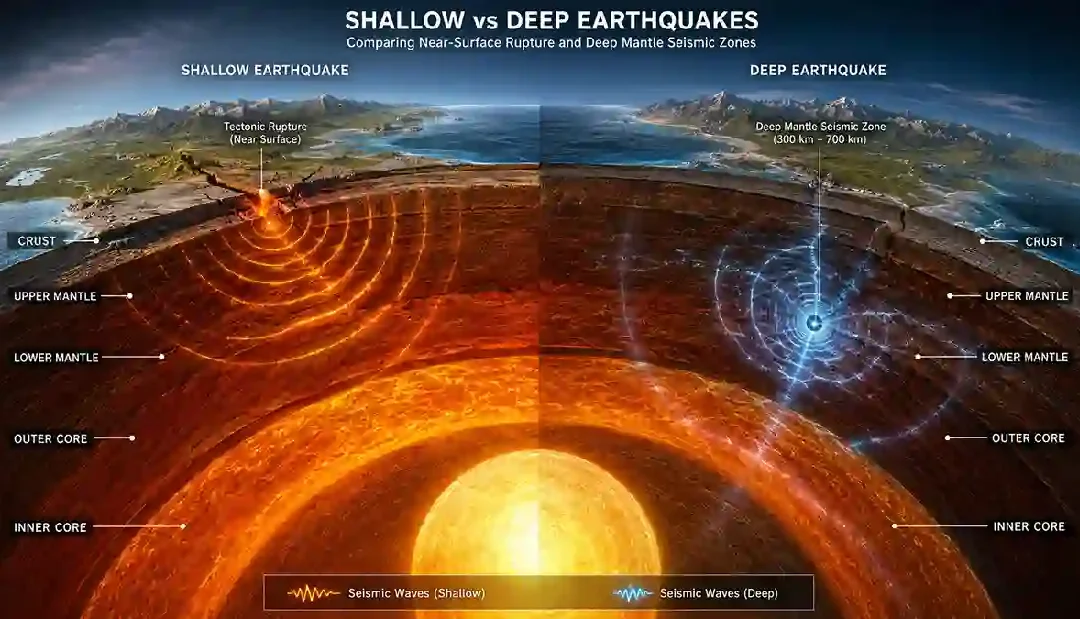 Not all earthquakes happen at the same depth underground. Some occur very close to Earth’s surface, while others happen hundreds of kilometers deep inside the planet. This difference strongly affects: shaking intensity damage potential how far the earthquake can be...
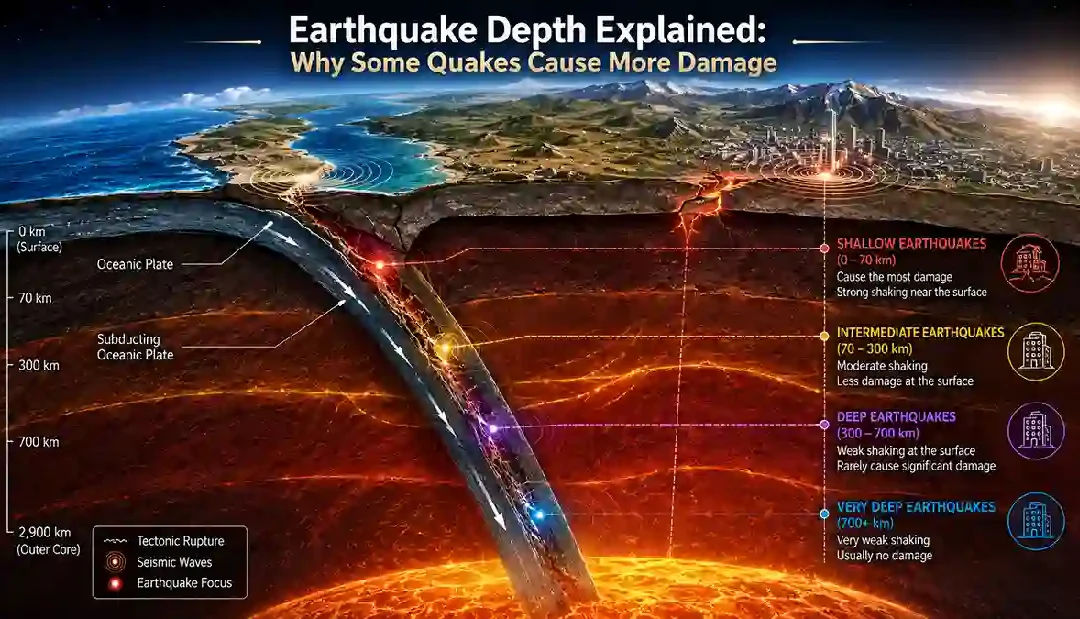 Not all earthquakes happen near Earth’s surface. Some occur only a few kilometers underground, while others happen hundreds of kilometers deep inside Earth. This underground location is called earthquake depth. Depth plays a major role in: shaking intensity damage...
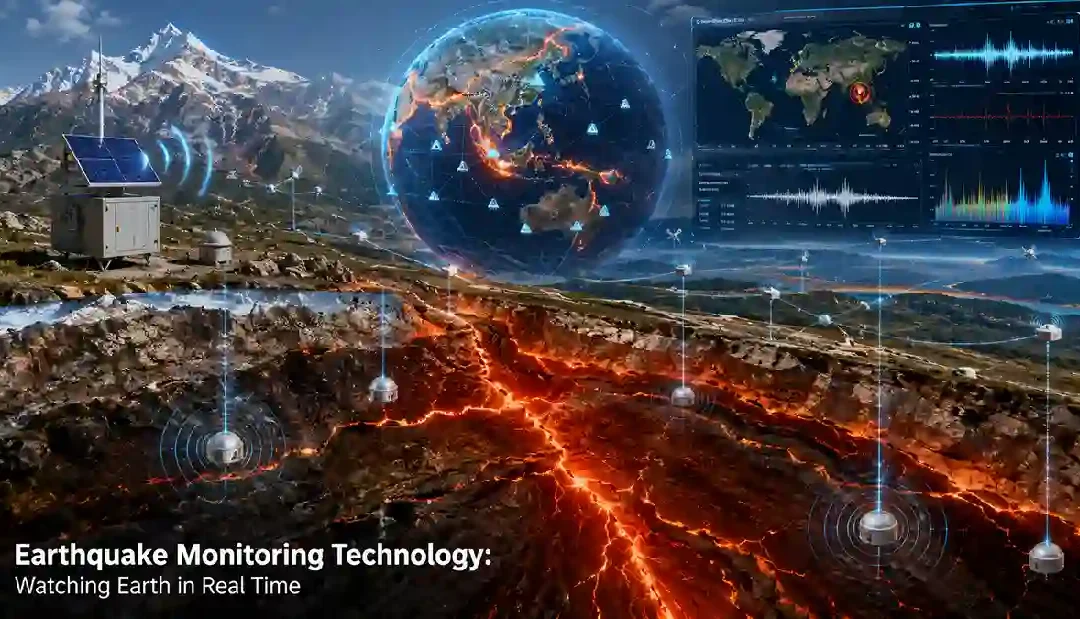 Earth’s crust is constantly moving. Most of these movements are too small for humans to feel — but modern technology can detect even tiny vibrations underground. That’s the role of earthquake monitoring technology. Today, scientists use global sensor networks,...