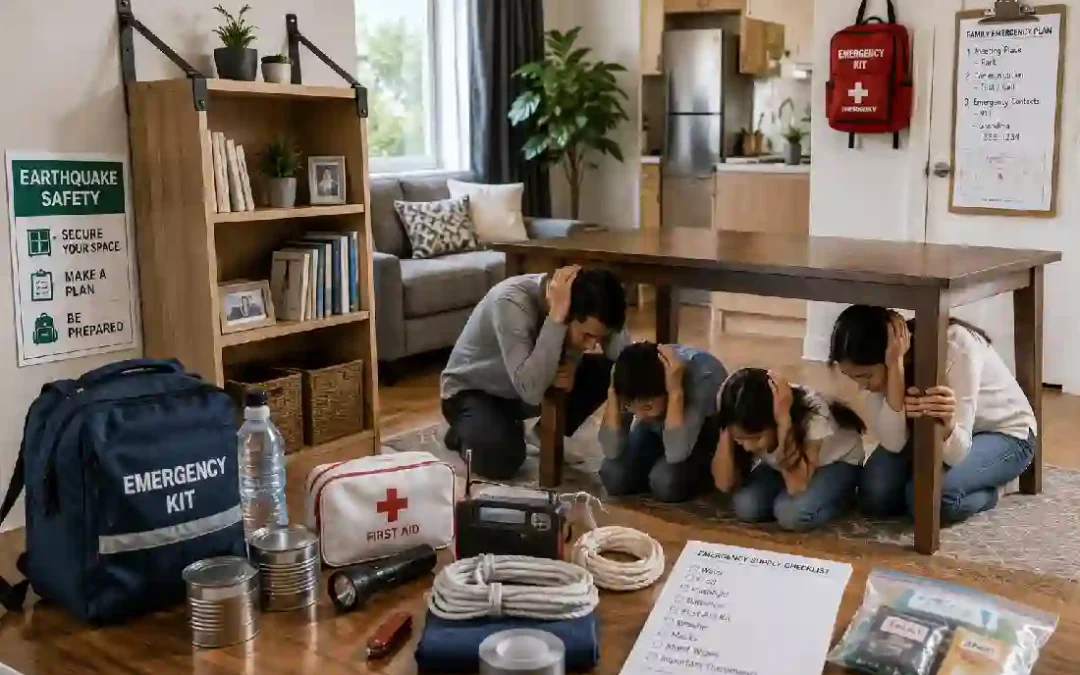
 During an earthquake, many injuries happen inside homes. Falling objects, broken glass, collapsing shelves, and blocked exits can quickly turn ordinary rooms into dangerous spaces. The good news is that simple home safety improvements can greatly reduce earthquake...
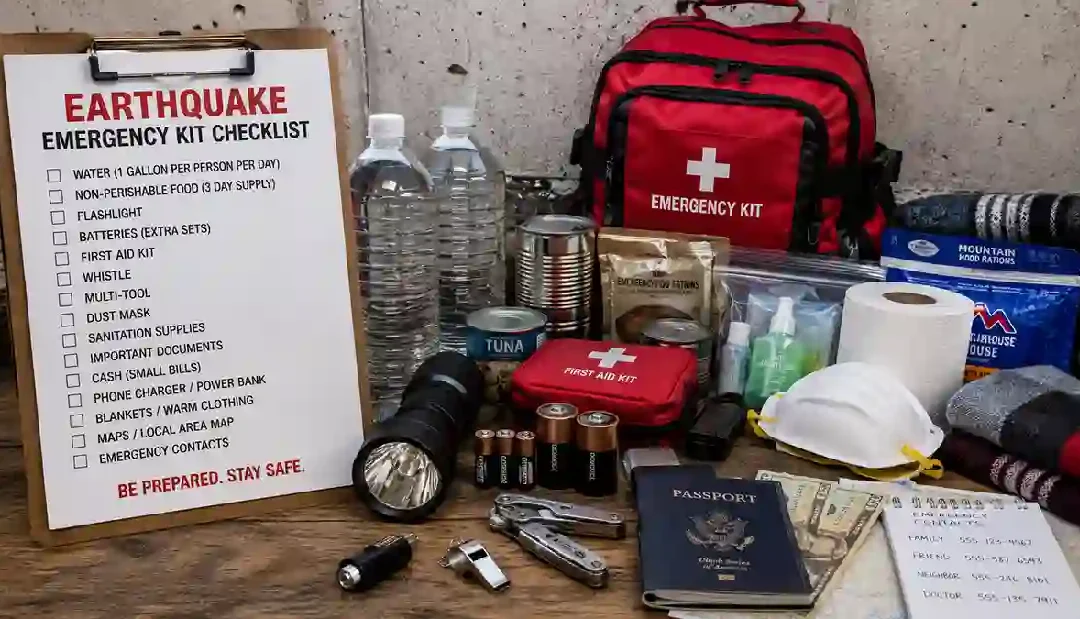 Earthquakes can disrupt daily life within seconds. After a major earthquake, people may face: power outages damaged roads communication failures limited access to food and water emergency service delays That’s why having an earthquake emergency kit is extremely...
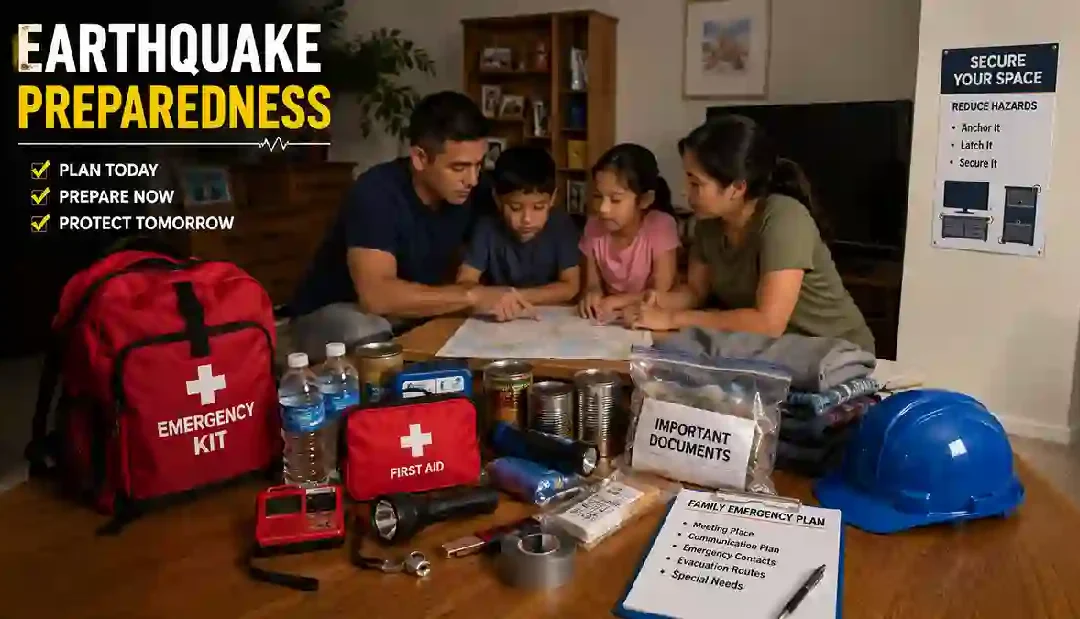 Earthquakes happen suddenly and often without warning. That’s why preparation matters so much. A well-prepared home and emergency plan can: reduce injuries improve survival protect families speed up recovery after a disaster Earthquake preparedness is especially...
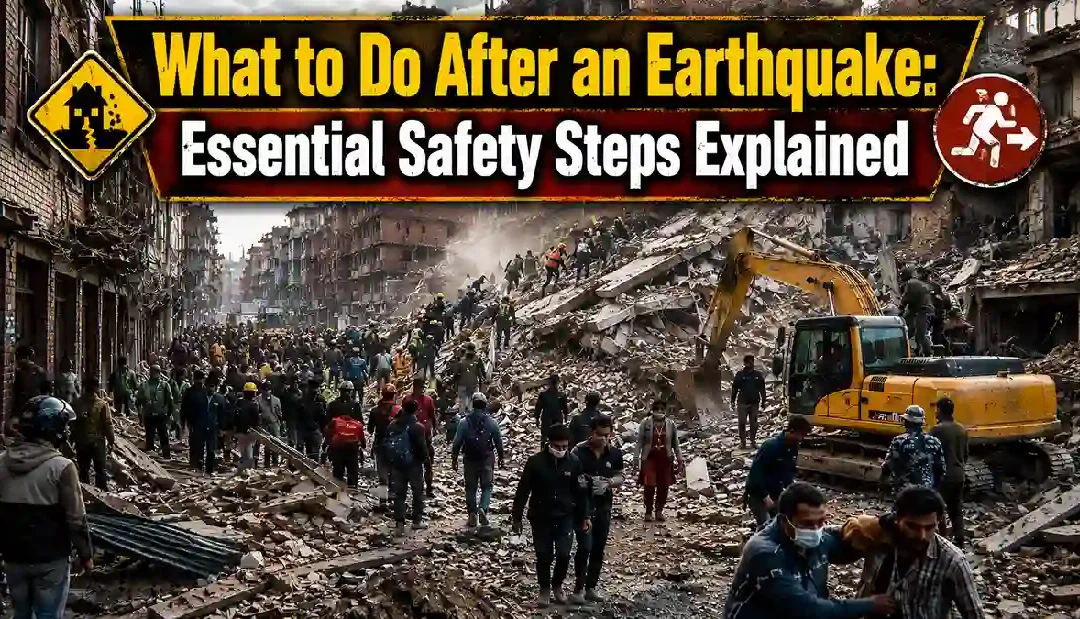 When the shaking stops, the danger may not be over. After an earthquake, people may face: aftershocks damaged buildings gas leaks fires power outages blocked roads The minutes and hours after an earthquake are extremely important. Knowing what to do afterward can help...
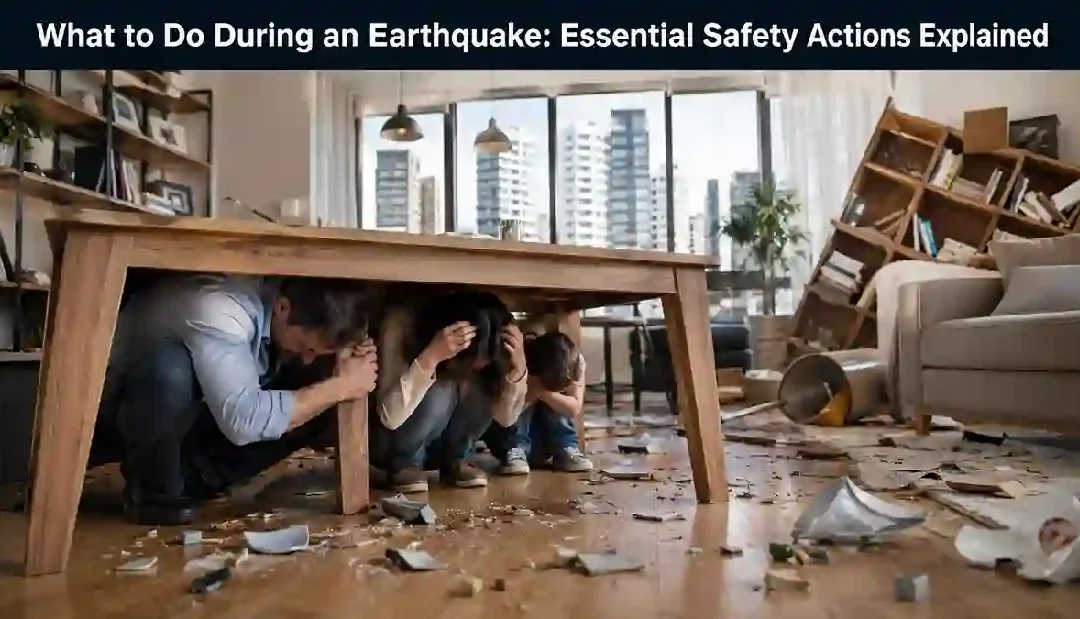 Earthquakes happen suddenly and often without warning. In just a few seconds: buildings may shake violently objects can fall power systems may fail roads and structures may become dangerous Knowing what to do during an earthquake can greatly reduce injuries and...
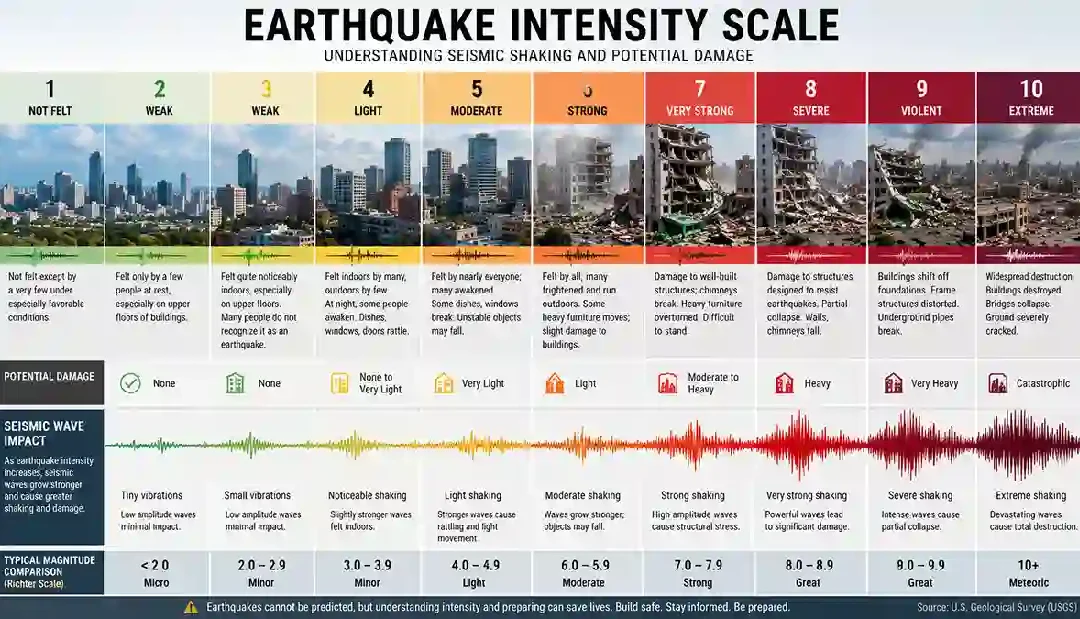 Many people think earthquake magnitude and earthquake intensity mean the same thing. But they are actually very different. Magnitude measures the total energy released by an earthquake. Intensity measures how strongly the earthquake is felt at a specific location....
