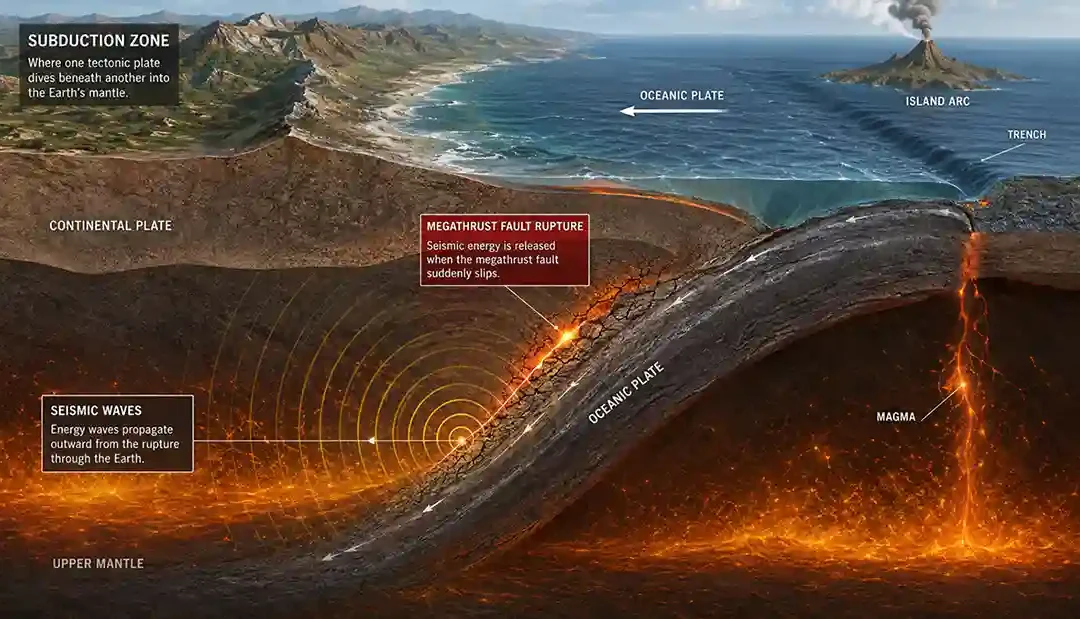
 Some of the world’s most powerful earthquakes happen in places called subduction zones. These massive tectonic boundaries form where one tectonic plate sinks beneath another deep into Earth’s interior. Subduction zones are responsible for: giant megathrust earthquakes...
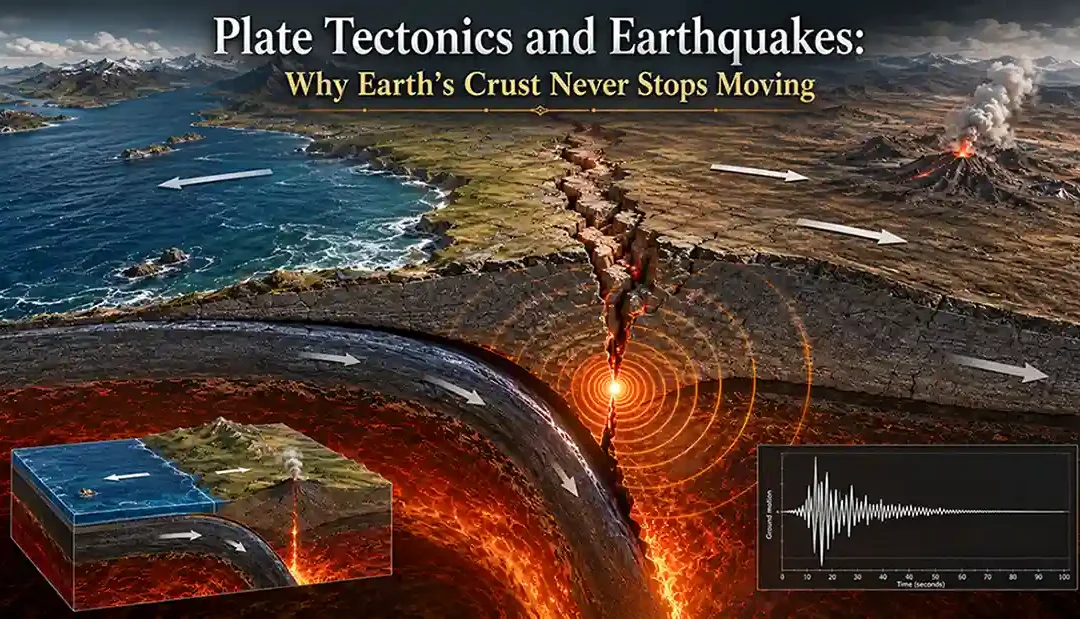 Most earthquakes happen because Earth’s tectonic plates are constantly moving. Deep beneath the surface: giant slabs of Earth’s crust slowly shift plates collide, separate, or slide past each other stress builds along faults Eventually, the pressure becomes too great....
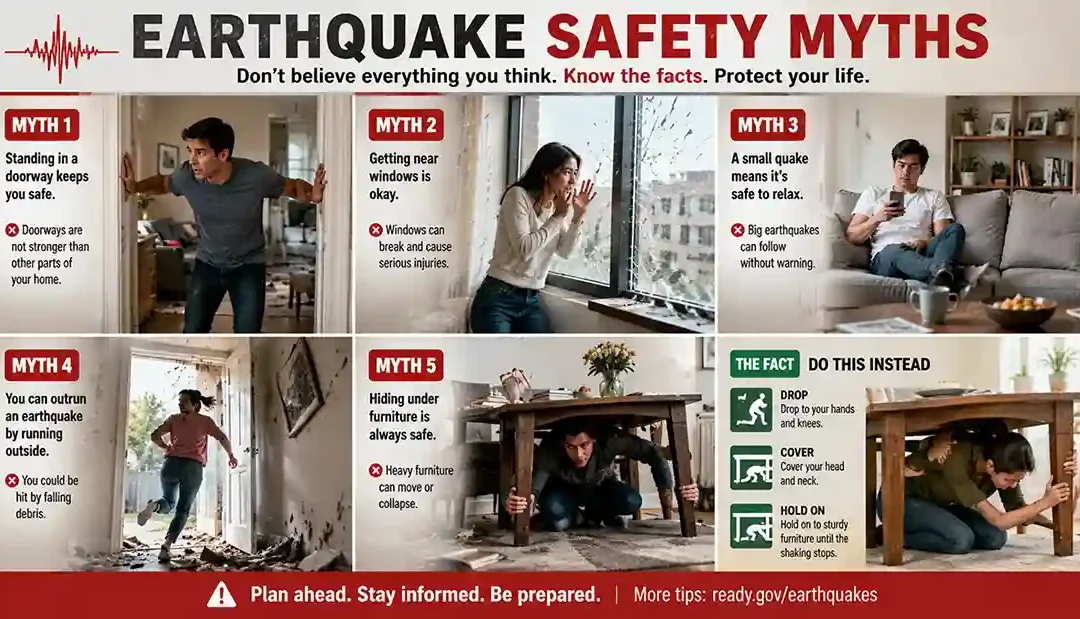 Earthquakes happen suddenly, which means people often rely on instinct, old advice, or misinformation during emergencies. Unfortunately, many popular earthquake “safety tips” are outdated or incorrect. Some myths can actually: increase injuries delay evacuation create...
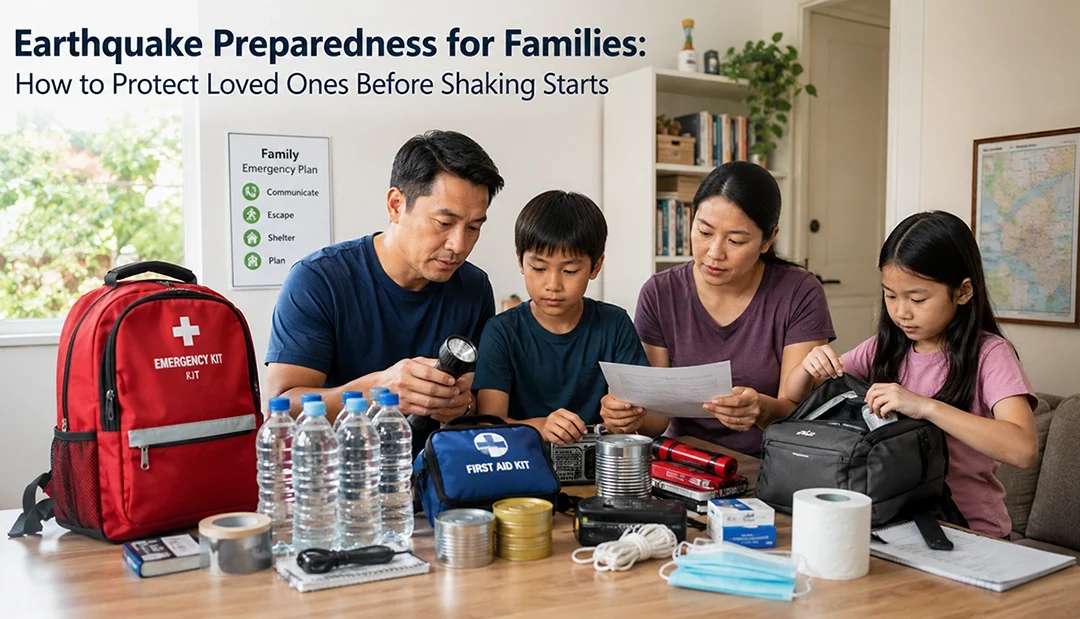 Earthquakes can happen suddenly and without warning. For families, earthquakes may create: panic and confusion separation during emergencies damaged homes power outages limited communication The good news is that family preparedness can greatly improve safety during...
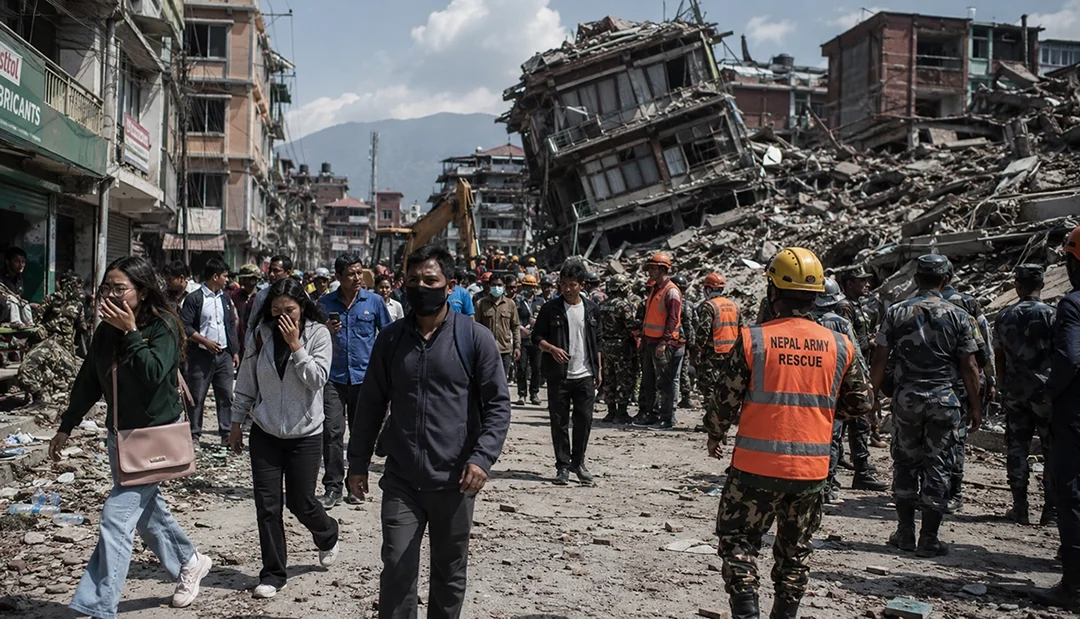 Earthquakes can damage buildings, block roads, and create dangerous aftershocks within seconds. That’s why having a clear earthquake evacuation plan is extremely important. A good evacuation plan helps people: react faster reduce panic avoid dangerous areas reunite...
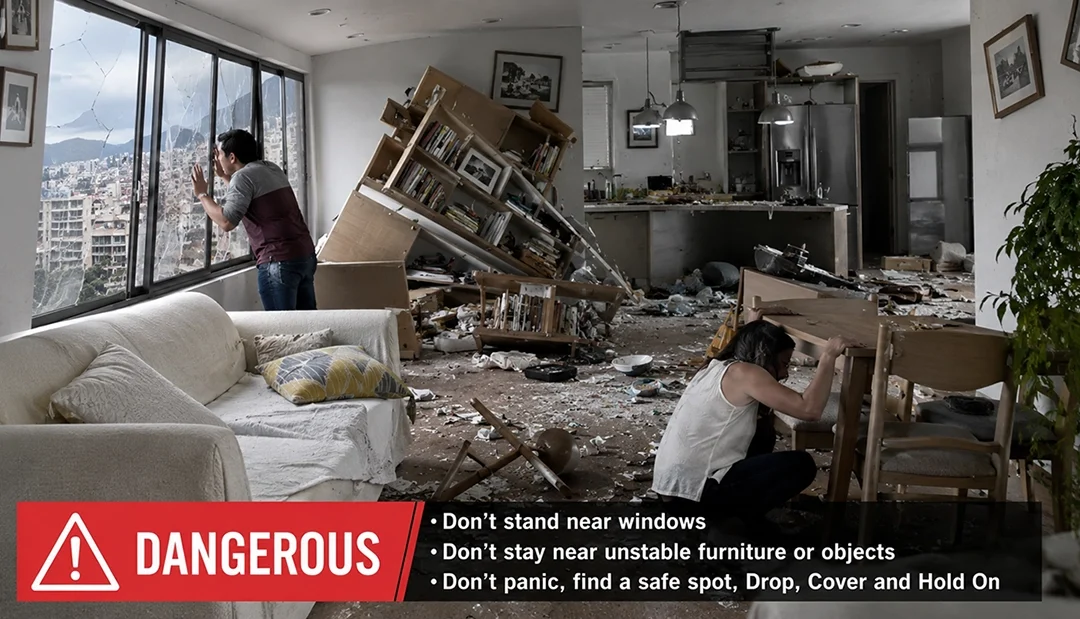 During an earthquake, panic and wrong decisions can lead to serious injuries. Many earthquake-related injuries happen not because of the earthquake itself, but because people: run in unsafe directions stand near dangerous objects use elevators ignore protective...