
Latest Post & Case Study
Recent Post
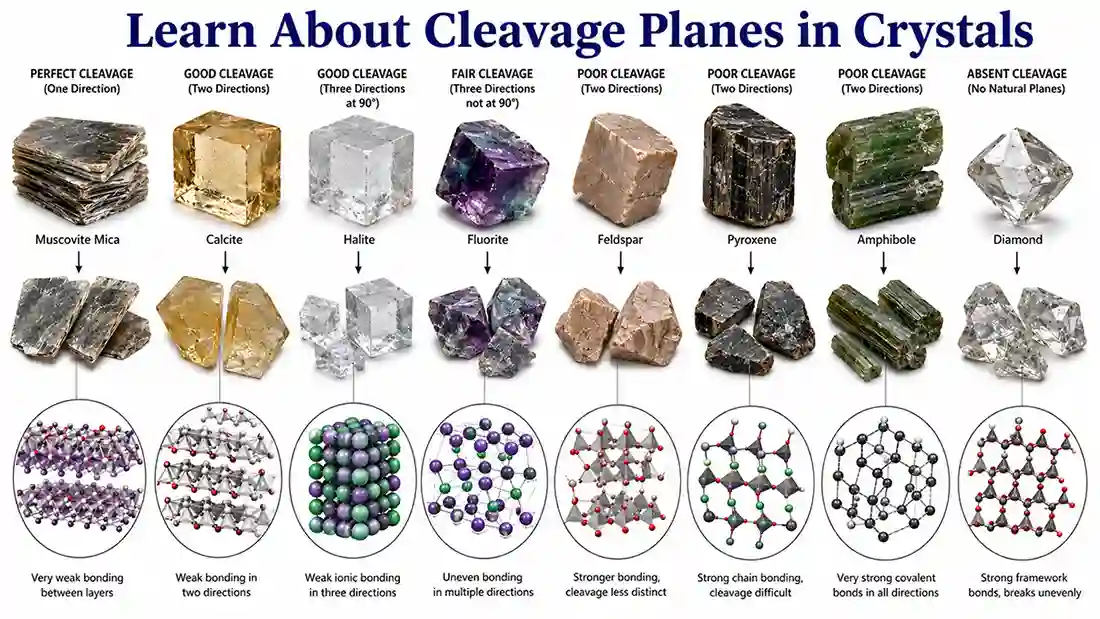
Learn About Cleavage Planes in Crystals
Cleavage is one of the most important physical properties used to identify minerals. It describes a mineral's tendency...
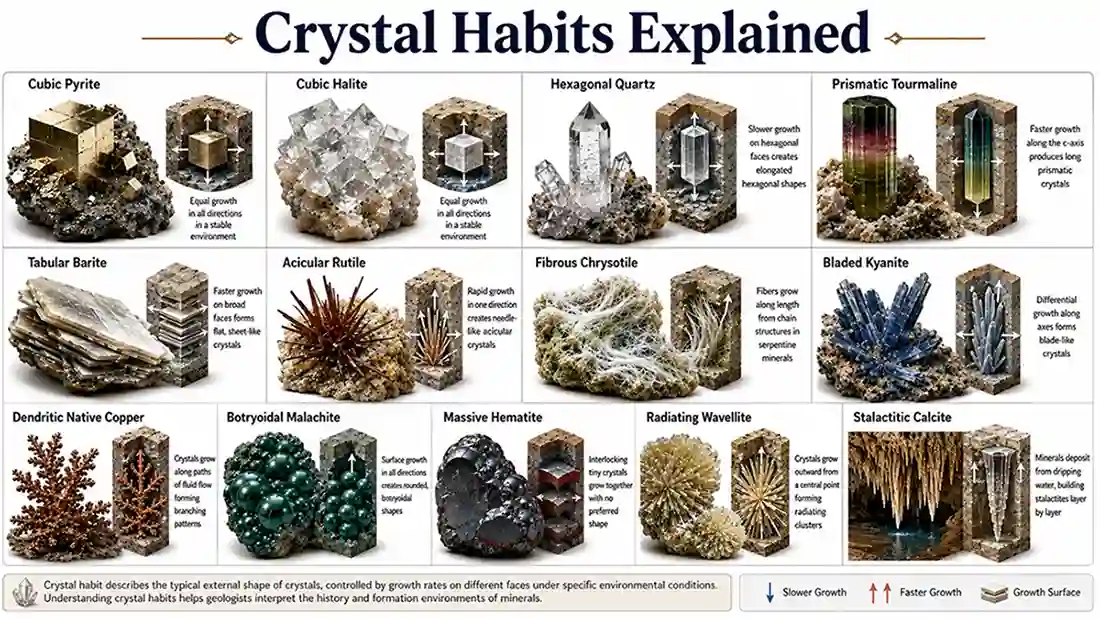
Crystal Habits Explained
Crystal habit describes the external shape or appearance that a mineral crystal develops during growth. Although a...
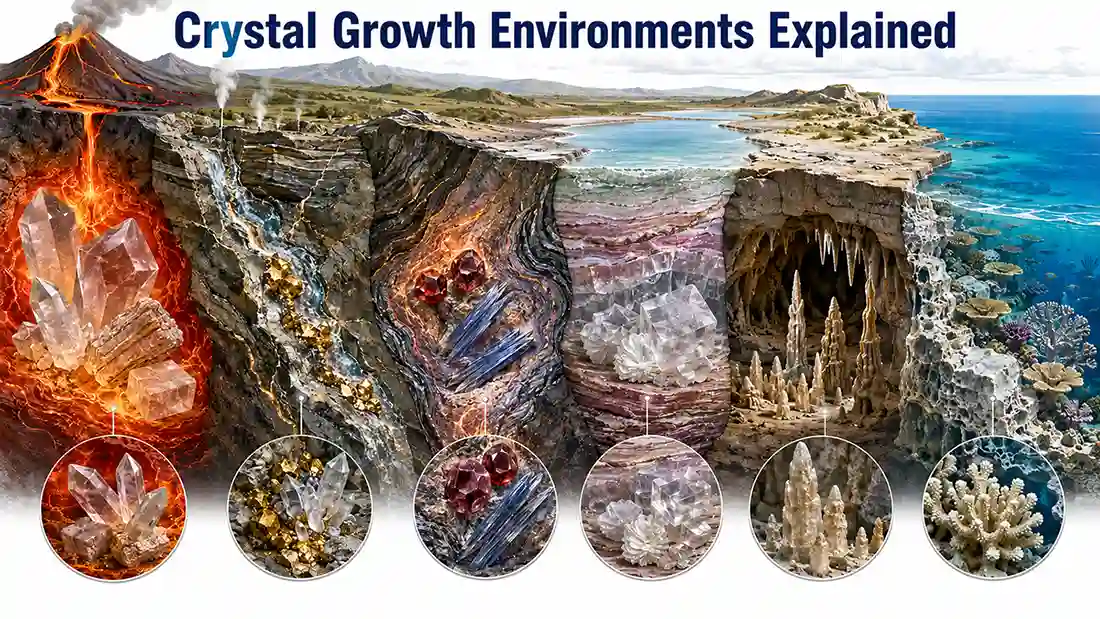
Crystal Growth Environments Explained
Crystals form in a wide variety of geological environments, each providing the conditions necessary for atoms to...
Mineralogy & Petrology
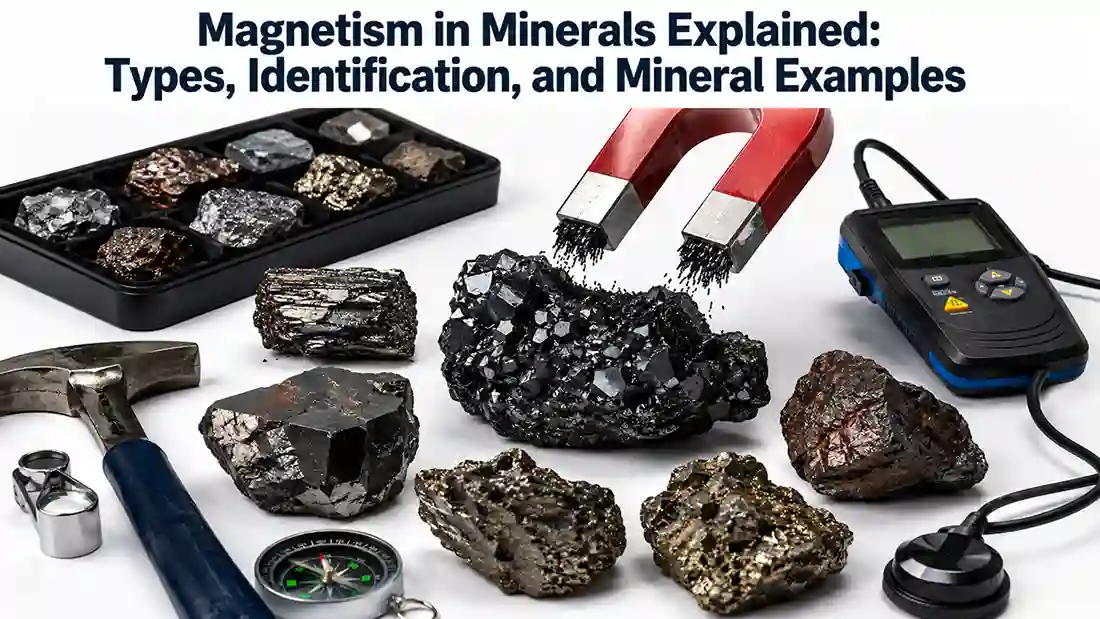
Magnetism in Minerals Explained: Types, Identification, and Mineral Examples
Magnetism is one of the most distinctive physical properties used in mineral identification. While most minerals show...
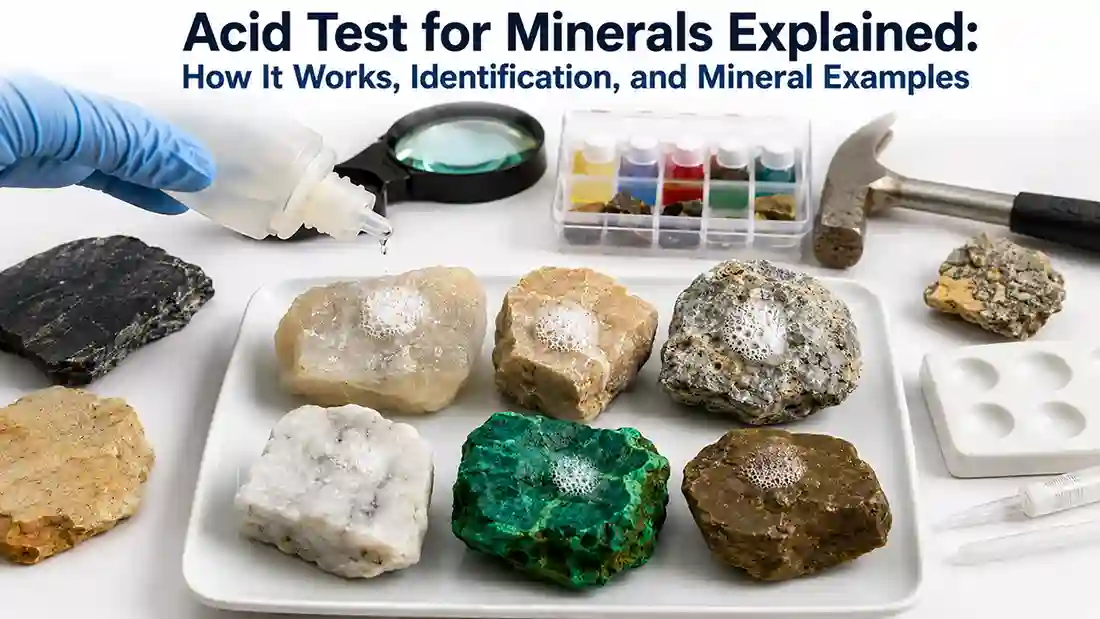
Acid Test for Minerals Explained: How It Works, Identification, and Mineral Examples
The acid test is one of the quickest and most reliable methods used to identify carbonate minerals in geology and...
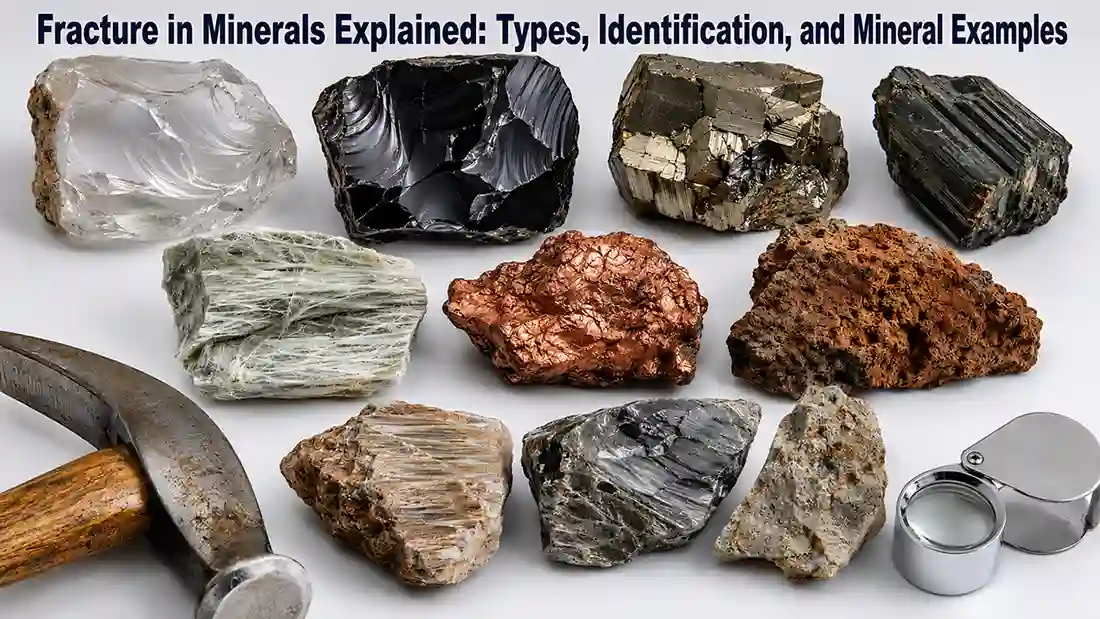
Fracture in Minerals Explained: Types, Identification, and Mineral Examples
Fracture is one of the most important physical properties used in mineral identification. Unlike cleavage, which...
Geology & Earth Science
No Results Found
The page you requested could not be found. Try refining your search, or use the navigation above to locate the post.
Paleontology
No Results Found
The page you requested could not be found. Try refining your search, or use the navigation above to locate the post.
Solar System
No Results Found
The page you requested could not be found. Try refining your search, or use the navigation above to locate the post.