
Latest Post & Case Study
Recent Post
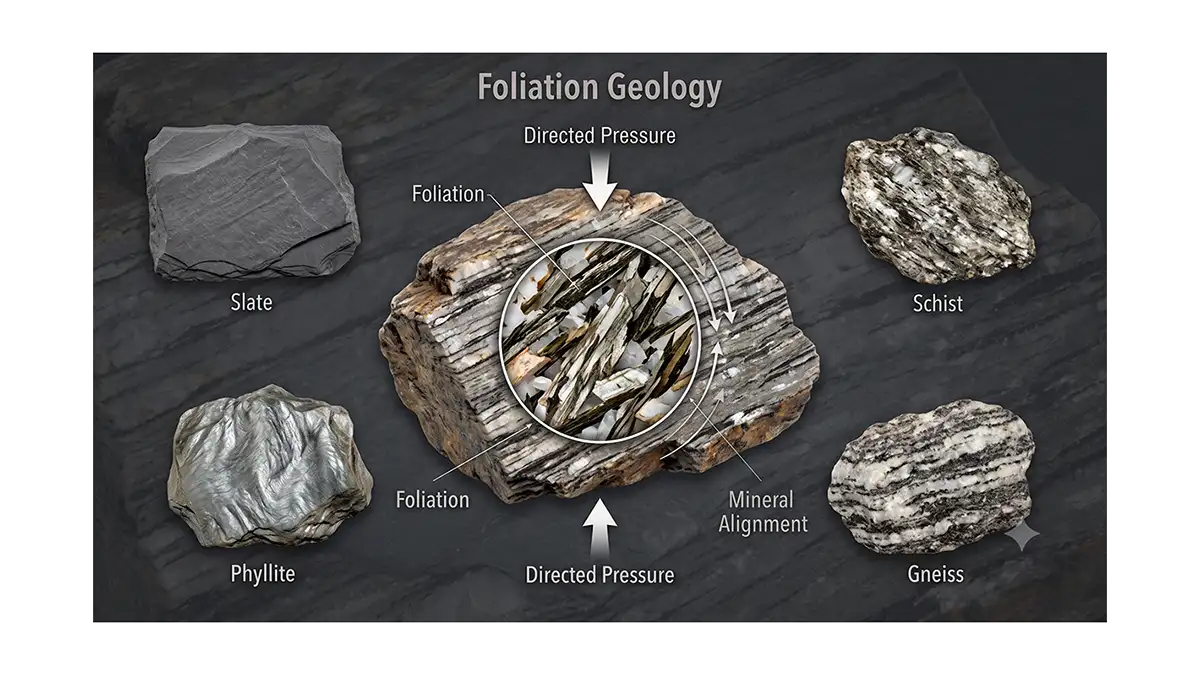
Foliation Geology: Definition, Types, Formation, and Examples
Foliation geology refers to the layered, banded, or planar arrangement of minerals in metamorphic rocks. It develops...
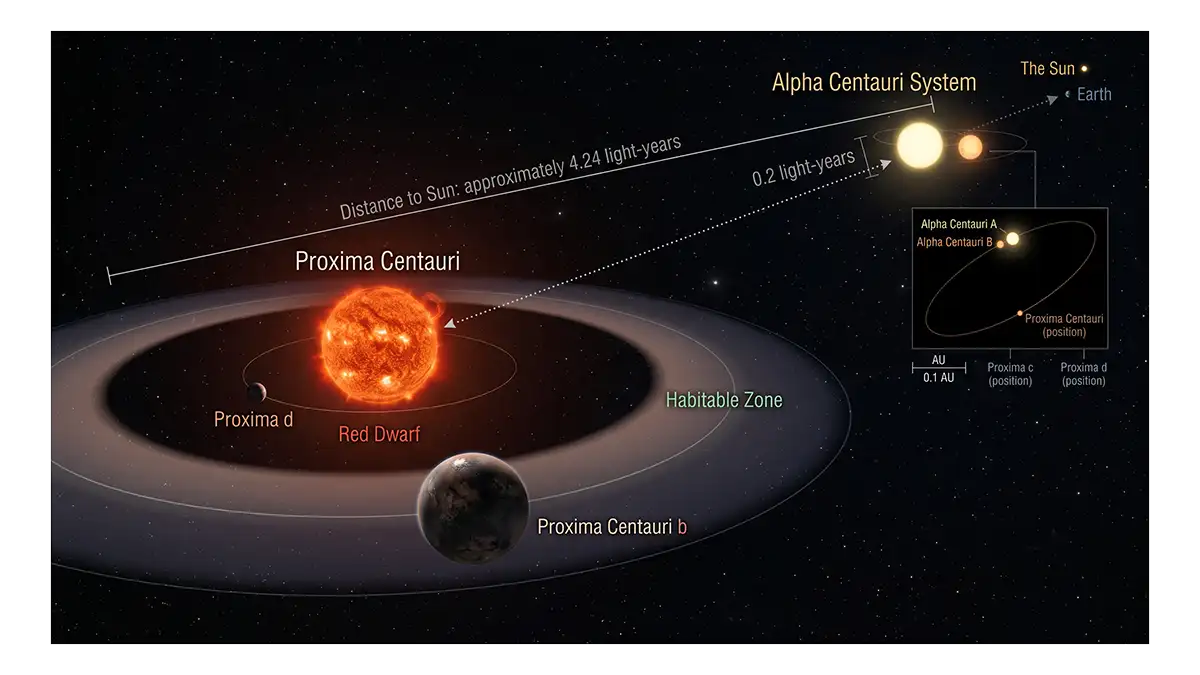
Proxima Centauri: The Closest Star to the Sun
Proxima Centauri is a red dwarf star near our Solar System. It is a small, cool red dwarf located about 4.24...
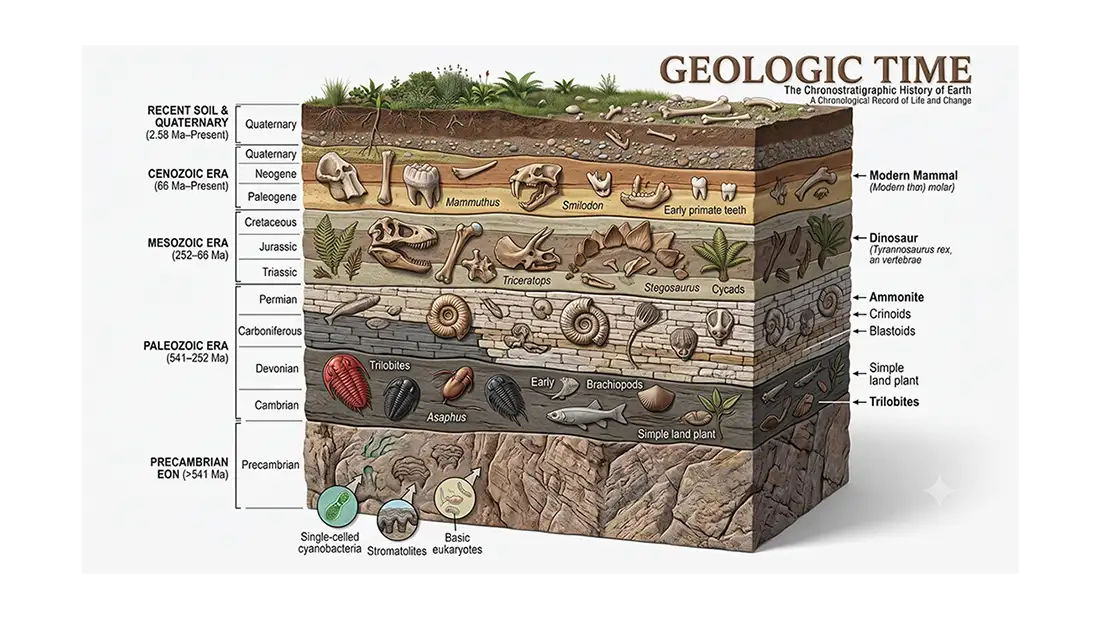
Geologic Time: Earth’s 4.6-Billion-Year Calendar
Geologic Time provides the timeline scientists use to track Earth’s 4.6-billion-year history. Humans measure time in...
Mineralogy & Petrology
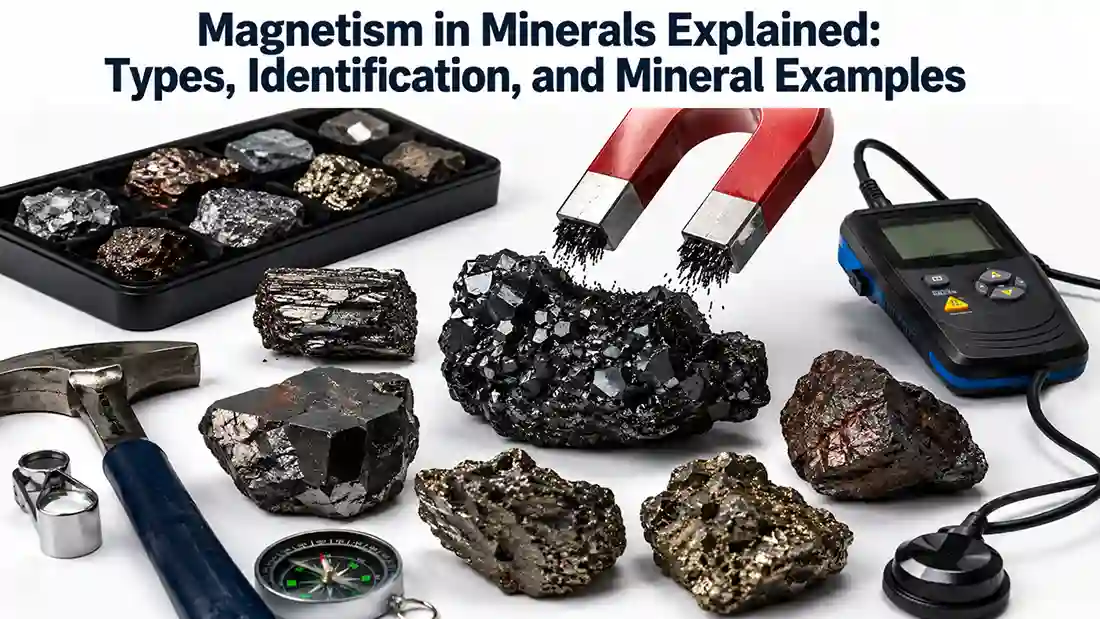
Magnetism in Minerals Explained: Types, Identification, and Mineral Examples
Magnetism is one of the most distinctive physical properties used in mineral identification. While most minerals show...
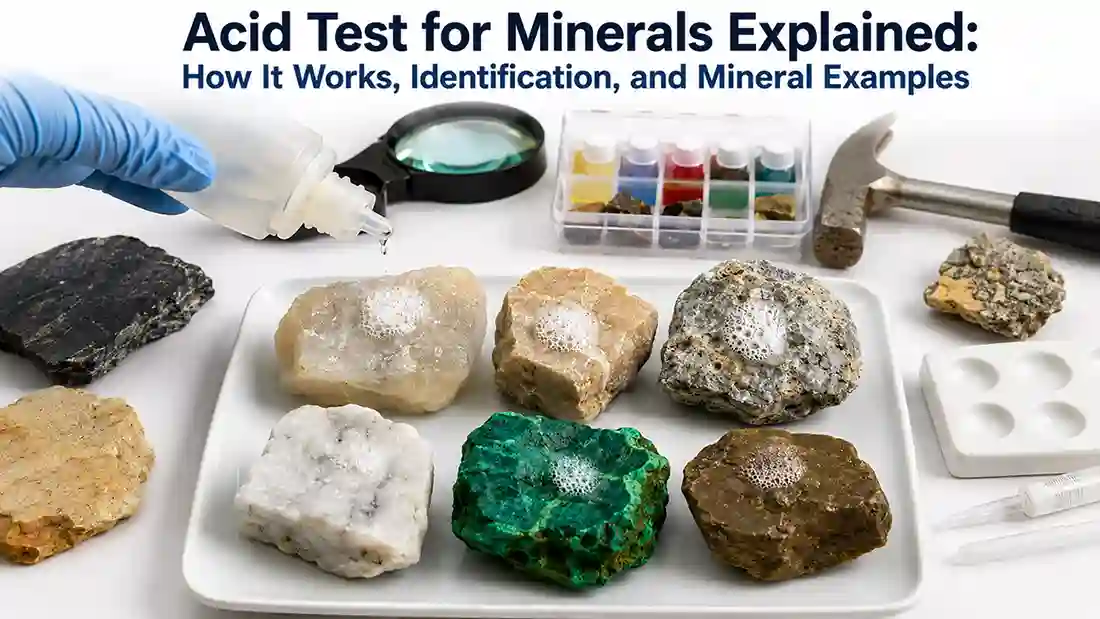
Acid Test for Minerals Explained: How It Works, Identification, and Mineral Examples
The acid test is one of the quickest and most reliable methods used to identify carbonate minerals in geology and...
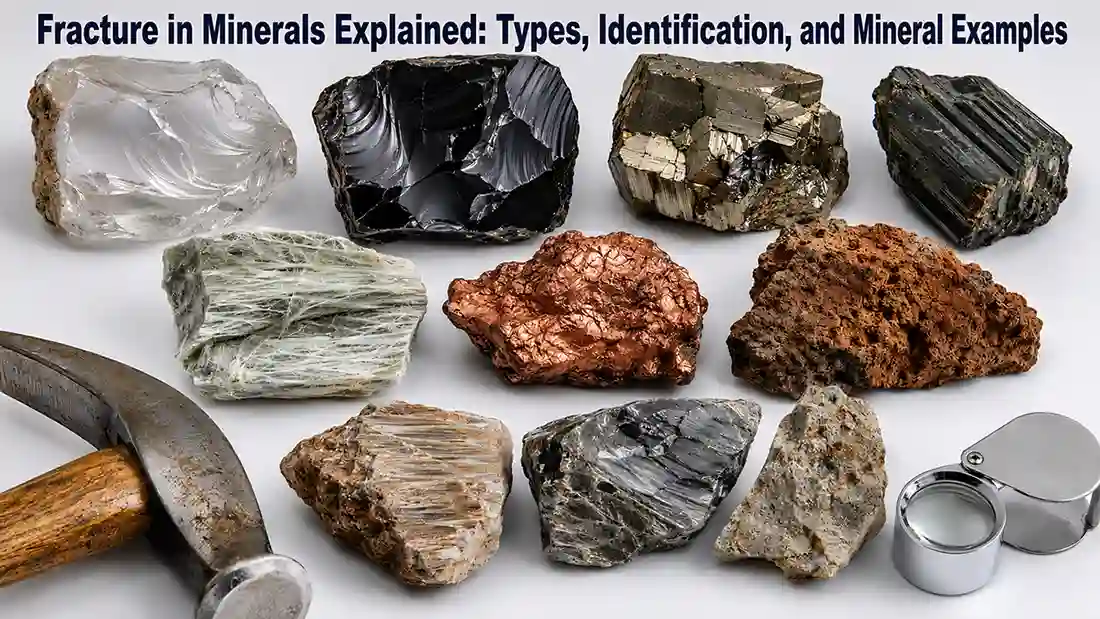
Fracture in Minerals Explained: Types, Identification, and Mineral Examples
Fracture is one of the most important physical properties used in mineral identification. Unlike cleavage, which...
Geology & Earth Science

Porosity Explained: Definition, Types, and Importance
Porosity is an important property of a material, describing the ratio of voids to the total volume. This property is...

Evaporation: A Vital Process in Nature and Everyday Life
Evaporation is important in the water cycle and affects our daily lives. From drying clothes to cooling the body...
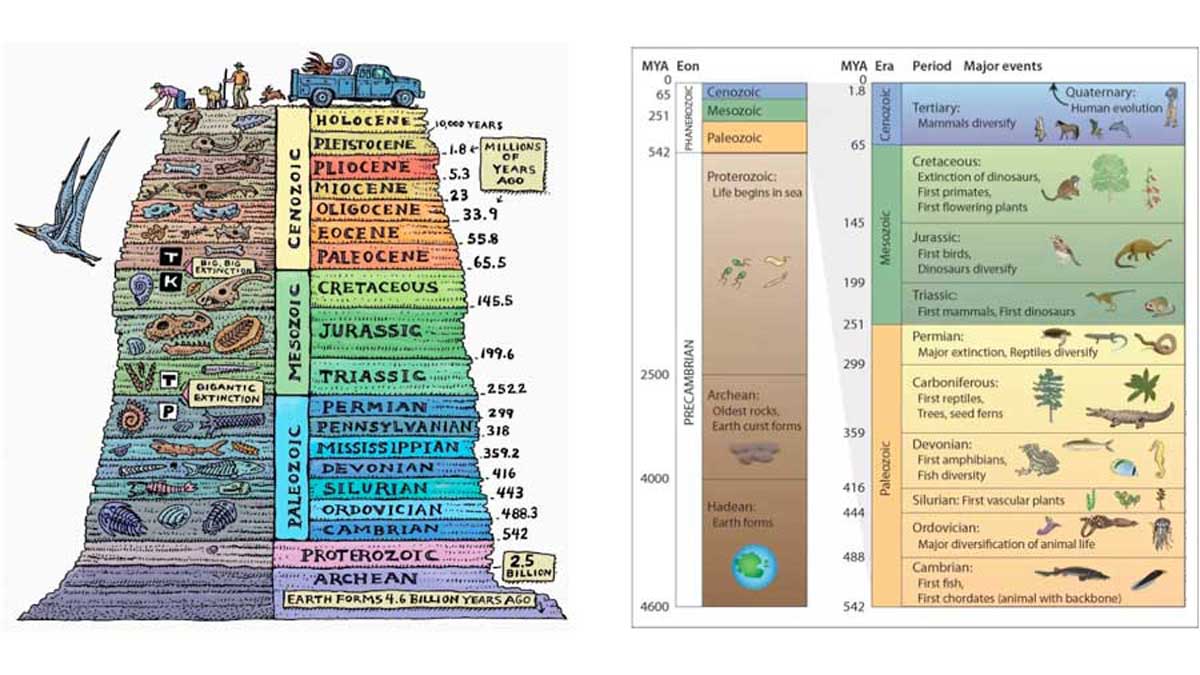
Geological Time Scale
What is the Geological Time Scale? The geological time scale is a system geologists use to subdivide the great span of...
Paleontology
No Results Found
The page you requested could not be found. Try refining your search, or use the navigation above to locate the post.
Solar System
No Results Found
The page you requested could not be found. Try refining your search, or use the navigation above to locate the post.