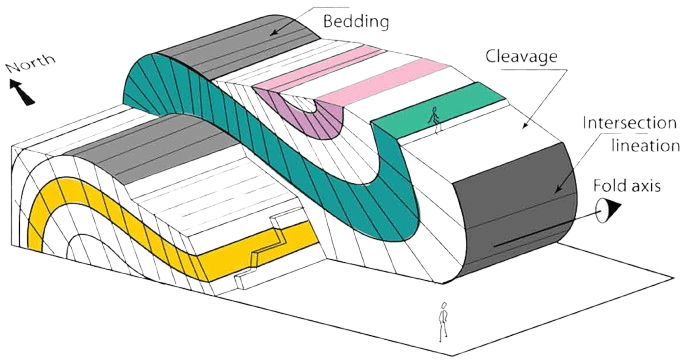
 Lineation: Lineation is expressed by the parallelism of some directional property in the rock. Types of lineation: Lineation is found to develop in igneous, sedimentary, and metamorphic rocks. Lineation is of two types: primary lineation (sedimentary rocks, igneous...
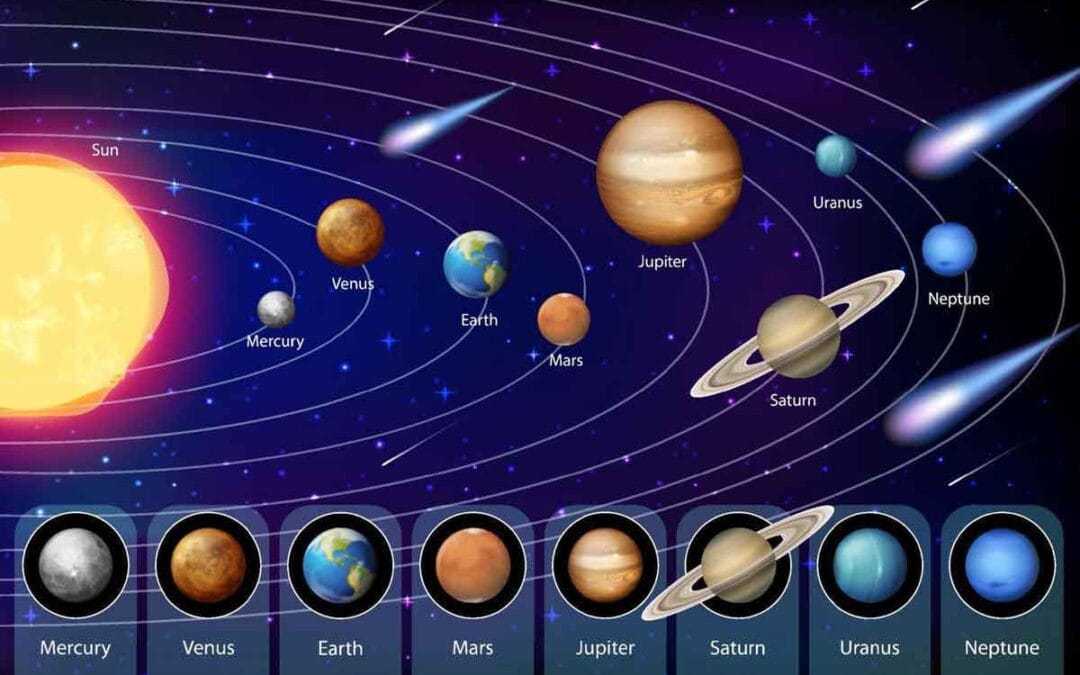 The solar system consists of the Sun and all celestial objects that orbit around it under the force of gravity. Scientists believe the solar system formed about 4.6 billion years ago when a dense region of gas and dust collapsed, creating the Sun and a surrounding...
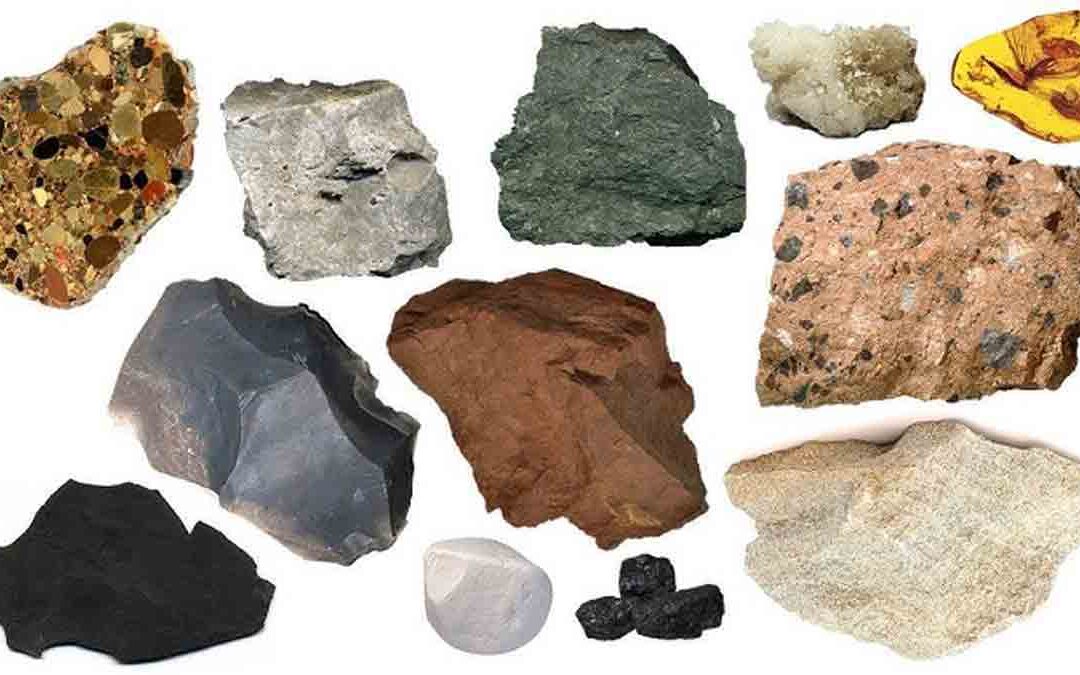 Sediments are materials formed due to mechanical or chemical activity by the agents of denudation on preexisting rocks. They are deposited in a stratified fashion, layer after layer, at the surface of the lithosphere. Lithification of the sediments at relatively low...
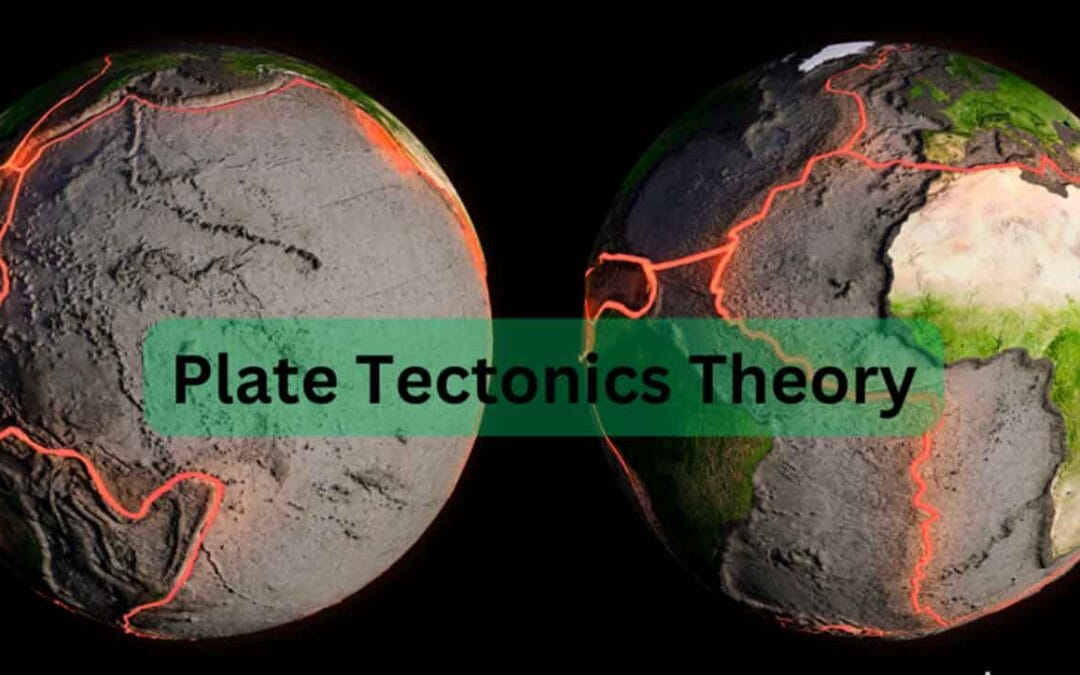 The theory of plate tectonics, which refers to “plate structure,” originated in the 1960s. This theory elucidates the dynamics of the Earth’s plates, a phenomenon that has been scientifically validated, and accounts for the origins of earthquakes,...
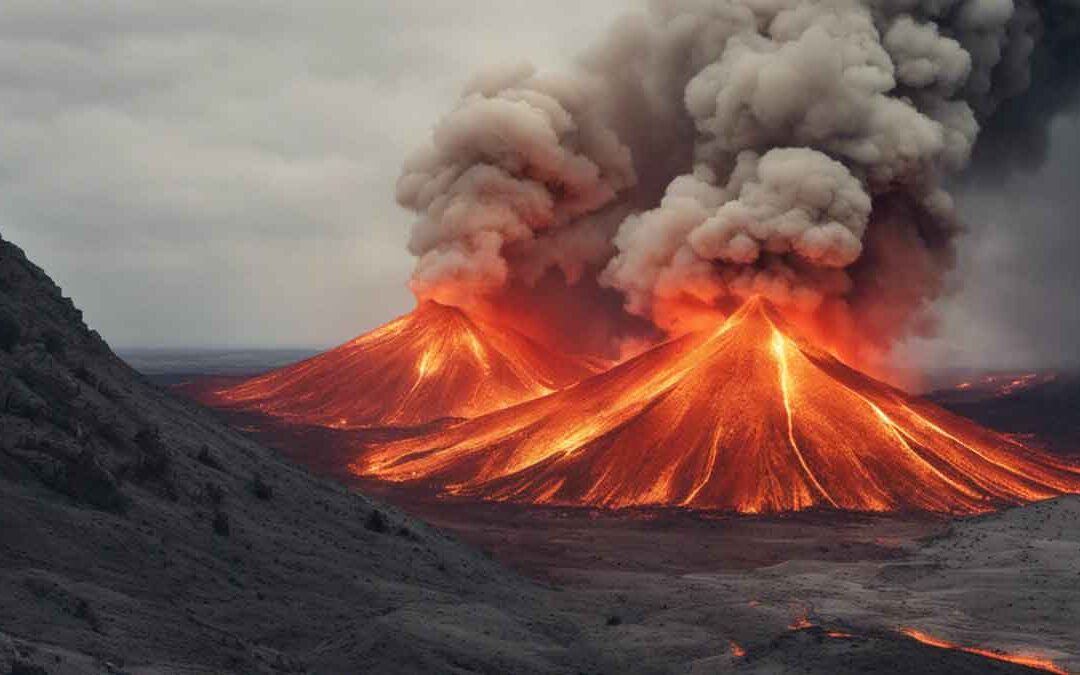 Causes of Volcanism: When volcanoes erupt, the mantle’s temperature reaches about half its melting point, causing its viscosity to drop significantly. This large-scale melting rapidly decreases viscosity, allowing the material to move more quickly and increasing...
