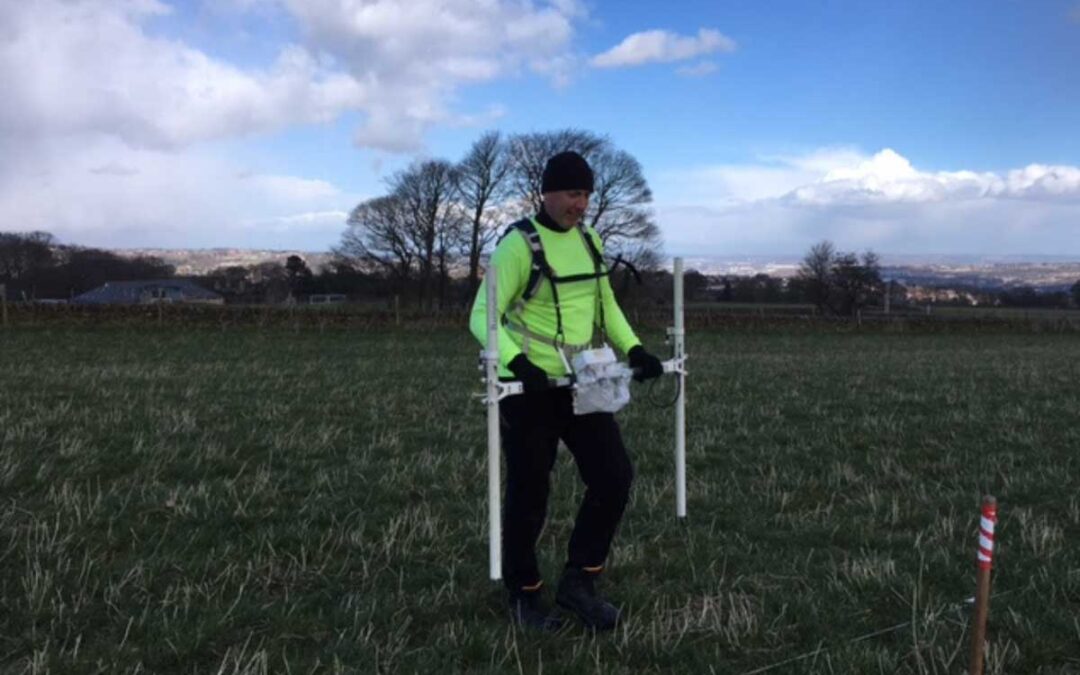
 A geophysical survey is the systematic collection of geophysical data for spatial studies. Detection and analysis of geophysical signals form the core of geophysical signal processing. The geophysical survey uses various sensing instruments, and data may be collected...
 Geophysics is the study of the physical properties and processes of the Earth and its surrounding environment using physics, earth science, and technology. Understanding “what geophysics is” gives helpful insight into anything from natural resources to...
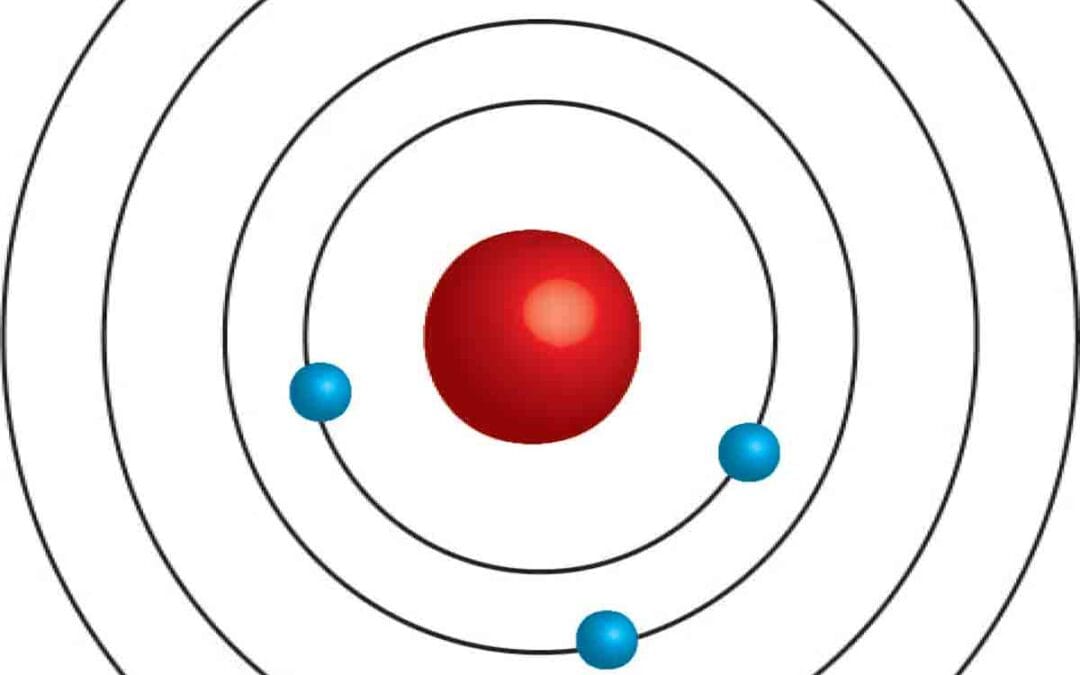 Niels Bohr introduced Bohr’s model of the atom as an enhancement of Rutherford’s atomic model. Rutherford had established a nuclear model that described the atom with a positively charged nucleus surrounded by negatively charged electrons. Bohr expanded on this...
 Chemical Equilibrium: When the rates of forward and reverse reactions are equal, the concentration of the reactants and products remains constant. This stage is called chemical equilibrium. Characteristics of Chemical Equilibrium: Constancy of concentration Can...
 Thermodynamics focuses on the interactions between heat, work, and temperature, exploring how these elements connect to energy, entropy, and the physical characteristics of matter and radiation. These interactions are defined by three fundamental laws of...
