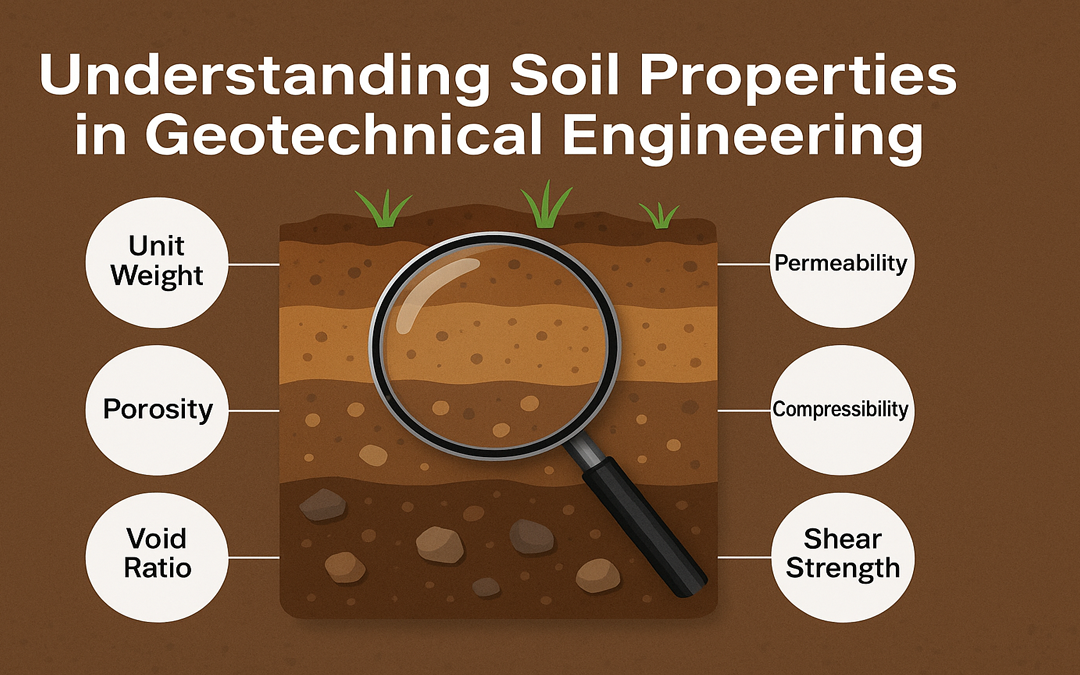
 Soil properties are fundamental characteristics that define how soil behaves under various conditions. In geotechnical engineering, understanding these properties is essential for analyzing ground stability, designing foundations, and ensuring safe construction...
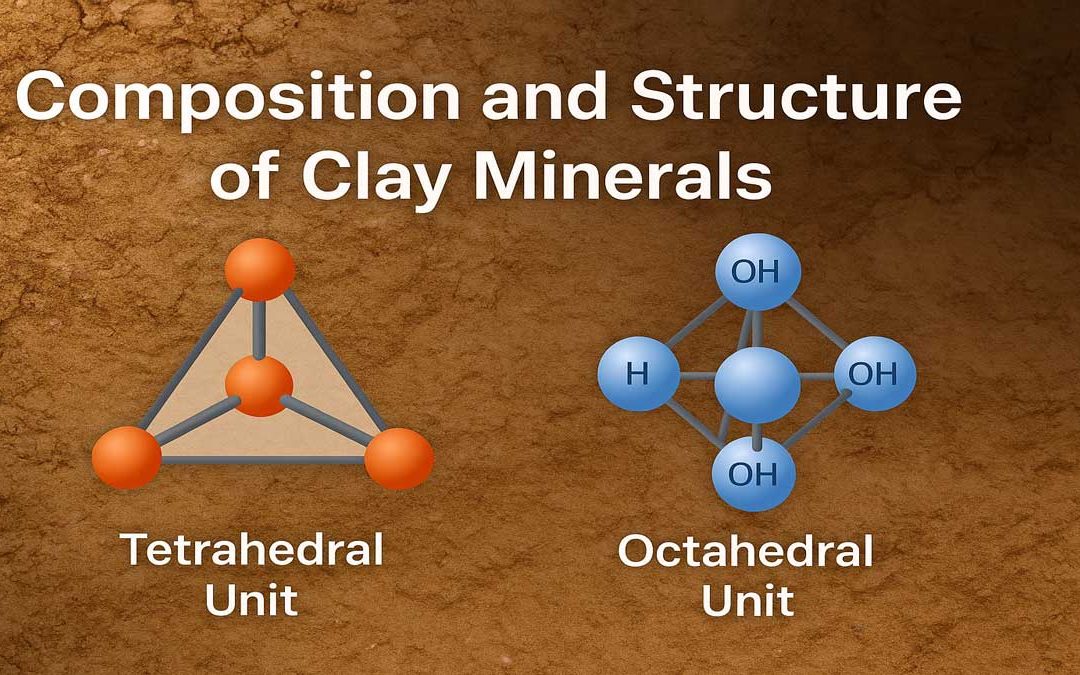 Clay minerals are microscopic, layered silicate minerals that form the fine fraction of soils and sediments. They consist mainly of hydrous aluminum silicates and often include magnesium, iron, and organic materials. Their unique structure made up of tetrahedral and...
 Soil forms the foundation of agriculture, construction, and ecosystems. Farmers, engineers, and environmentalists must understand the types of soils to make informed decisions. This guide explores the classification of soils based on grain size, origin, composition,...
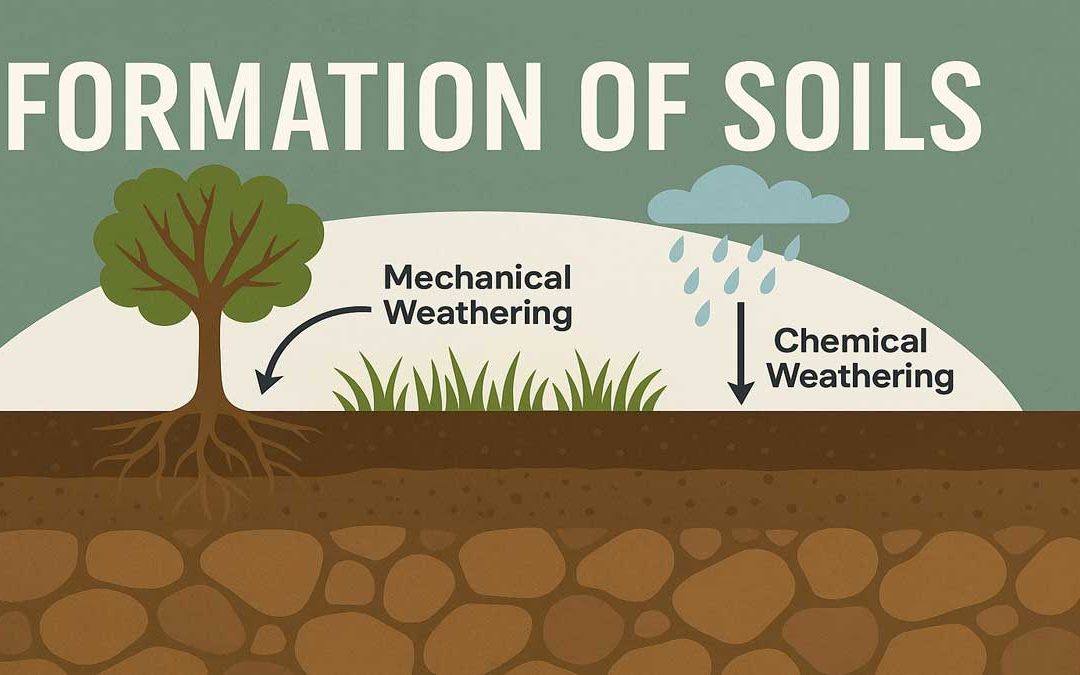 The formation of soils begins as a natural geological process that breaks down rocks into finer particles. Weathering — both mechanical and chemical — gradually turns solid rock into loose, fertile soil that supports plant life. Formation of Soils: Soil refers to a...
 Engineering Geology is the study of how geology is used in engineering work. It helps engineers understand rocks, soil, and water before building roads, bridges, dams, tunnels, and other structures. This blog explains what Engineering Geology is, its history, why it...
