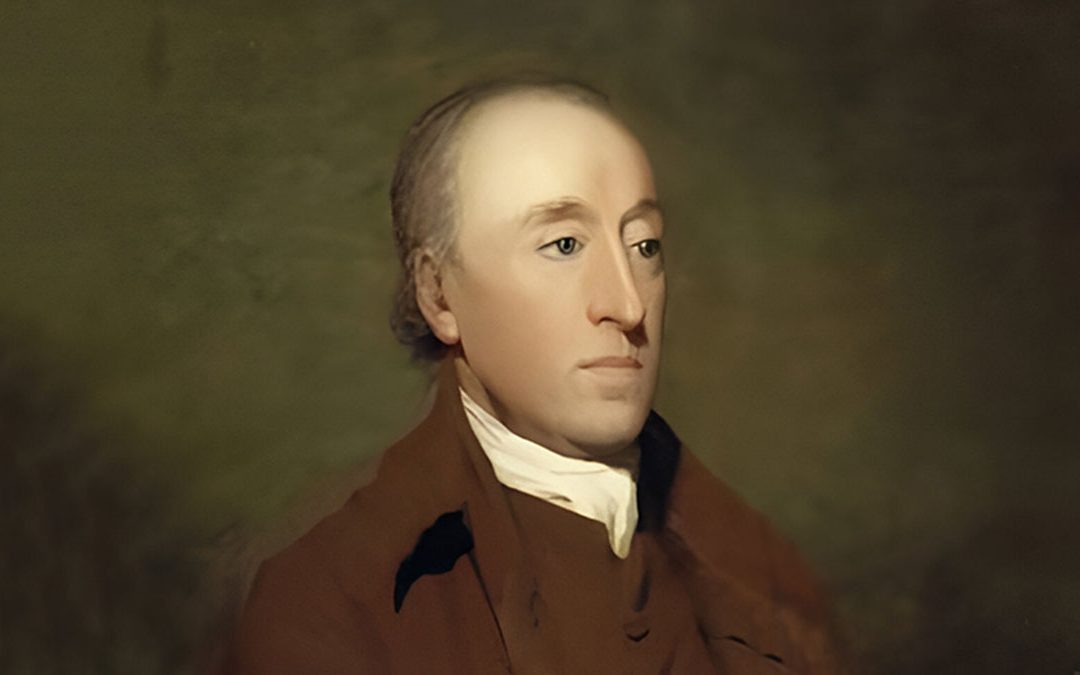
 James Hutton, usually described as the “Father of Modern Geology,” plays a critical role in the field of Earth sciences. His innovative insights contested prevailing perspectives on the Earth’s history and established the basis for contemporary...
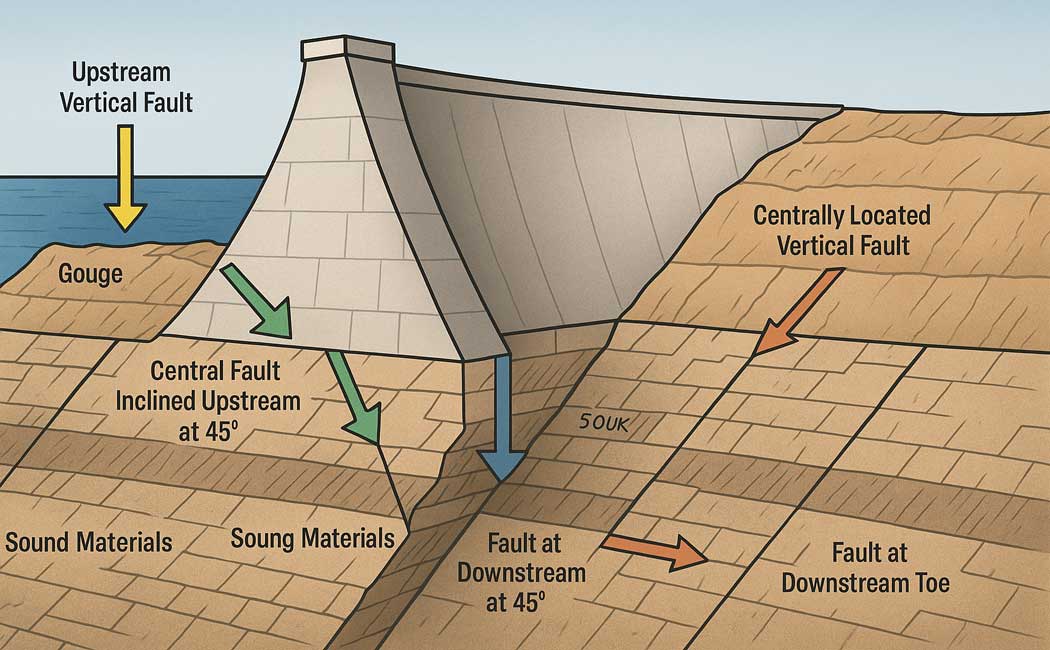 The fault zone lying under gravity dams is composed of weak gouge materials with a low modulus of elasticity as compared to sound rocks, and hence is more deformable. The pressure of a fault zone induces more stress in a foundation than a normal foundation. A fault...
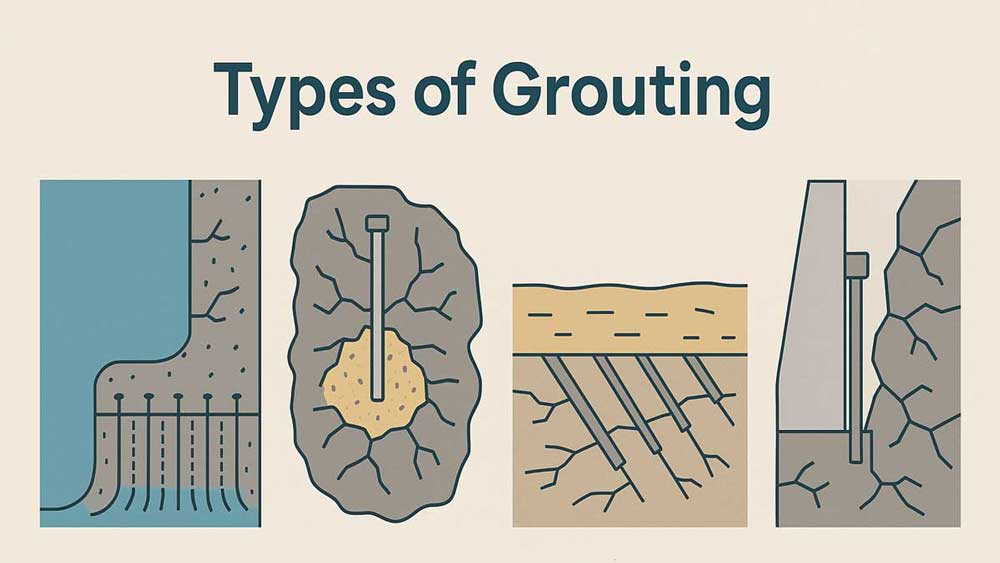 Grouting plays a crucial role in geotechnical engineering by improving the strength, stability, and impermeability of soil and rock foundations. Engineers inject a fluid-like material into voids, cracks, or porous zones to seal, consolidate, or reinforce the ground....
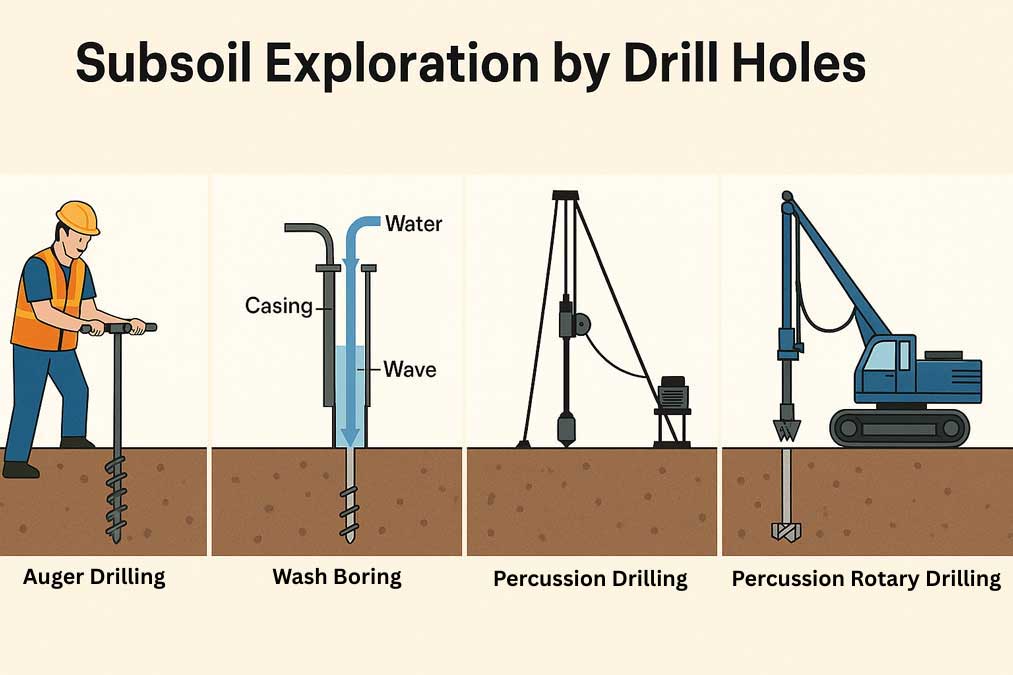 Subsoil exploration helps engineers understand what lies beneath the ground surface before starting any construction work. It identifies different soil layers and their properties. One of the common ways to explore subsoil involves drilling holes using methods such as...
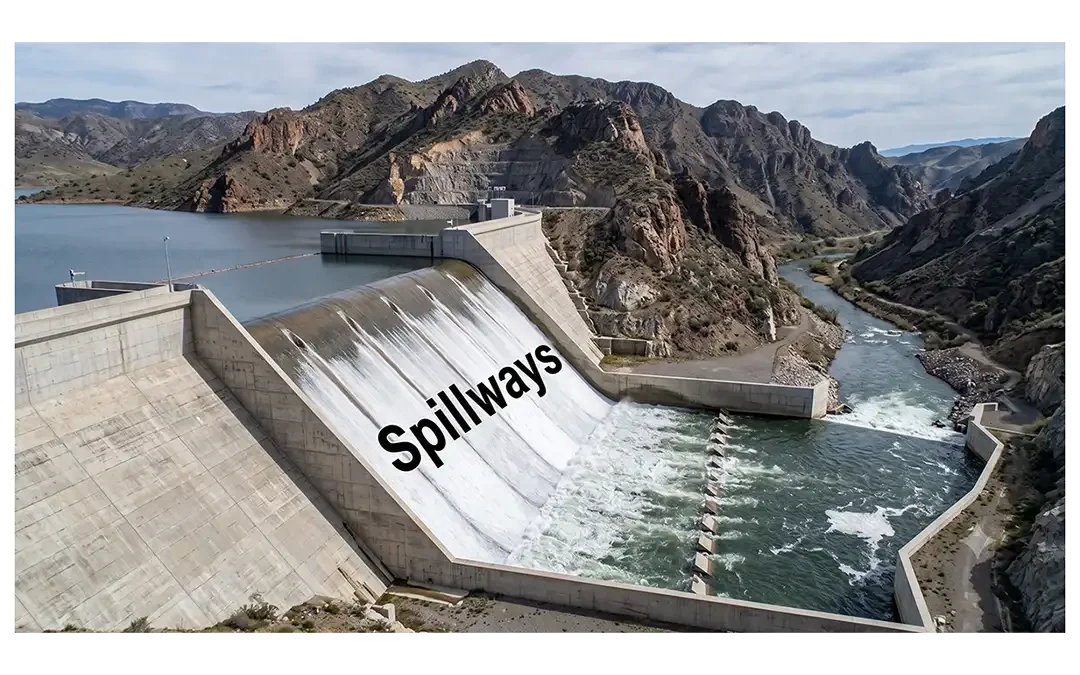 Spillways discharge water from upstream to downstream and represent the most essential structures for dams to function properly (Fig. 1). They release flood water without causing damage to the dam. The spillway often forms an integral part of the dam, constructed...
