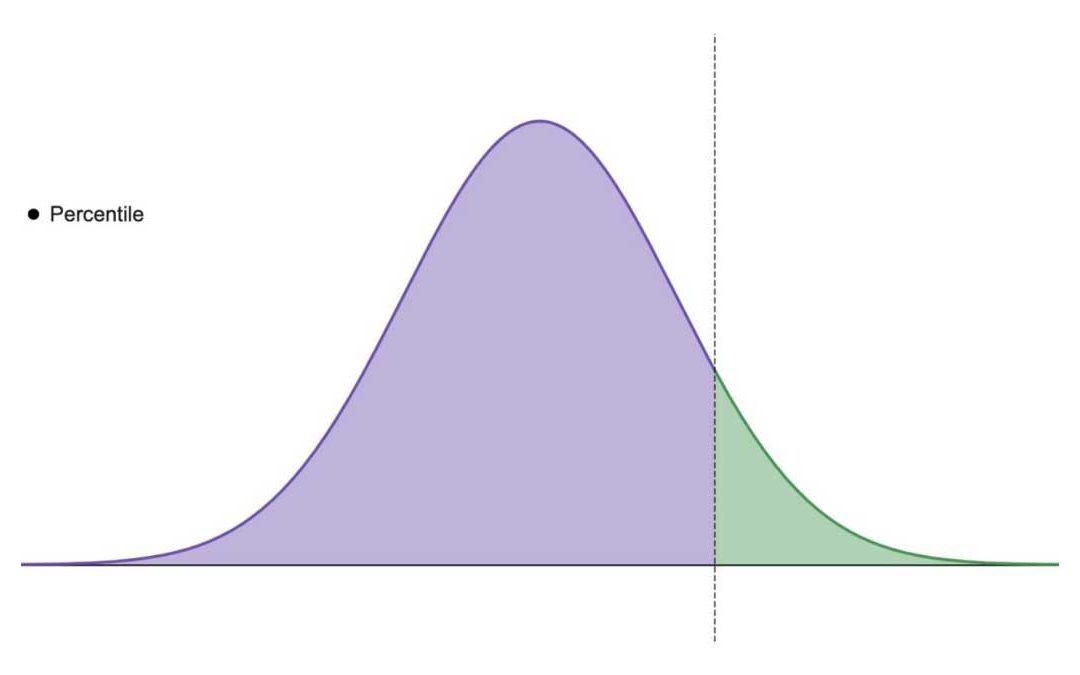
 When analyzing sediment, a percentile helps determine the grain size at a specific weight percentage. It’s found by plotting data on a cumulative curve and is essential for understanding sediment distribution. By using histograms, probability curves, and frequency...
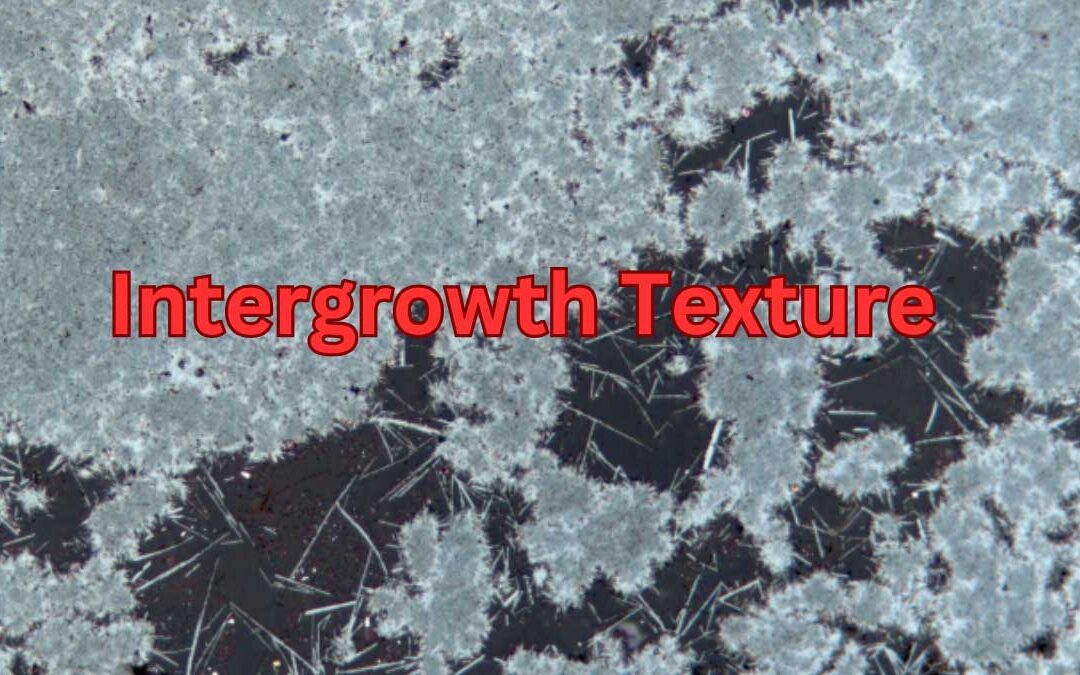 Intergrowth texture forms when two minerals crystallize together or through exsolution in igneous rocks. Common types include graphic, myrmekite, exsolution, cavity, radiate, reaction, and pegmatite textures, each revealing mineral interactions and cooling history....
 The textures of igneous rock define their crystallinity, grain size, and crystal relations, reflecting their cooling history and formation conditions. Various types of textures of igneous rock: (A) Crystallinity: Defines the degree of crystallization. Holocrystalline:...
 Deposition definition refers to the process where transported sediments settle due to changes in fluid flow. Hjulstorm’s diagram illustrates its control by velocity and turbulence. Coarser particles settle near the source, while finer ones travel farther,...
 Types of Metamorphic Texture form due to varying pressure and temperature conditions. They are classified into foliated (slaty, schistose, phyllitic, gneissic) and non-foliated (granulose, mylonitic, hornfelsic) textures. Other textures like augen, porphyroblastic,...