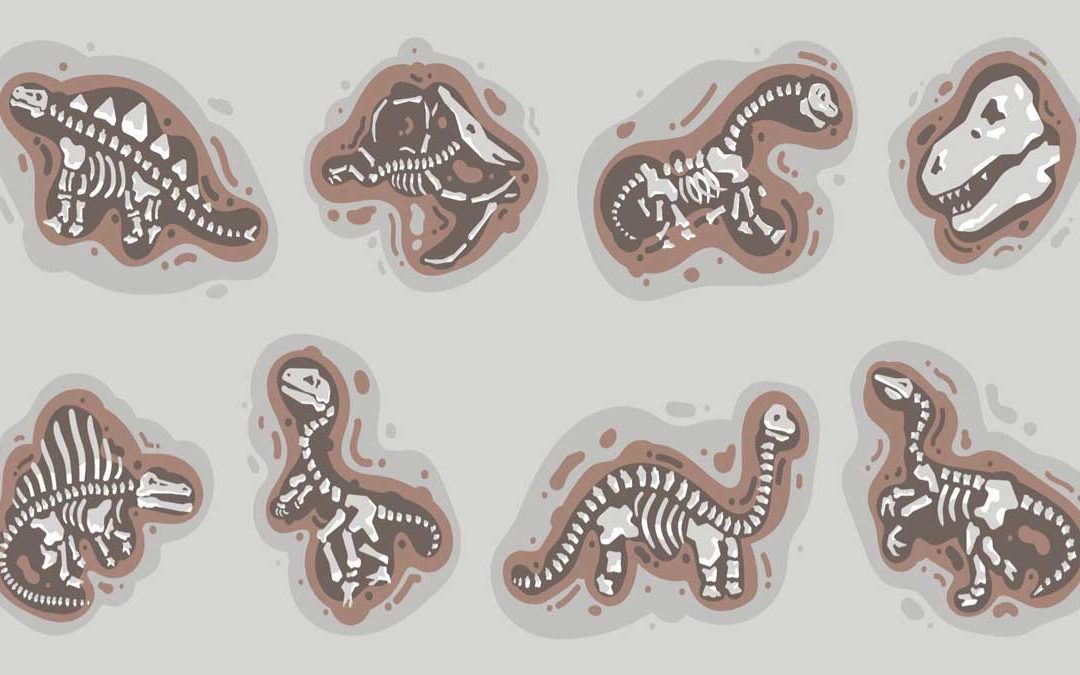
 Formation of Fossil: A fossil is the preserved remains or terraces of a dead organism. Fossils can be formed in several ways. Four different ways by which fossils can form are explained below: Permineralization occurs when dissolved minerals carried by groundwater...
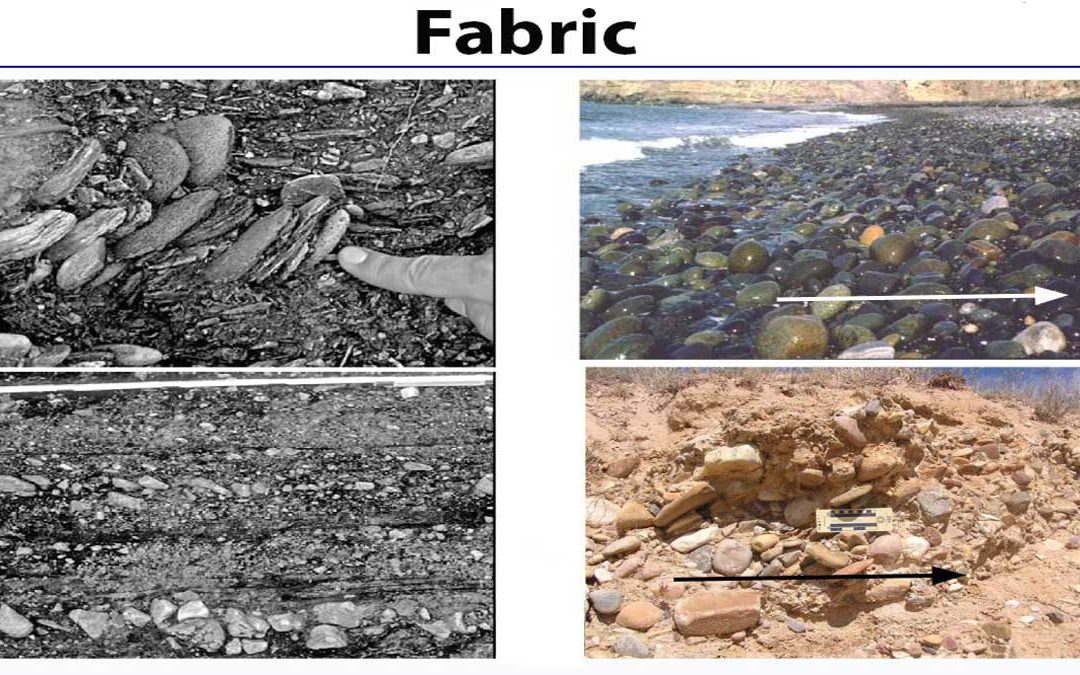 What is Fabric: Fabric means the orientation of grains. It is a property of grain aggregates. Any non-spherical object has an orientation. Features that are larger than single grains but smaller than sedimental structures. Types of Fabric: Generally, there are two...
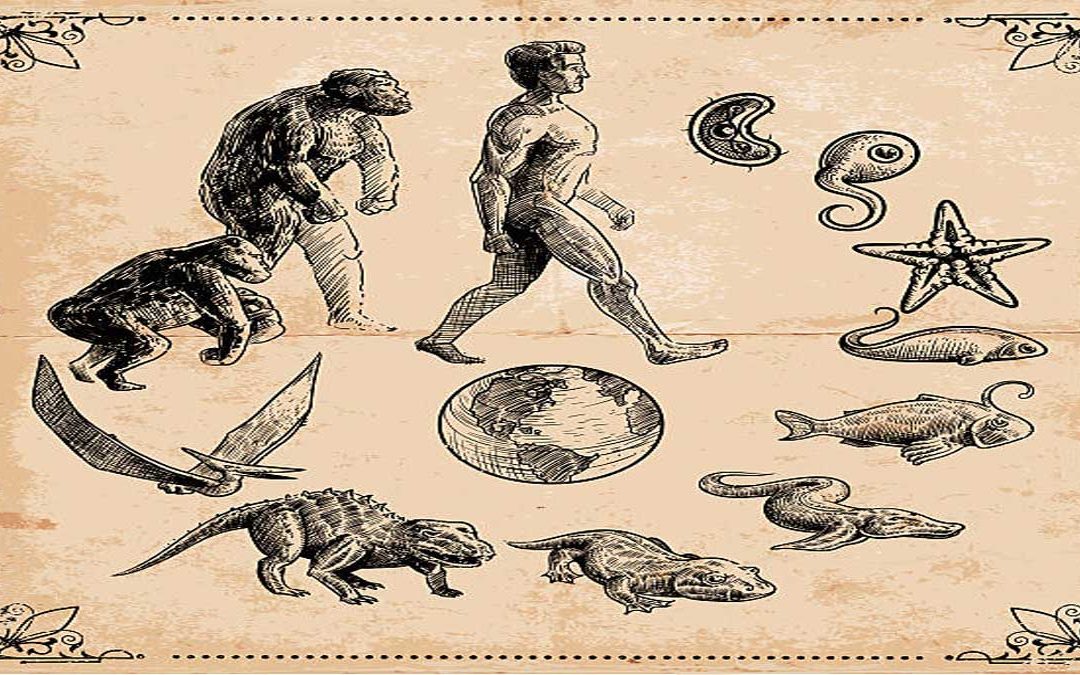 Types of evolution shape how species change over time. Divergent evolution splits one species into two, convergent evolution causes unrelated species to develop similar traits, and parallel evolution leads separate species in the same environment to evolve alike....
 Sphericity measures how closely a particle’s shape resembles a sphere. It helps in understanding grain durability, transport history, and geological processes. A perfect sphere has a sphericity of 1.00, while other shapes have lower values. This concept is crucial in...
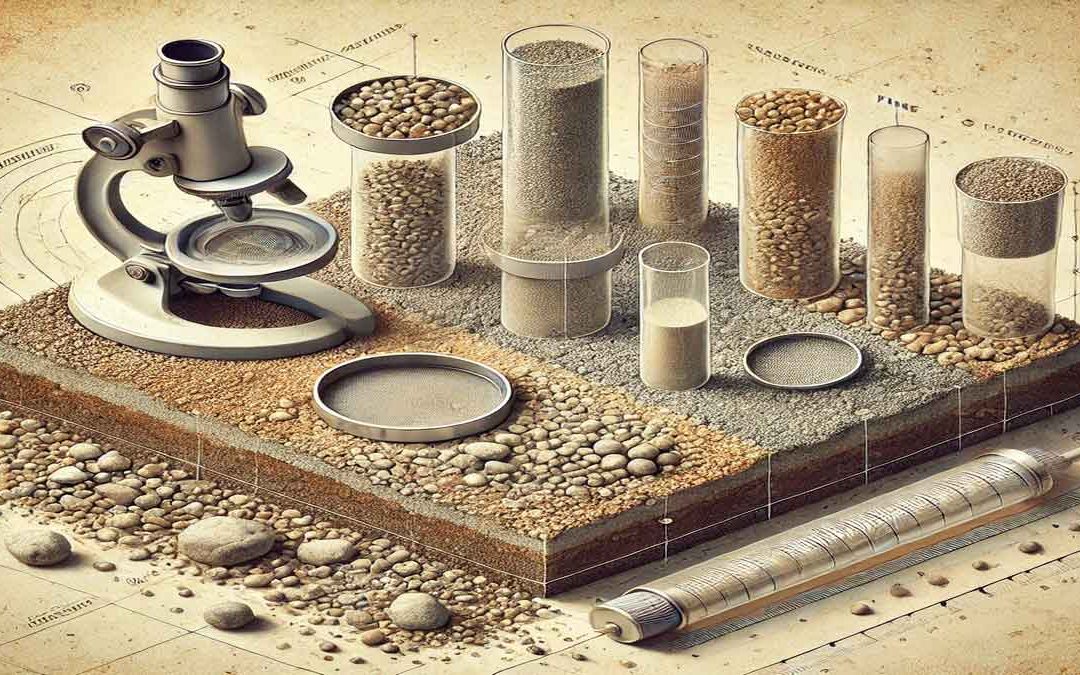 Grain size classifies sedimentary particles from coarse gravel to fine clay using scales like Udden’s and Atterberg’s. Analysis methods include direct measurement, sieving, microscopy, and settling tubes, based on particle size. Understanding grain size helps in...