
Latest Post & Case Study
Recent Post
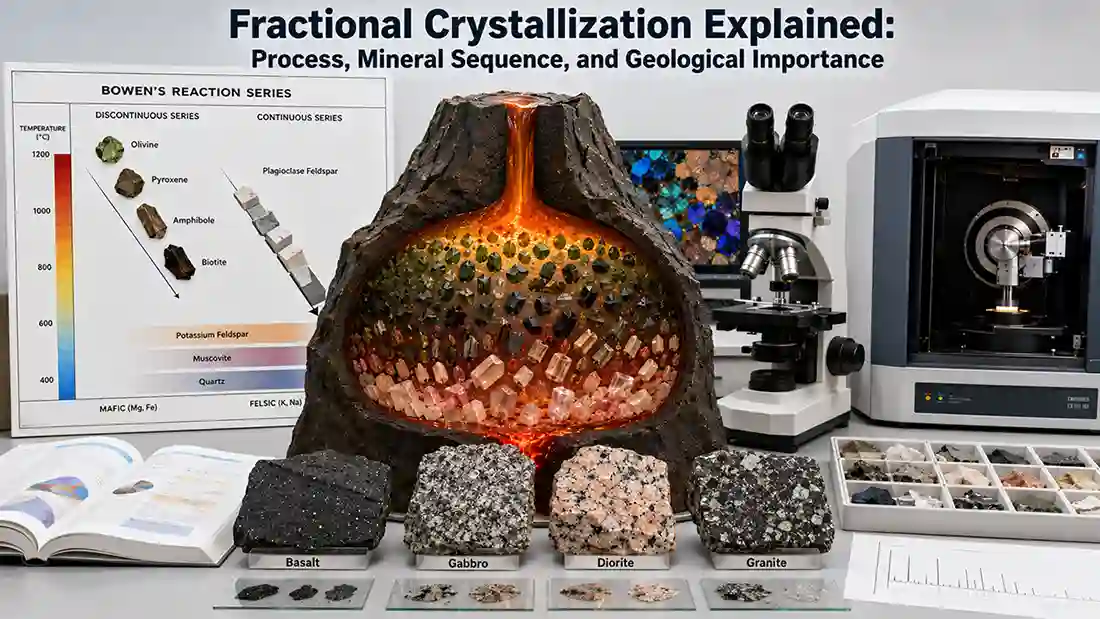
Fractional Crystallization Explained: Process, Mineral Sequence, and Geological Importance
Fractional crystallization is one of the most important processes in igneous petrology. It explains how a single body...
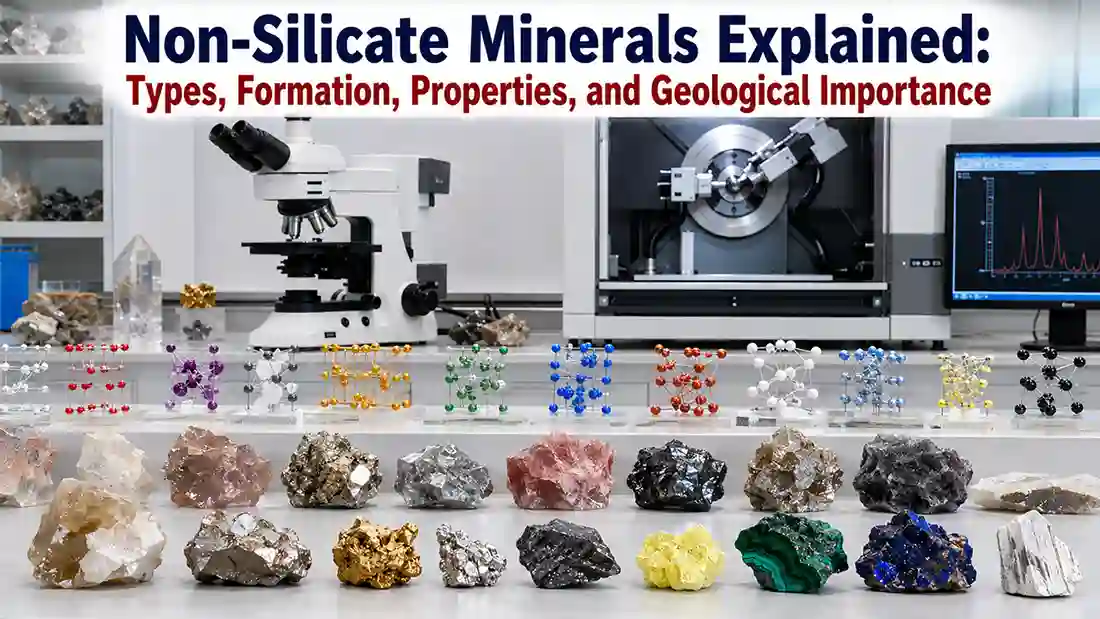
Non-Silicate Minerals Explained: Types, Formation, Properties, and Geological Importance
Non-silicate minerals are all minerals that do not contain the silicon-oxygen tetrahedron (SiO₄⁴⁻) as their primary...
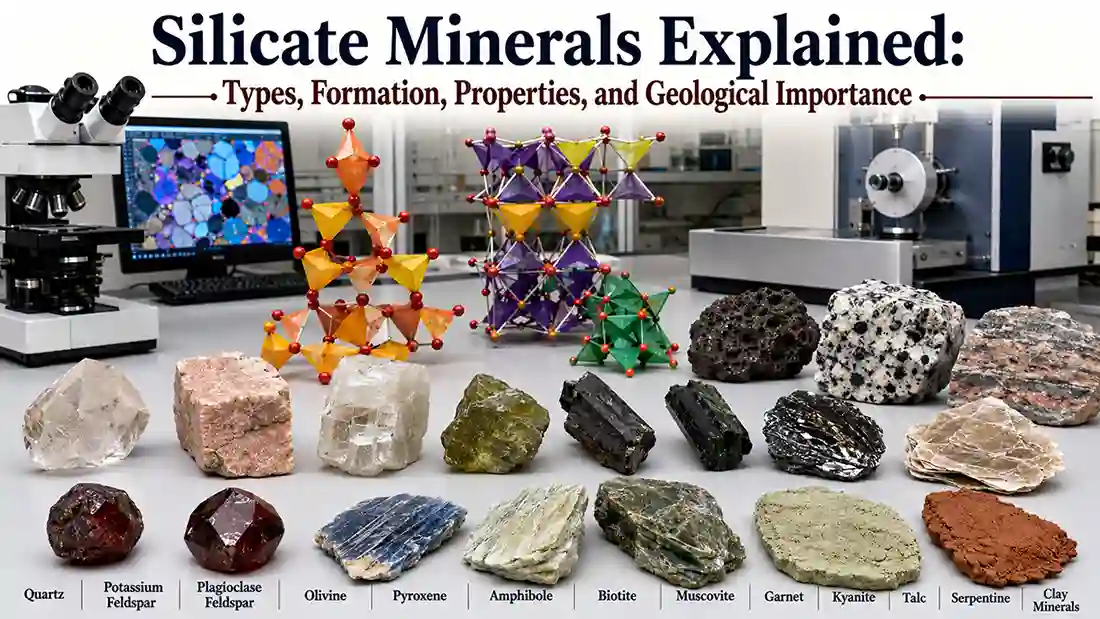
Silicate Minerals Explained: Types, Formation, Properties, and Geological Importance
Silicate minerals are the most abundant mineral group on Earth, making up approximately 90% of Earth's crust and a...
Mineralogy & Petrology
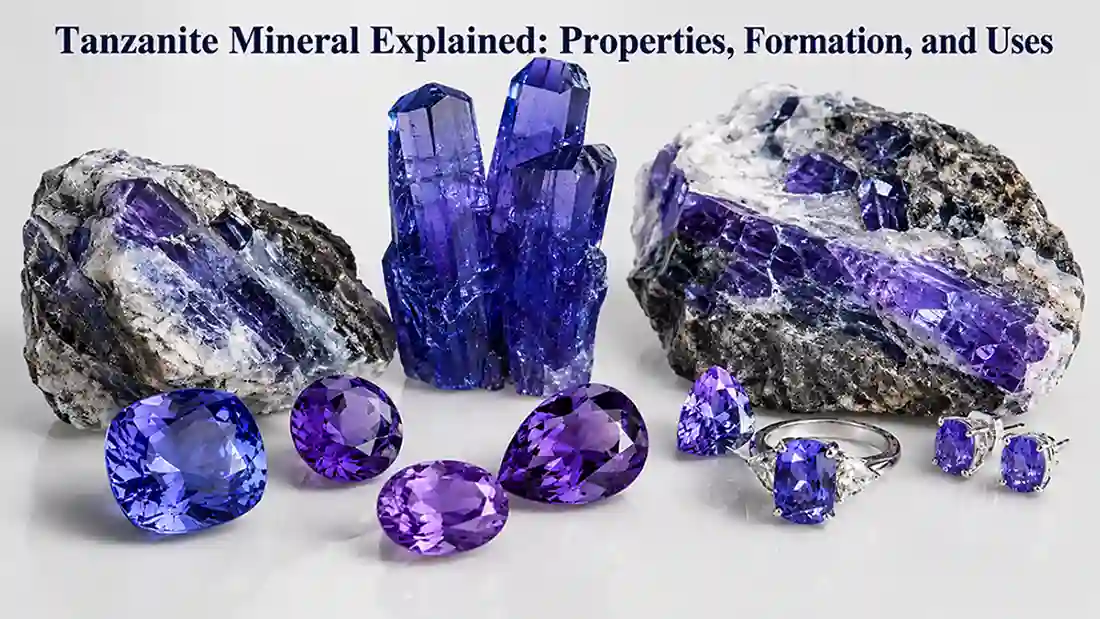
Tanzanite Mineral Explained: Properties, Formation, and Uses
Tanzanite is one of the world's rarest and most valuable gemstones. Known for its striking blue-violet color,...
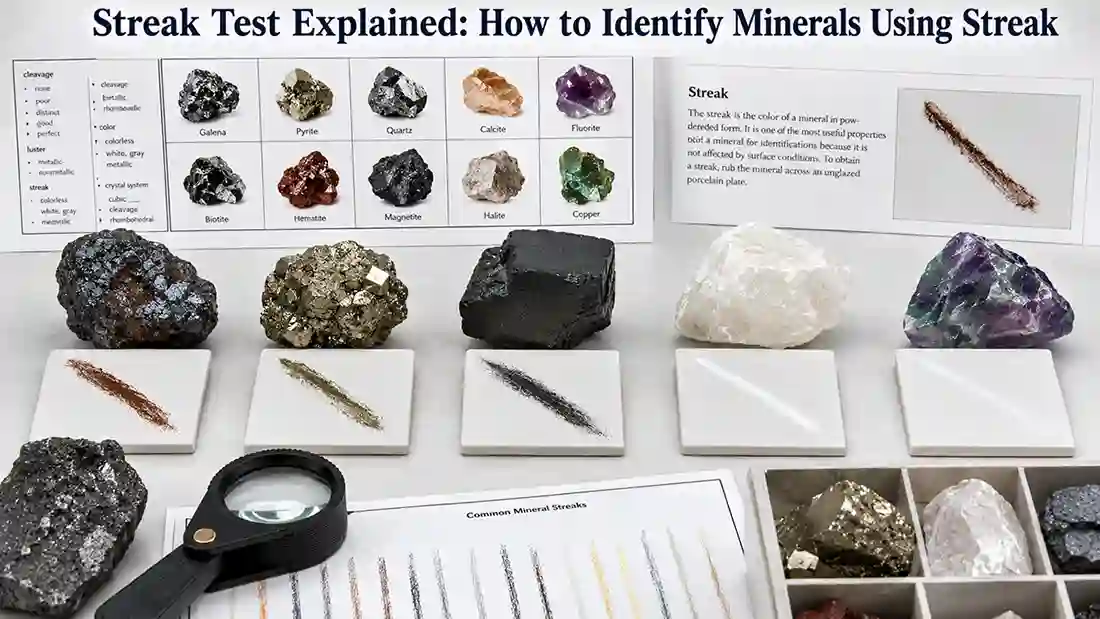
Streak Test Explained: How to Identify Minerals Using Streak
The streak test is one of the simplest and most reliable methods used to identify minerals. While a mineral's surface...
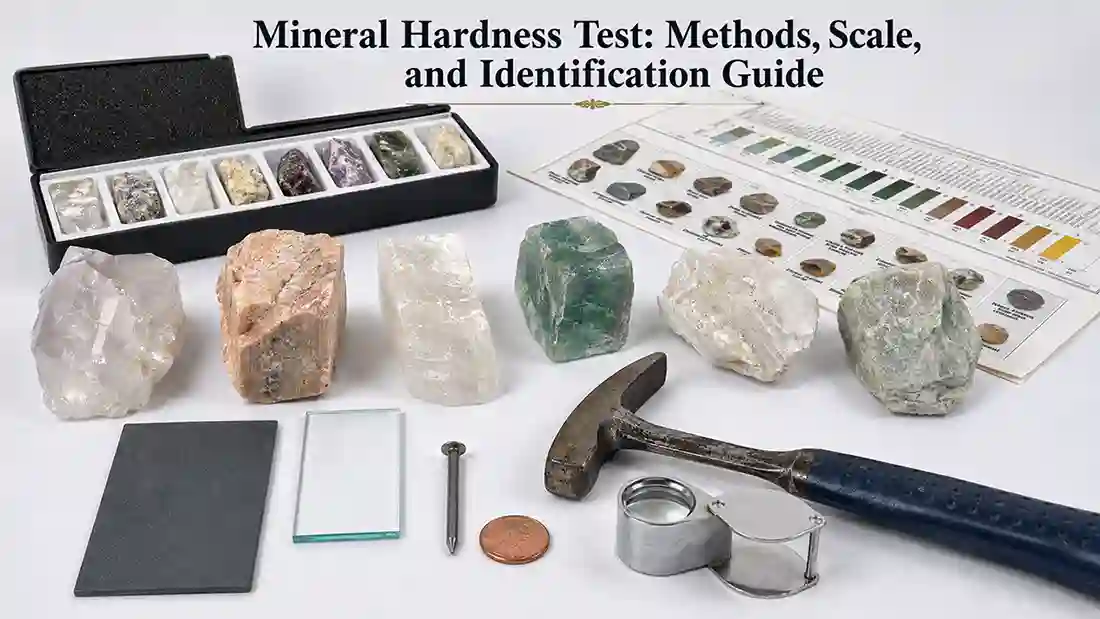
Mineral Hardness Test: Methods, Scale, and Identification Guide
One of the most important methods used in mineral identification is the mineral hardness test. Hardness helps...
Geology & Earth Science
No Results Found
The page you requested could not be found. Try refining your search, or use the navigation above to locate the post.
Paleontology
No Results Found
The page you requested could not be found. Try refining your search, or use the navigation above to locate the post.
Solar System
No Results Found
The page you requested could not be found. Try refining your search, or use the navigation above to locate the post.