by Gelogia | Mar 13, 2026 | Solar System
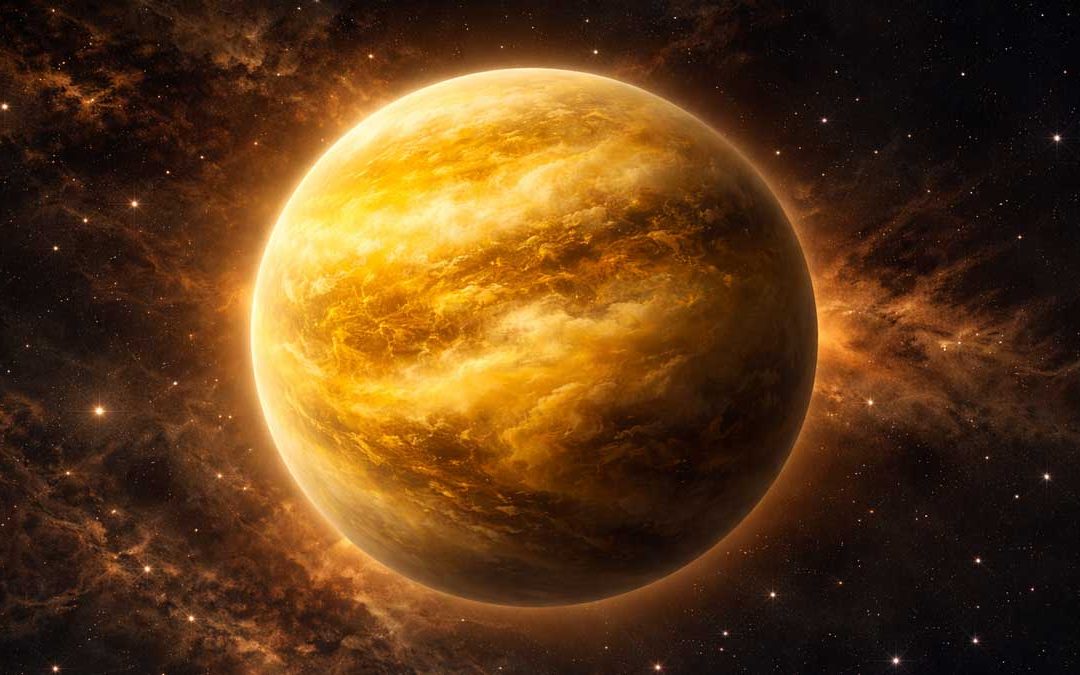
Venus is the second planet from the Sun and the hottest planet in the solar system. Although Mercury is closer to the Sun, Venus becomes much hotter because of its extremely thick atmosphere, which traps heat through a powerful greenhouse effect. Often called Earth’s...
by Gelogia | Mar 13, 2026 | Solar System
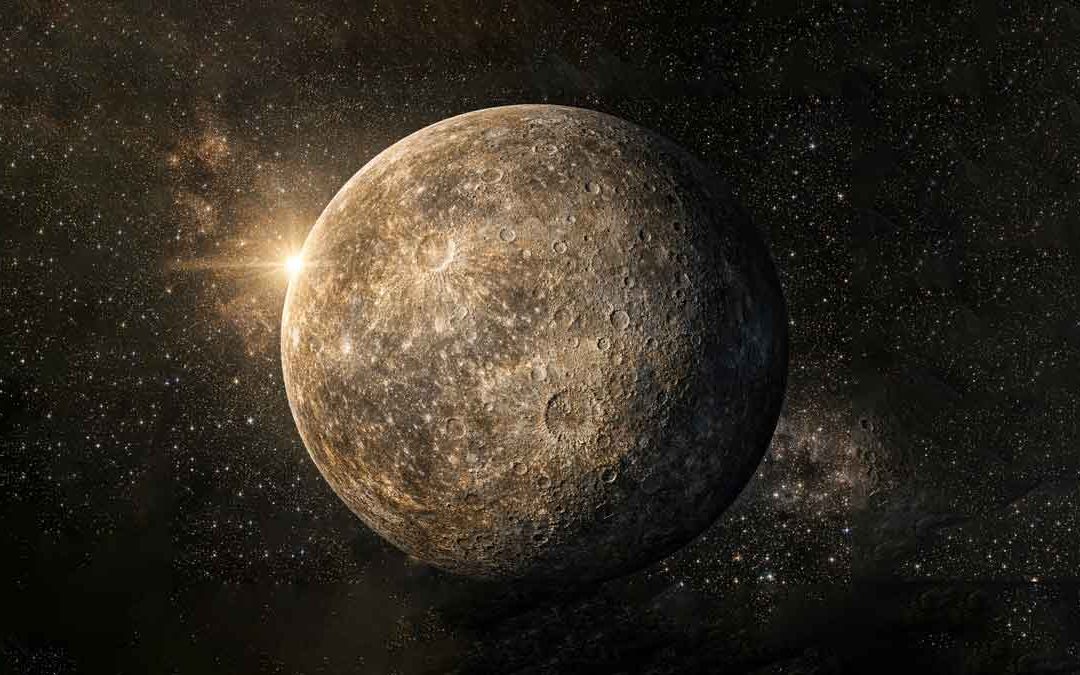
Mercury is the closest planet to the Sun and the smallest planet in the solar system. Despite being so near to the Sun, Mercury is not the hottest planet — that title actually belongs to Venus. Because Mercury is small and lacks a thick atmosphere, it experiences...
by Gelogia | Jul 4, 2025 | Hydrology
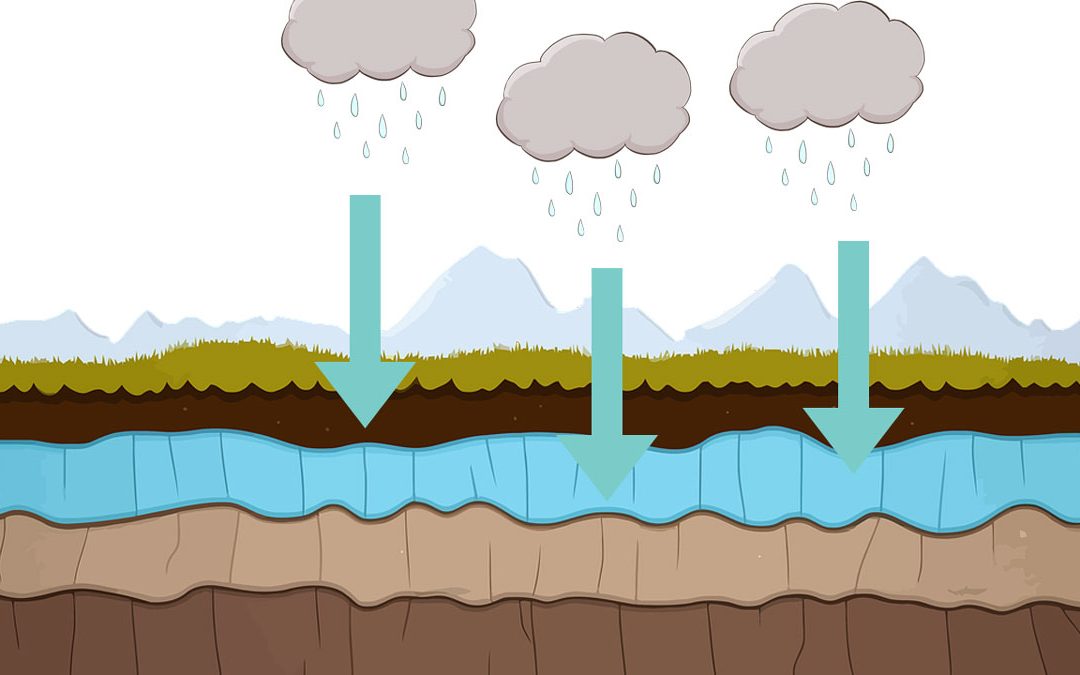
A material is permeable if it contains continuous voids. All materials, such as rocks, concrete, soils, etc., are permeable. The flow of water through all of them obeys approximately the same laws. Hence, the difference between the flow of water through rock or...
by Gelogia | Feb 8, 2025 | Structural Geology
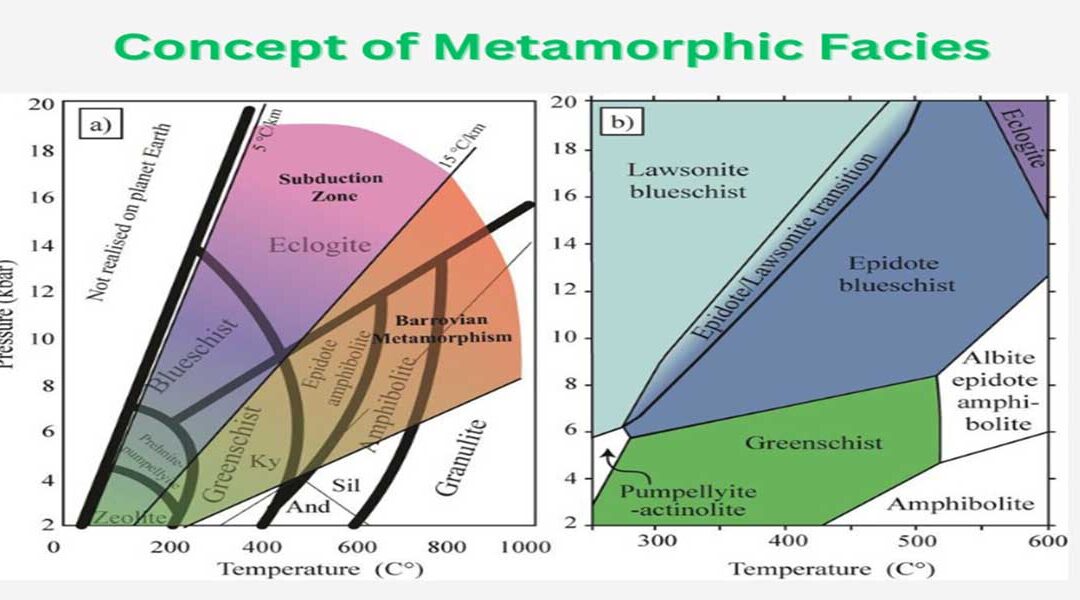
The Concept of Metamorphic Facies, introduced by Eskola in 1915, classifies metamorphic rocks based on mineral assemblages formed under specific temperature and pressure conditions. Each facies represents a distinct P-T field, aiding in the study of metamorphic...
by Gelogia | Feb 8, 2025 | Petrology, Structural Geology
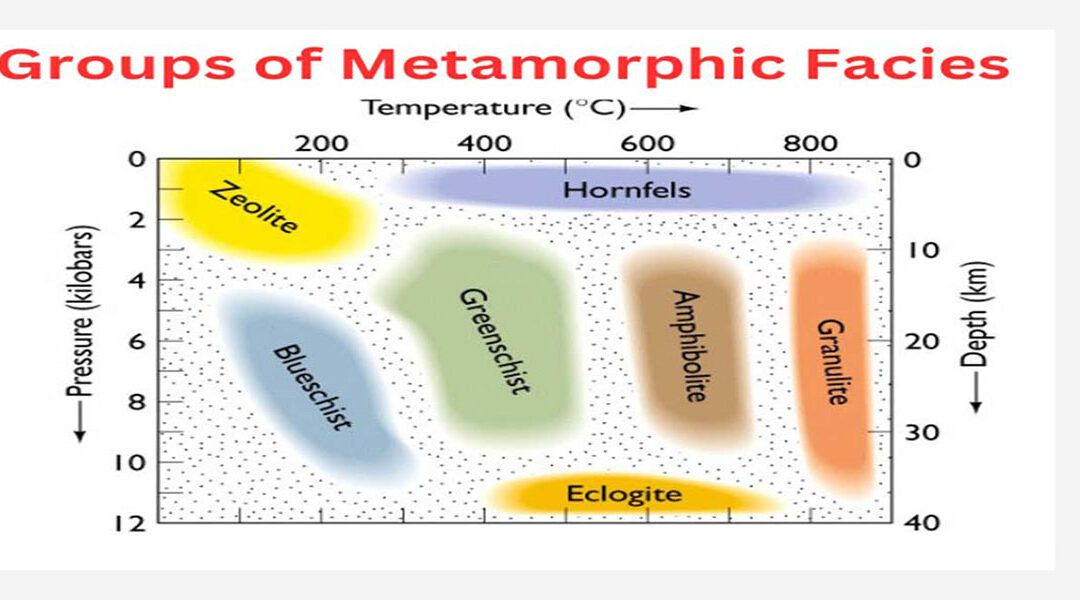
What are Metamorphic Facies? A metamorphic facies consists of metamorphic mineral assemblages that repeatedly develop in rocks with various bulk chemical compositions across different locations and times, reflecting specific metamorphic conditions. If a rock forms...