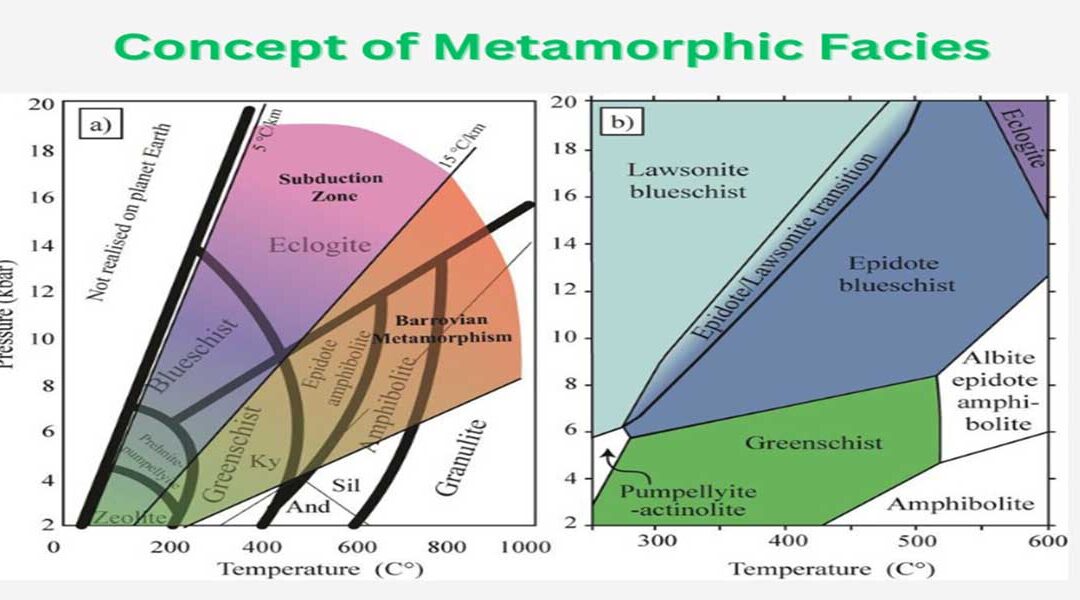
 The Concept of Metamorphic Facies, introduced by Eskola in 1915, classifies metamorphic rocks based on mineral assemblages formed under specific temperature and pressure conditions. Each facies represents a distinct P-T field, aiding in the study of metamorphic...
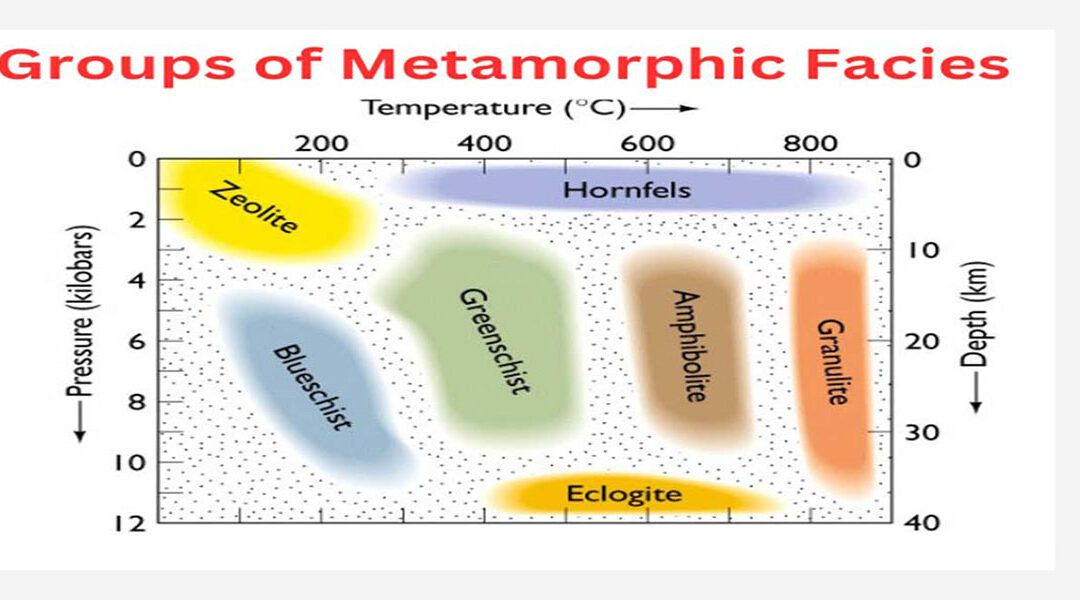 What are Metamorphic Facies? A metamorphic facies consists of metamorphic mineral assemblages that repeatedly develop in rocks with various bulk chemical compositions across different locations and times, reflecting specific metamorphic conditions. If a rock forms...
 Types of Protoliths: The following rock properties allow the recognition of protoliths: Relict fabrics: In low-grade metamorphic rocks where recrystallization has not created large new grains or substantial deformation has not taken place, boundaries of original...
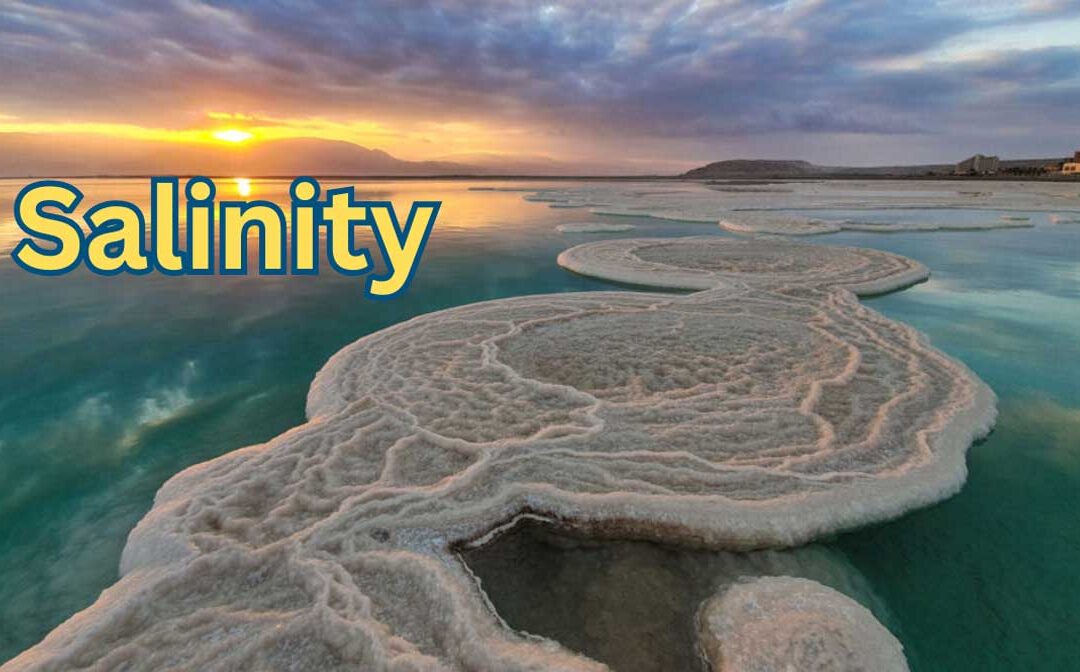 Salinity makes an extraordinary tracer of water motion inside the ocean. Hence, it’s far routinely measured, at the side of any other conservative tracer, temperature. The salinity of seawater commonly averages around 35 ppt, which means 35 grams of salt in step...
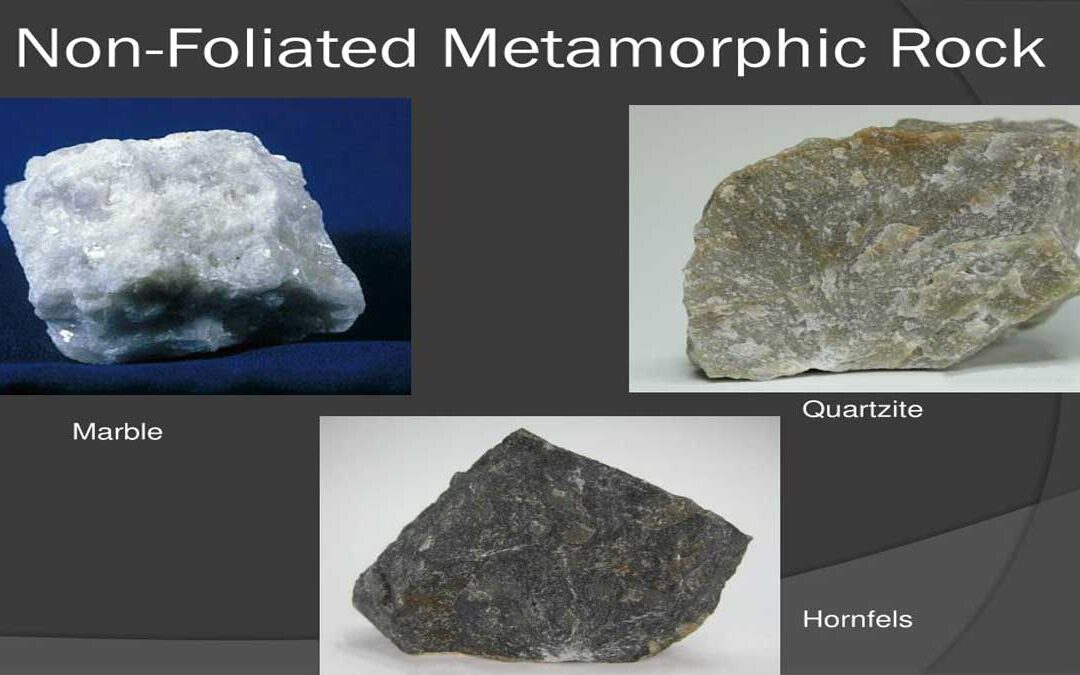 Non-foliated rocks are metamorphic rocks without a layered structure, forming under uniform pressure or due to mineral composition. Common types include marble, quartzite, hornfels, granofels, and amphibolite, each with unique textures and properties. What are...
