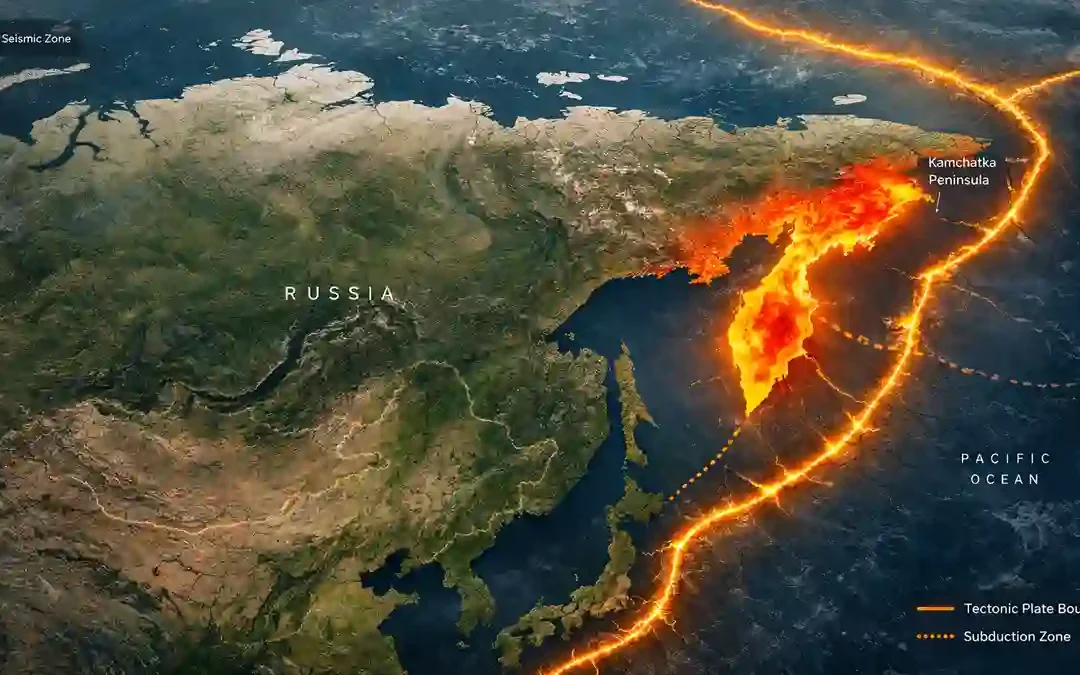
 Most people don’t think of Russia as an earthquake-prone country — and in many areas, that’s true. But the full picture is more interesting. Russia is split between extremely stable land and highly active seismic zones, especially in the Far East. That contrast makes...
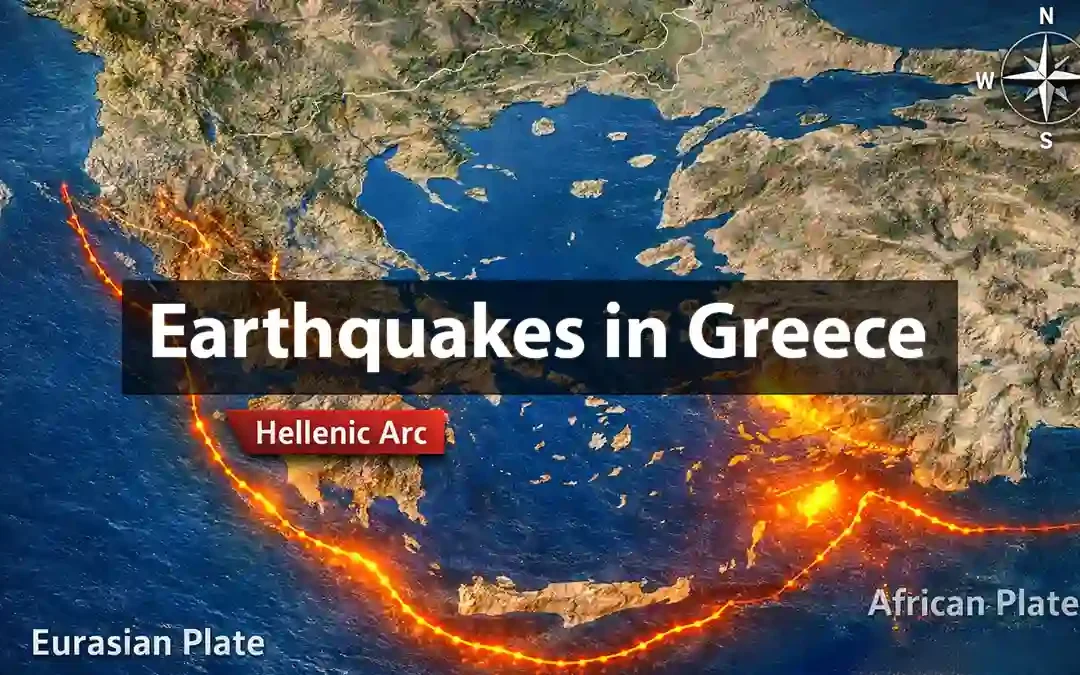 Greece is one of the most earthquake-prone countries in Europe. While many people associate earthquakes with places like California or Japan, Greece experiences frequent seismic activity due to its unique geological position. To understand the basics, see our guide on...
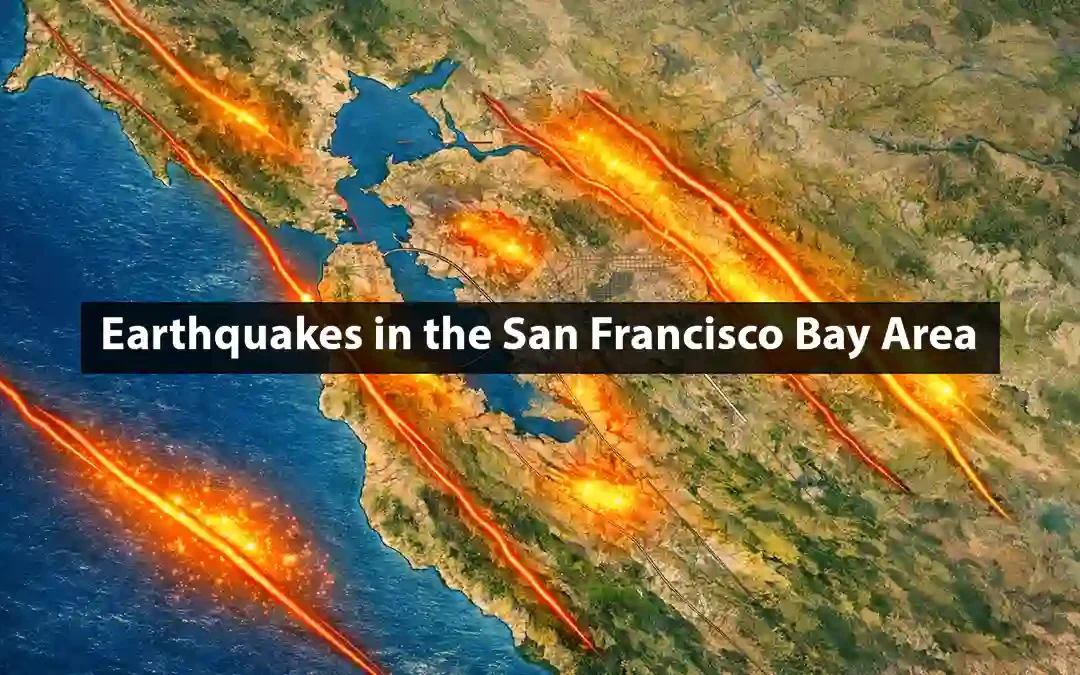 The San Francisco Bay Area is one of the most earthquake-prone regions in the United States. Unlike a single city, the Bay Area sits on a complex network of active faults — meaning earthquakes can originate from multiple locations across the region. To understand the...
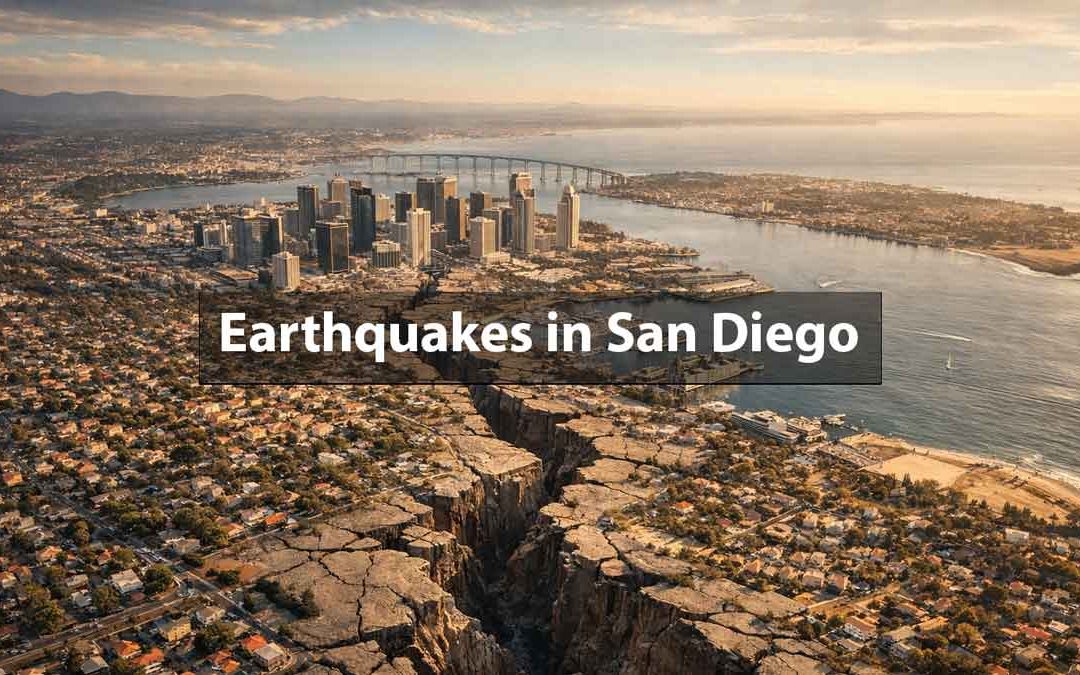 San Diego isn’t usually the first city people think of when it comes to earthquakes — but that doesn’t mean it’s risk-free. In reality, San Diego sits in an active seismic region influenced by multiple nearby fault systems. To understand the basics, see our guide on...
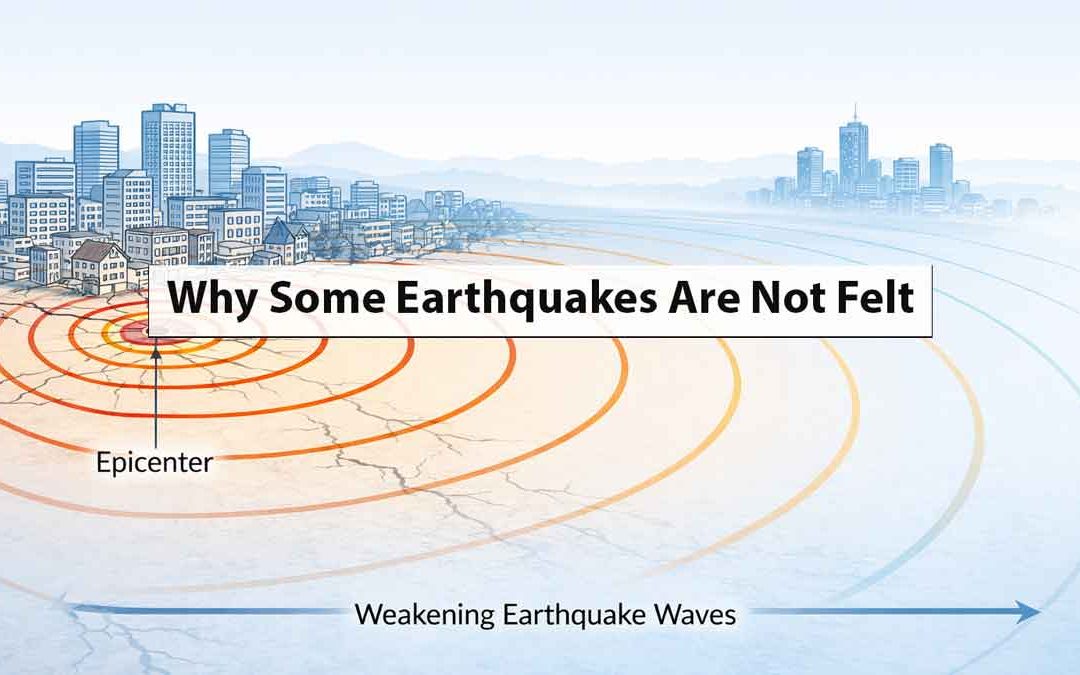 Not every earthquake causes noticeable shaking. In fact, most earthquakes happen without people even realizing it. The reason comes down to how energy travels through the Earth — and how strong that energy is by the time it reaches you. To understand the basics, see...
