 Chronostratigraphy is the branch of stratigraphy that deals with the temporal relationships between rock layers. A chronostratigraphic unit refers to a block of rock that formed during a particular geological time (Salvador, 1994). Chronostratigraphy (and Geological...
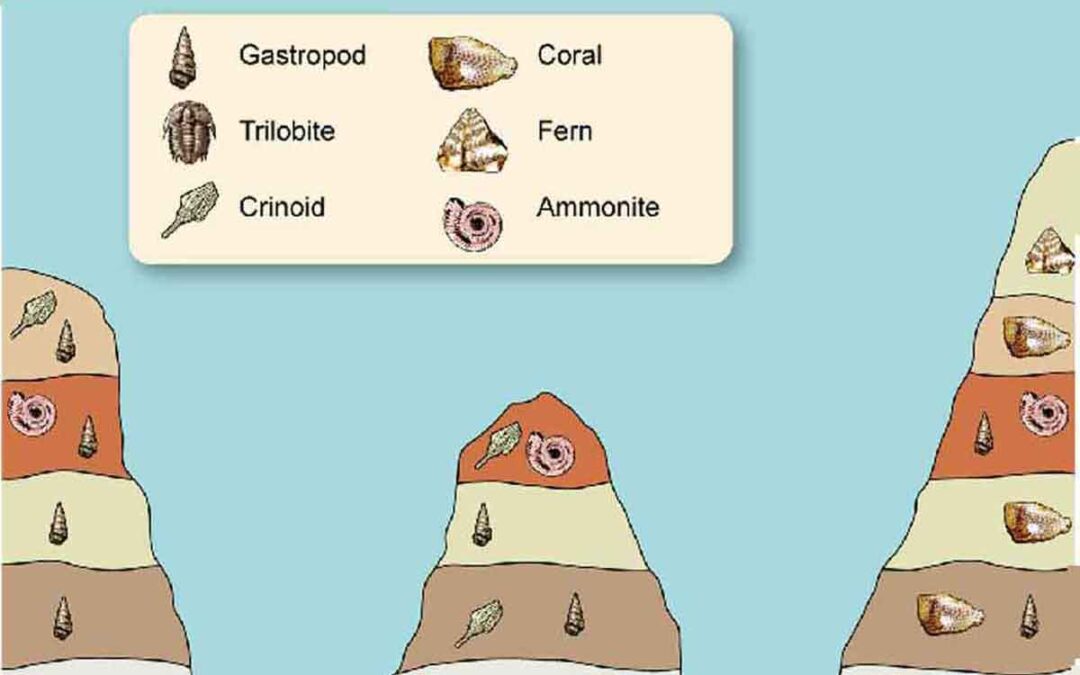 Biostratigraphy is the characterization and correlation of rock units based on their fossil content. It is based on the principle that organisms have undergone successive changes throughout geologic time. Biostratigraphic Units: Rock strata form a biostratigraphic...
 Lithostratigraphy – deals with the lithology or physical properties of strata and their organization into units based on their lithological character. Lithostratigraphy Philosophy and Concept: Perhaps the most fundamental type of stratigraphic study is recognition,...
 The science of mineralogy is a branch of the earth sciences that studies minerals and their physical and chemical properties. Within mineralogy, some study how minerals are formed, where they are geographically located, and their potential uses. Mineral: A mineral is...
 Gravity and force are two powerful forces that shape the world as we know it. From holding us to the ground to keeping planets in orbit, gravity and force are fundamental to our universe’s natural laws. What is Gravity? Gravitation refers to the attractive force...
