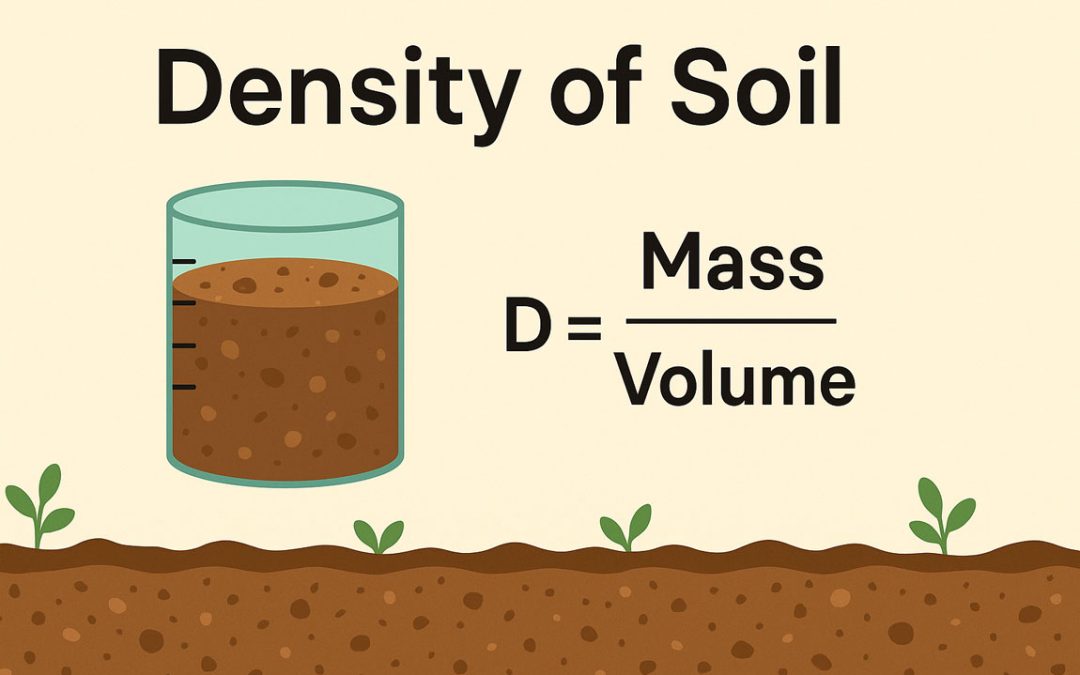
 The density of soil refers to the mass of soil within a given volume. It helps us understand how compact or loose the soil is, which is important for construction, farming, and soil testing. Different types of soil density, like bulk density, dry density, saturated...
 A tunnel is a horizontal or slightly inclined underground passage that runs through rock or unconsolidated materials and remains open at both ends. Commonly circular, semicircular, or horseshoe-shaped, tunnels serve various purposes such as water conveyance,...
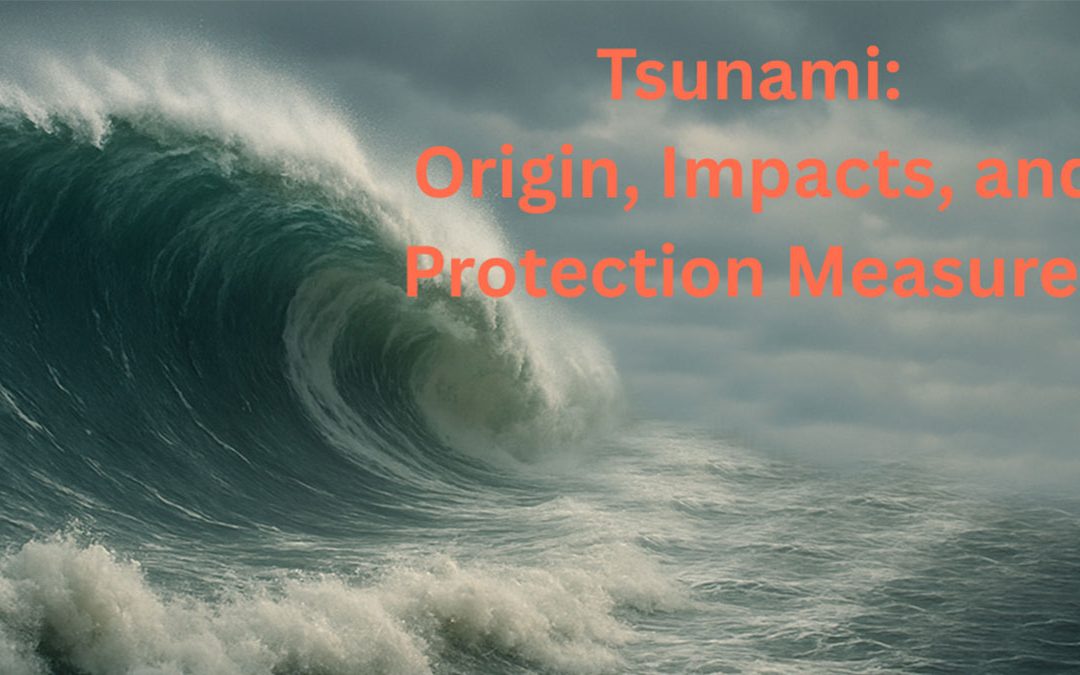 A tsunami is one of nature’s most powerful and destructive forces, causing immense devastation along coastal regions. Unlike ordinary tidal waves, tsunamis are triggered by undersea earthquakes, volcanic eruptions, or seabed movements. These events send high-speed...
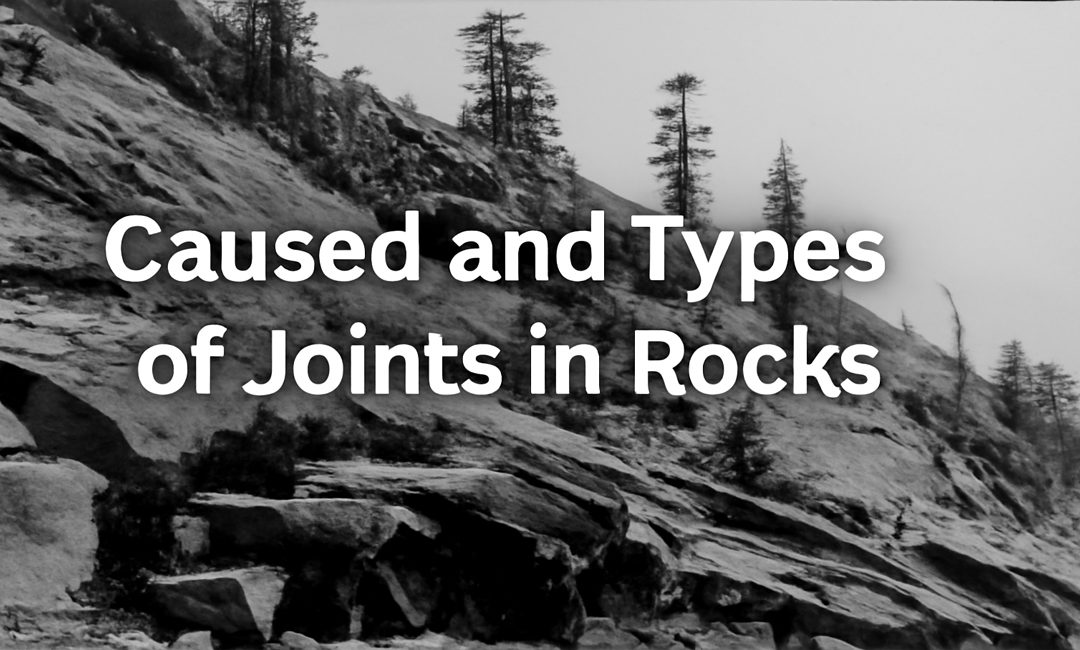 Joints are natural cracks or fractures in rocks that form when stress exceeds the rock’s strength. Unlike faults, they show little or no movement along the fracture. Joints typically appear in sets with regular patterns and result from factors like rock type, stress...
 Metallic minerals are essential resources for industrial and economic development. Found in various forms across geological formations, these minerals, such as gold, iron, copper, and others, contribute to sectors such as construction, manufacturing, electronics, and...
