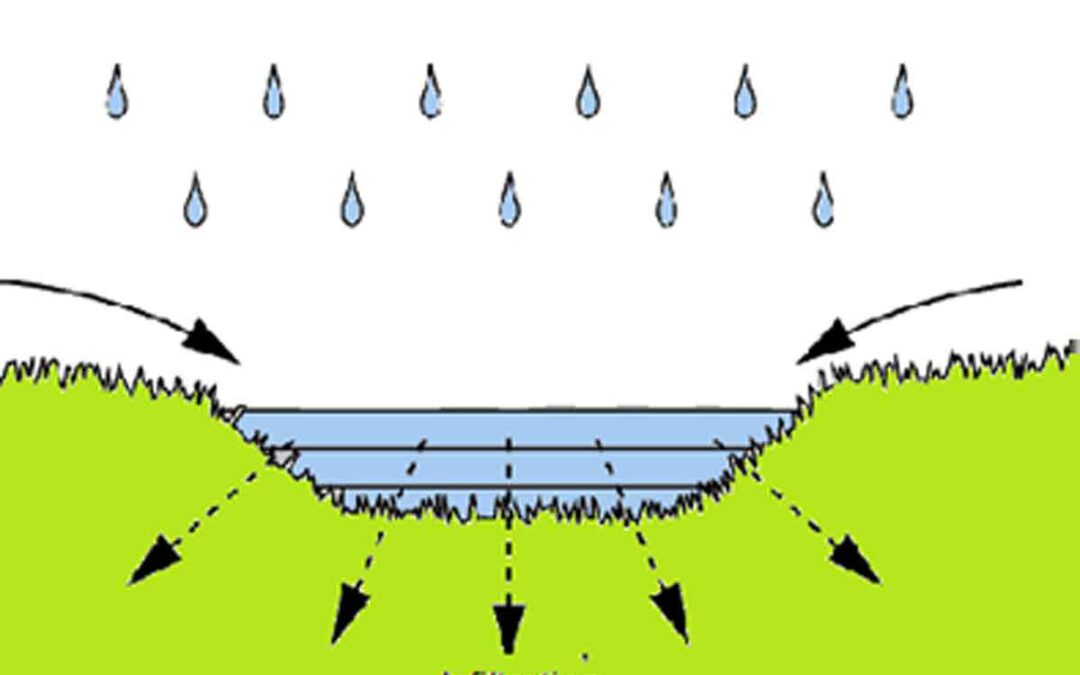
 Infiltration is a crucial process in the hydrological cycle. It plays a vital role in maintaining groundwater levels and preventing surface runoff. It has direct implications for agriculture, water management, and environmental sustainability. Infiltration: The...
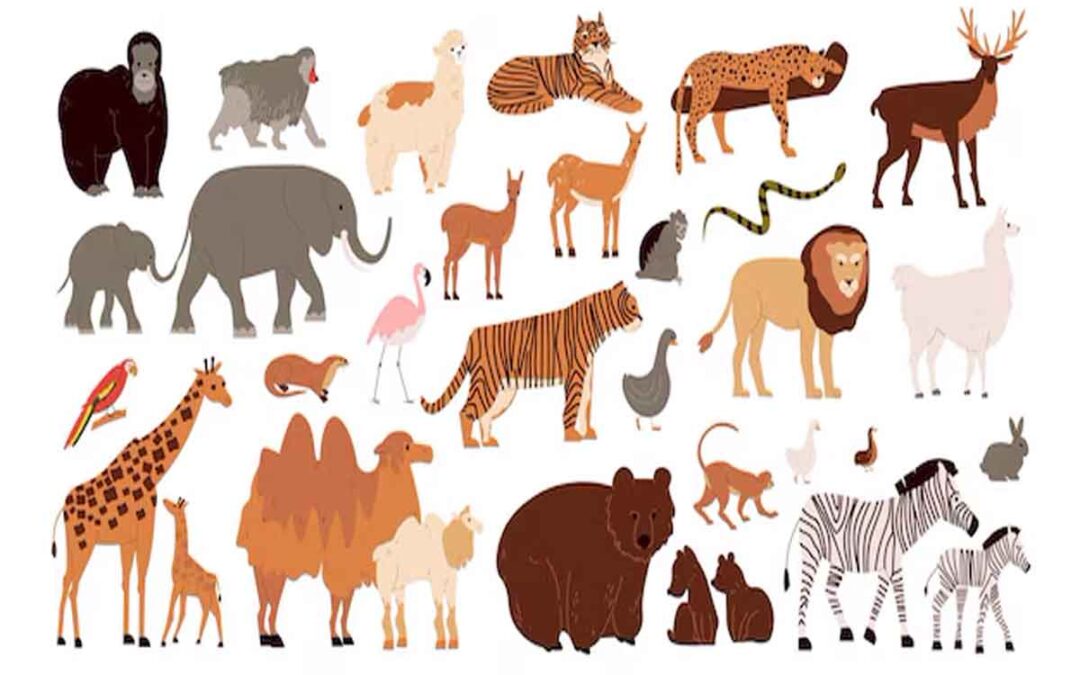 Mammals comprise a remarkably varied group of animals, with estimates ranging from 5,000 to 5,500 species that have adapted to thrive in numerous environments. While most species inhabit terrestrial ecosystems, some, such as otters, seals, and dolphins, have made...
 Limestone is one of the most widespread rocks on Earth, known for its diverse uses in various industries and natural landscapes. This sedimentary rock was formed over millions of years by the accumulation and compression of marine organisms, especially shells and...
 Chronostratigraphy is the branch of stratigraphy that deals with the temporal relationships between rock layers. A chronostratigraphic unit refers to a block of rock that formed during a particular geological time (Salvador, 1994). Chronostratigraphy (and Geological...
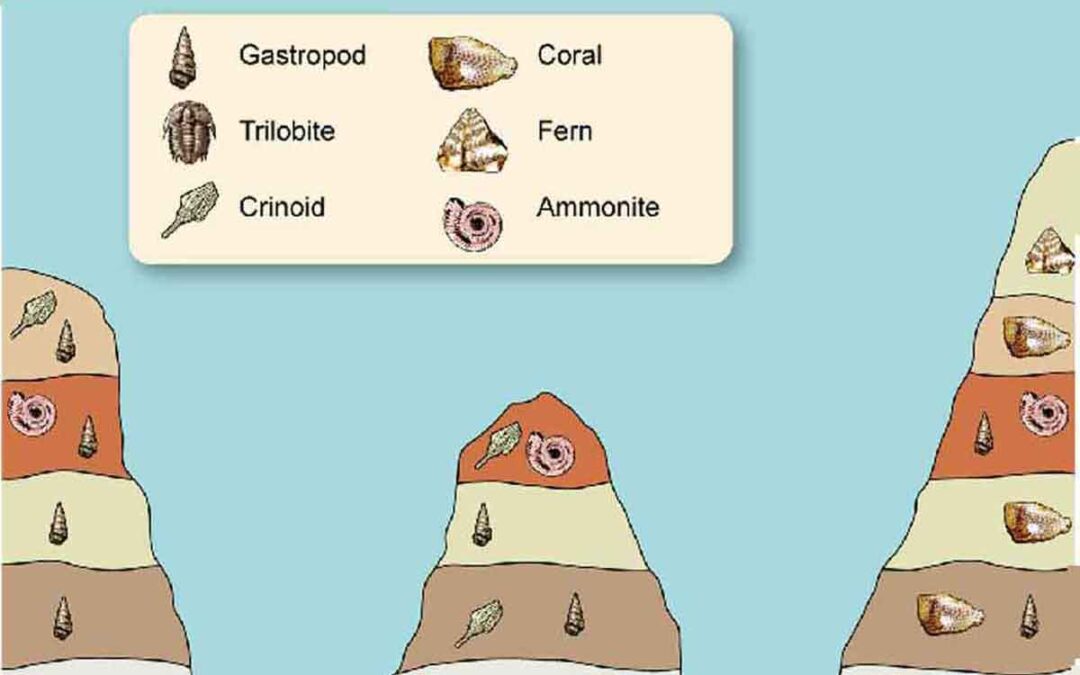 Biostratigraphy is the characterization and correlation of rock units based on their fossil content. It is based on the principle that organisms have undergone successive changes throughout geologic time. Biostratigraphic Units: Rock strata form a biostratigraphic...
 Lithostratigraphy – deals with the lithology or physical properties of strata and their organization into units based on their lithological character. Lithostratigraphy Philosophy and Concept: Perhaps the most fundamental type of stratigraphic study is recognition,...
