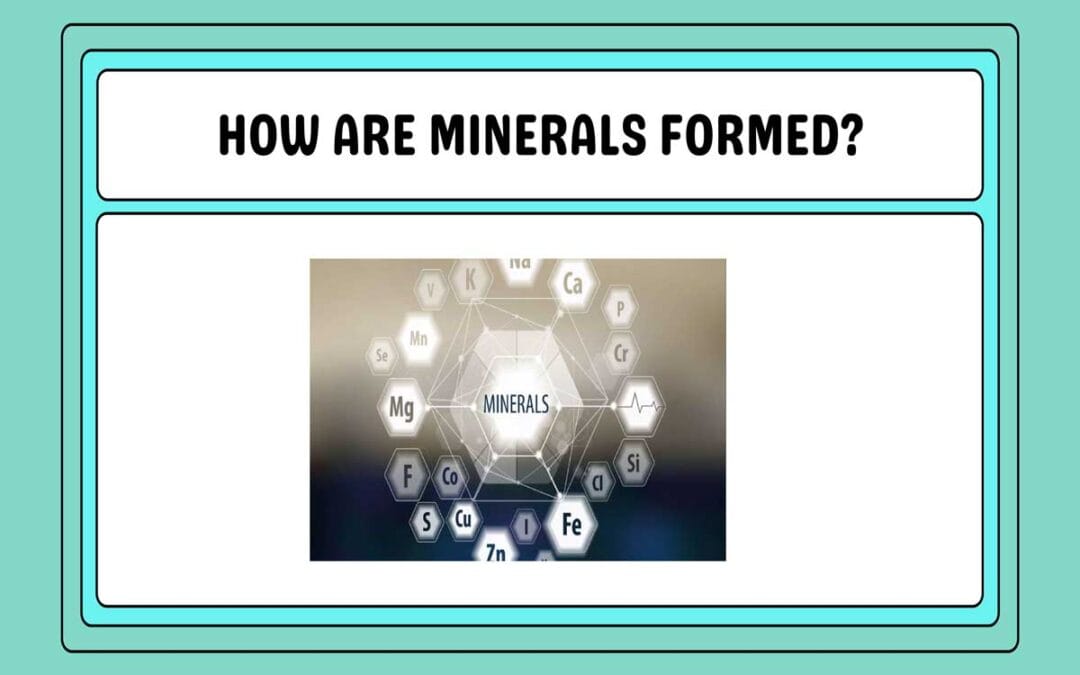
 The science of mineralogy is a branch of the earth sciences that studies minerals and their physical and chemical properties. Within mineralogy, some study how minerals are formed, where they are geographically located, and their potential uses. Mineral: A mineral is...
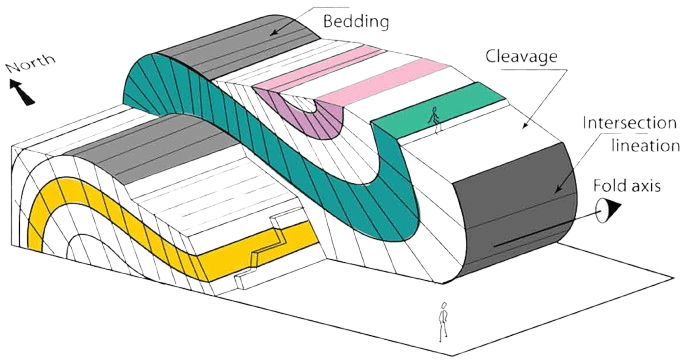 Lineation: Lineation is expressed by the parallelism of some directional property in the rock. Types of lineation: Lineation is found to develop in igneous, sedimentary, and metamorphic rocks. Lineation is of two types: primary lineation (sedimentary rocks, igneous...
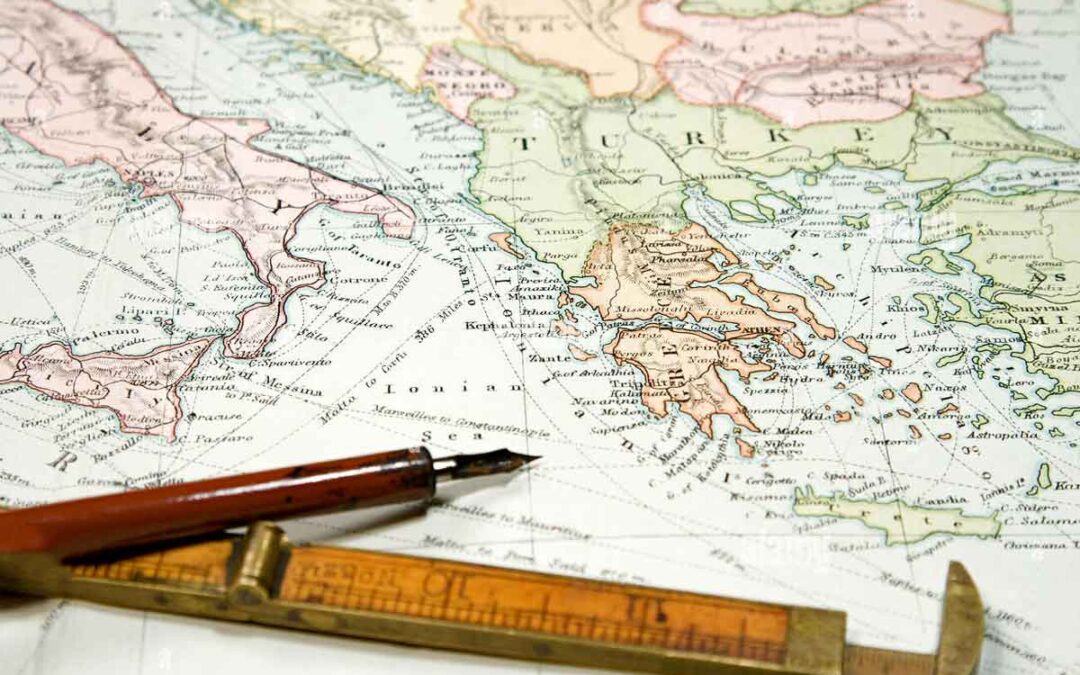 A map is a visual representation of the earth’s surface on a flat surface, showing physical, political, or other features. Map reading is the process of understanding the information on the map and how it relates to the actual ground. It’s about knowing...
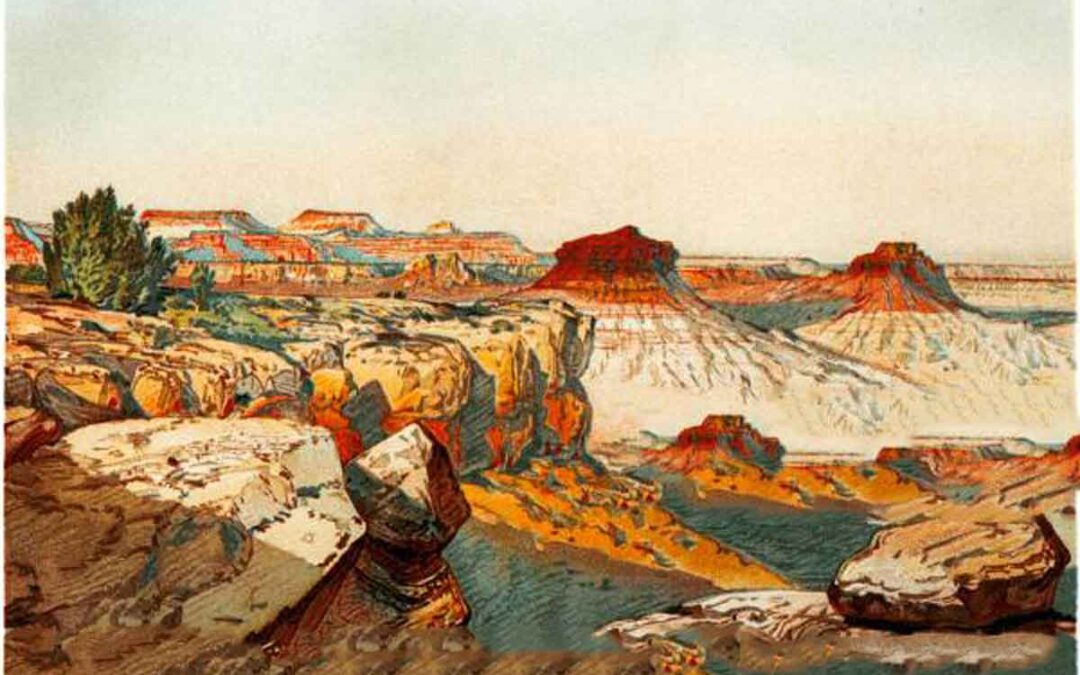 Historical geology is, however, more than just a recitation of past events. It studies a dynamic planet that has changed continuously during the past 4.6 billion years. In addition to determining what occurred in the past, geologists are also concerned with explaining...
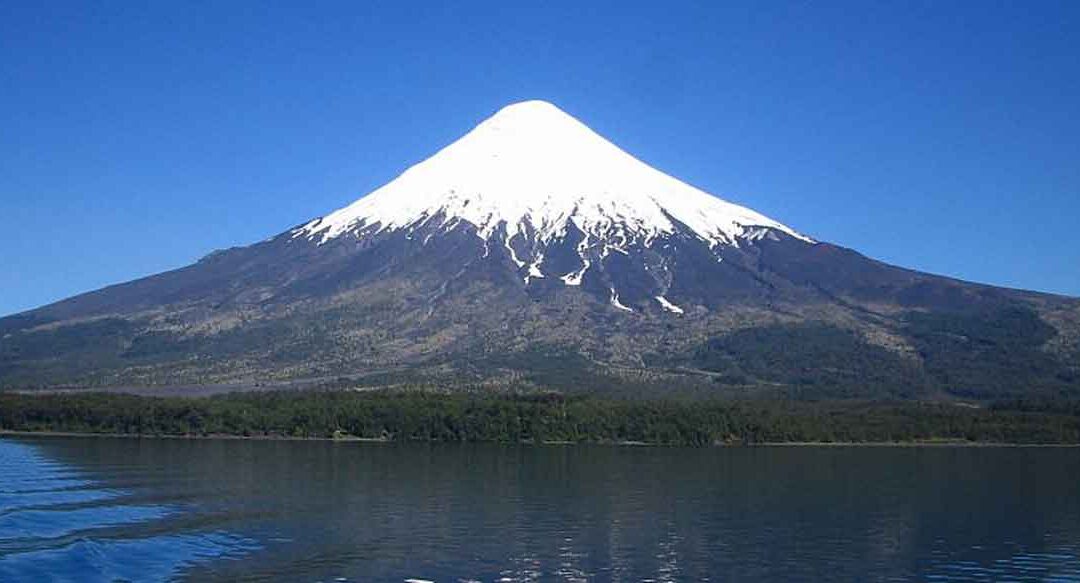 Mountain building refers to the geological process that forms mountain ranges. It is caused by plate movements such as continental collisions, volcanism, and the folding and warping of the Earth’s crust. Over millions of years, these forces shape landforms and...
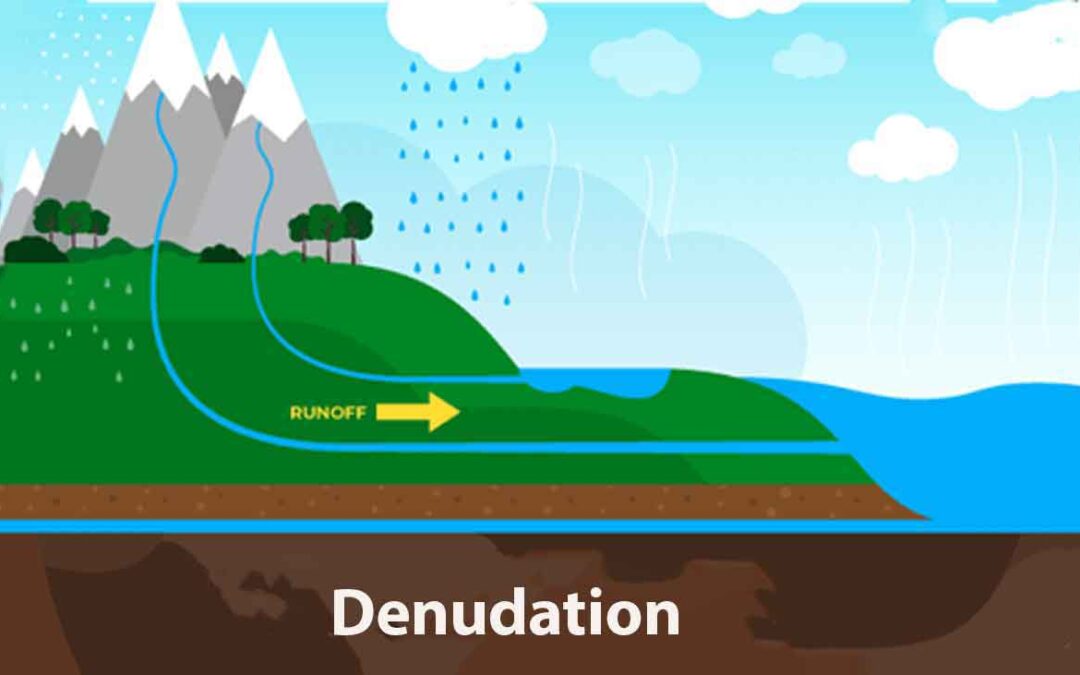 Definition: Denudation is the long-term sum of processes that cause the wearing away of the earth’s surface, reducing the elevation and relief of landforms and landscapes. Process of Denudation: Weathering : Weathering represents the preliminary phase of...
