
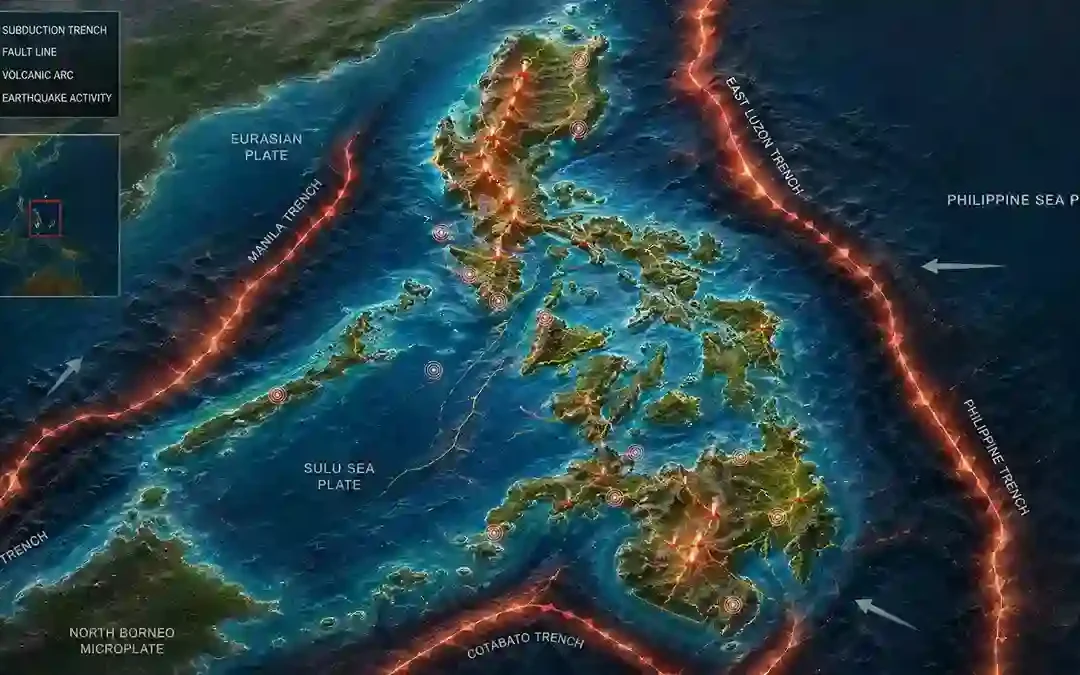
The Philippines doesn’t just have earthquakes — it has one of the most complex earthquake systems in the world.
Unlike countries with a single dominant fault or plate boundary, the Philippines sits at the intersection of multiple tectonic systems. That’s why earthquakes here can vary so much in location, depth, and impact.
If you want to understand how earthquakes begin, you can start with what is an earthquake
Earthquake Risk Zones in the Philippines (Quick Overview)
| Region | Risk Level | Main Cause |
|---|---|---|
| Eastern Philippines | Very High | Subduction zone (Philippine Sea Plate) |
| Western Philippines | Very High | Opposing subduction system |
| Central Philippines | High | Fault interaction |
| Manila Region | High | Fault systems + soil effects |
| Palawan | Low | More stable crust |
To understand how these zones form, you can explore fault lines
Why Do Earthquakes Happen in the Philippines?
The Philippines is located between several major tectonic plates, including the Philippine Sea Plate.
In simple terms:
- Plates push from multiple directions
- Some plates are forced downward (subduction)
- Others slide past each other (faults)
- Stress builds in different ways across the region
This creates a multi-directional tectonic environment, which is more complex than most countries.
For a deeper breakdown, see causes of earthquakes
Major Earthquake Systems in the Philippines (Unique Insight)
Dual Subduction Trenches (Rare Geological Feature)

One of the most unique features of the Philippines is that it has subduction zones on both sides.
- Philippine Trench (east) → Plate dives westward
- Manila Trench (west) → Plate dives eastward
This creates a rare situation where tectonic pressure comes from both directions.
This is one reason earthquakes here are frequent and complex.
You can explore this type further in types of earthquakes
Philippine Fault System (Major Internal Fault)
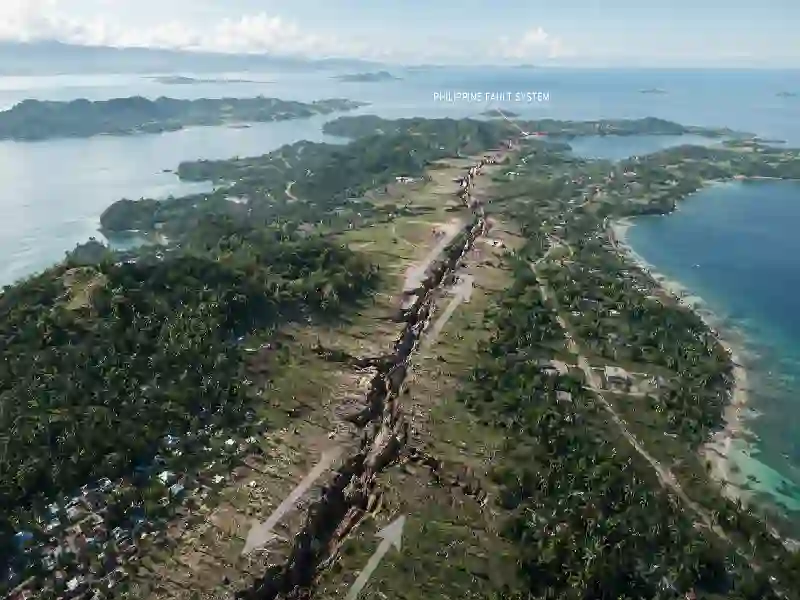
The Philippine Fault Zone runs through the country.
- Long, active fault system
- Produces shallow earthquakes
- Can directly affect populated areas
This is similar to fault systems seen in other regions, but with more fragmentation due to the island geography.
Earthquakes & Volcano Connection (Unique Angle)
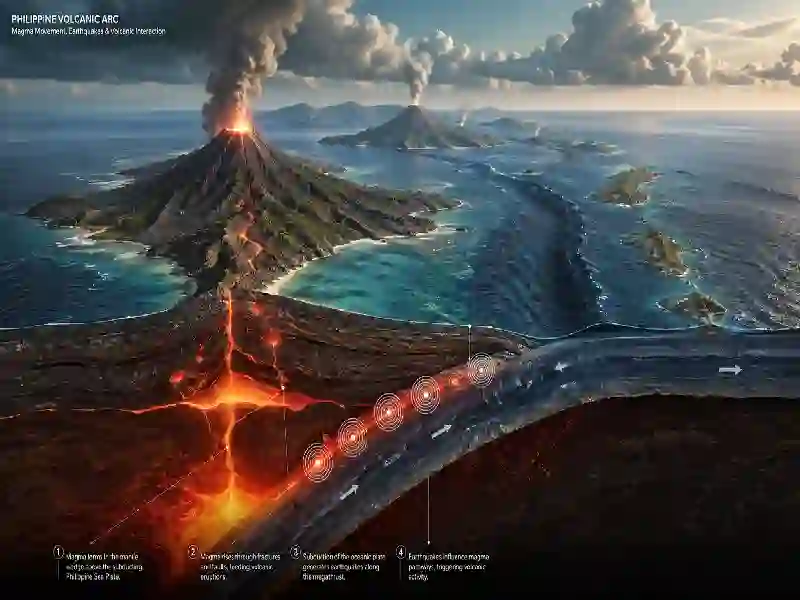
In the Philippines, earthquakes and volcanoes are closely linked.
- Both are caused by tectonic movement
- Subduction zones generate magma
- This leads to volcanic activity
This connection makes the Philippines part of one of the most active zones on Earth.
Recent Earthquake Activity in the Philippines
The Philippines experiences frequent seismic activity throughout the year.
In recent years:
- Earthquakes have occurred across different islands
- Both shallow and deep earthquakes have been recorded
- Aftershocks often follow major events
What’s interesting is that activity is spread across multiple zones, not just one region.
To understand why earthquakes repeat, explore causes of earthquakes
Notable Earthquakes in the Philippines
Real-world events show the scale of risk.
- 1976 Moro Gulf Earthquake (M7.9)
Triggered a deadly tsunami. - 1990 Luzon Earthquake (M7.7)
Caused widespread destruction in northern Philippines. - 2013 Bohol Earthquake (M7.2)
A shallow earthquake with significant local impact.
To understand magnitude vs impact, see magnitude vs intensity
Philippines vs Other Earthquake Regions
The Philippines stands out globally.
- Philippines → dual subduction + fault systems
- Indonesia → subduction + volcanic activity
- Chile → single dominant subduction zone
- California → transform fault systems like the San Andreas Fault
This makes the Philippines one of the most geologically complex regions.
Can Earthquakes in the Philippines Be Predicted?
No — earthquakes cannot be predicted precisely.
Scientists can:
- monitor seismic activity
- identify risk zones
- issue warnings
But exact timing remains uncertain.
Learn more here can earthquakes be predicted
Because it lies between multiple tectonic plates and has dual subduction zones.
Eastern and western coastal regions near trenches.
Yes — seismic activity occurs regularly.
Yes — especially near ocean trenches.
Final Thoughts
The Philippines is one of the clearest examples of how complex Earth’s tectonic system can be.
With multiple trenches, fault systems, and volcanic activity, earthquakes here are not just frequent — they are part of a dynamic and constantly evolving geological environment.
If you want to understand earthquakes globally, this region is a great place to start.