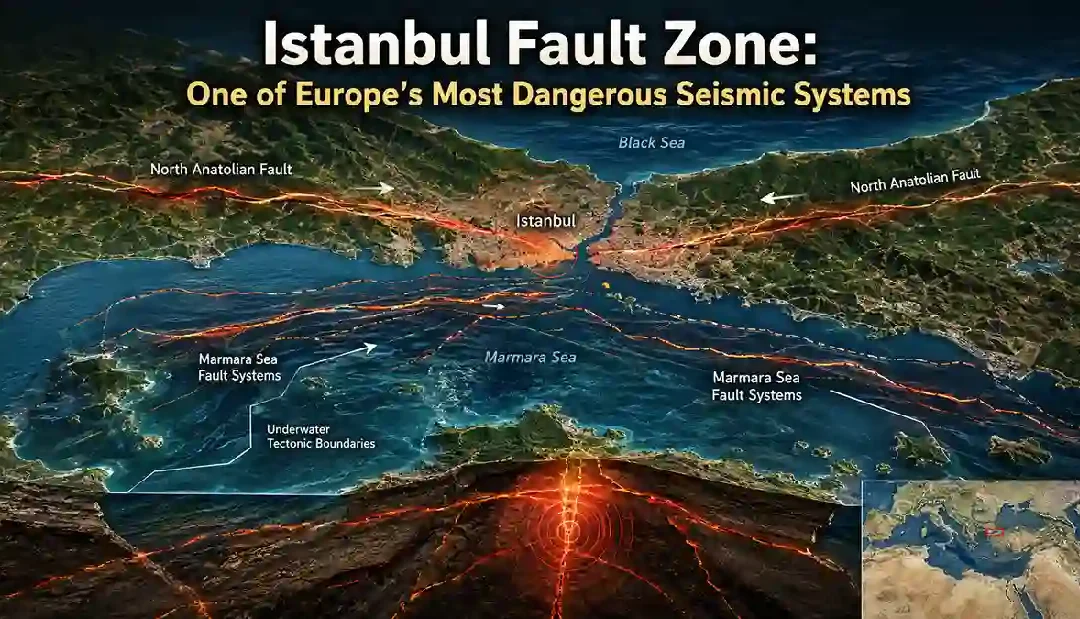
 The Istanbul fault zone is considered one of the most closely watched seismic regions in Europe. The main reason is the nearby North Anatolian Fault — a massive transform fault running beneath the Marmara Sea. This fault system lies dangerously close to Istanbul, a...
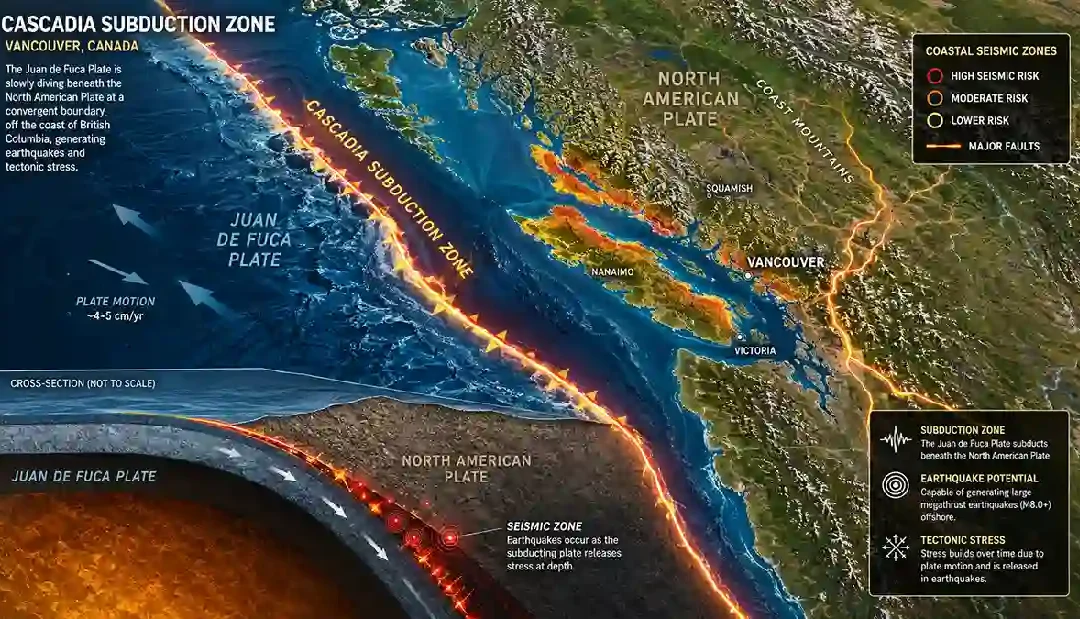 Vancouver is one of the most earthquake-risk cities in Canada. Although earthquakes are less frequent here than in places like Japan or Chile, the region sits above a massive tectonic system capable of producing extremely powerful earthquakes. The main source is the...
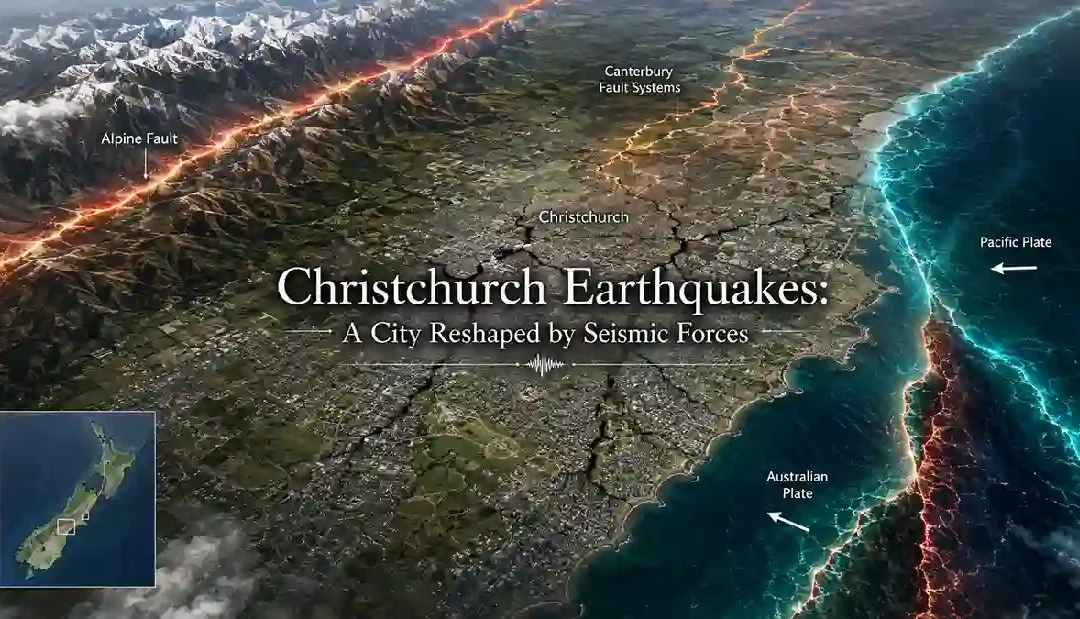 Christchurch became globally known after a devastating earthquake sequence transformed the city in the early 2010s. Today, it remains one of the most studied earthquake regions in New Zealand. Christchurch sits near the boundary between the Pacific Plate and the...
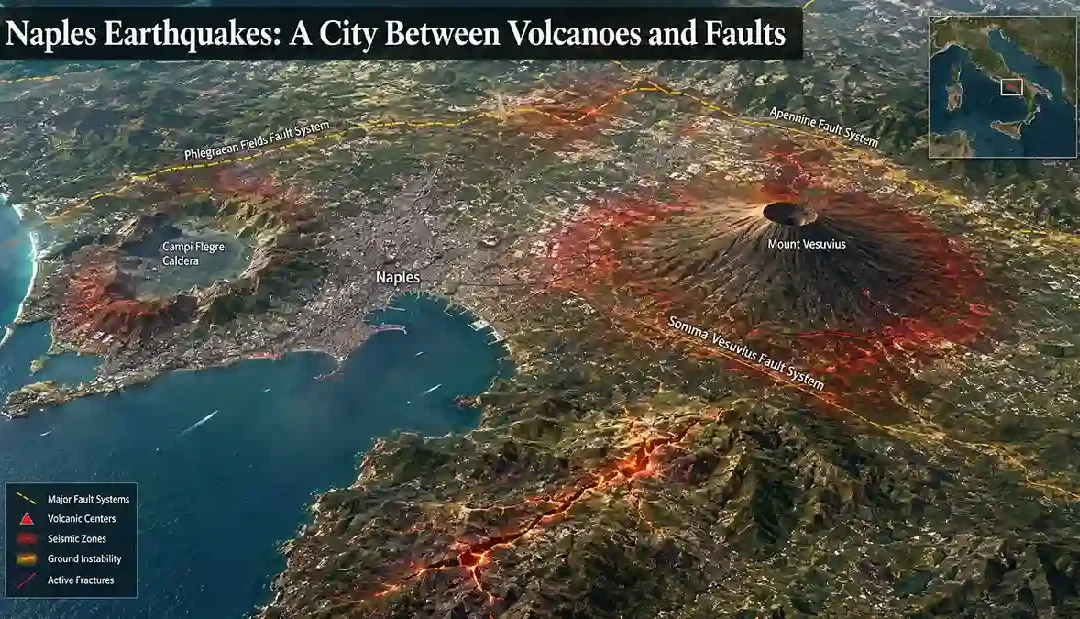 Naples is one of Europe’s most geologically complex cities. Unlike many earthquake regions that are driven mainly by tectonic plate movement, Naples faces a unique combination of volcanic activity + tectonic stress. The city sits between two major volcanic systems:...
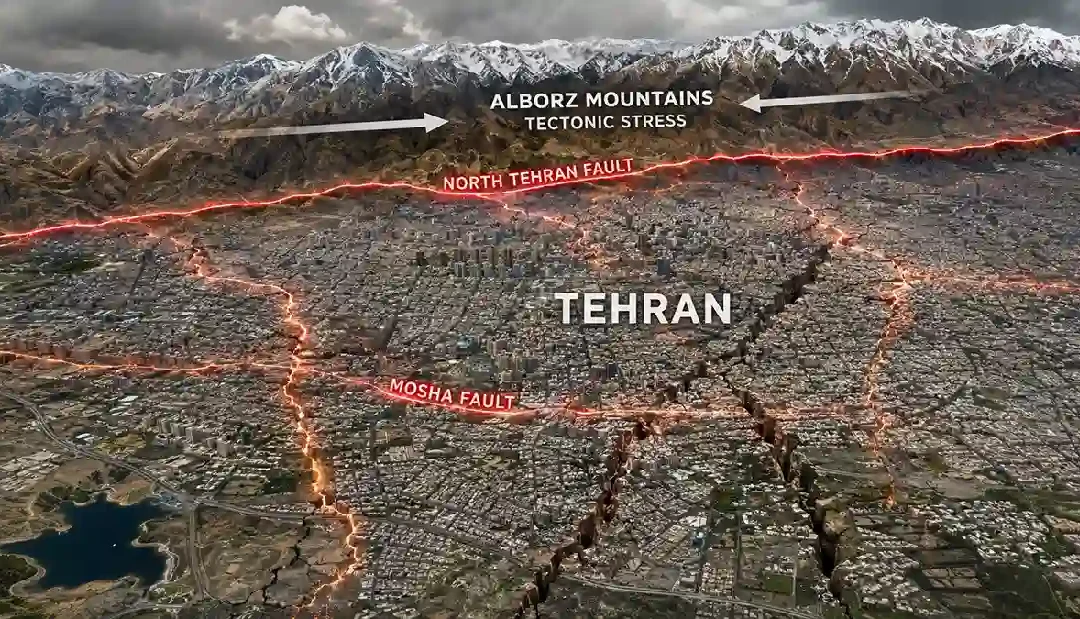 Tehran is one of the most earthquake-risk cities in the Middle East. The Iranian capital sits beside several major active faults at the southern edge of the Alborz Mountains. That means millions of people live directly near active seismic zones. Iran itself is located...
