
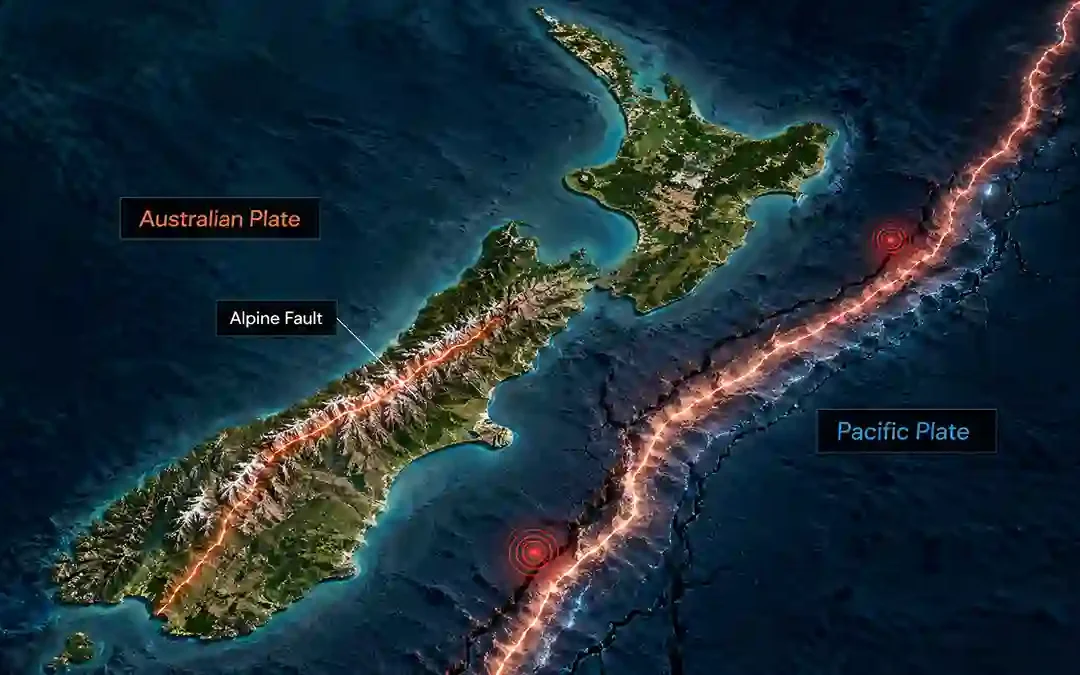
New Zealand doesn’t just experience earthquakes — it sits directly on a visible plate boundary, where two massive tectonic plates meet.
What makes it different is how clearly this boundary is expressed across the country. You can almost trace earthquake activity from one end of the islands to the other.
If you’re new to earthquakes, you can start here → what is an earthquake
New Zealand’s Seismic Pattern (A Split System)
| Region | Risk Level | What’s Happening |
|---|---|---|
| South Island (Alpine Fault) | Very High | Transform + compression |
| North Island East Coast | Very High | Subduction zone |
| Wellington Region | Very High | Plate boundary stress |
| Central North Island | High | Volcanic + tectonic |
| Western Regions | Moderate | Less active |
New Zealand is unusual because it combines multiple types of plate movement in one country
To understand how this works → fault lines
What Drives Earthquakes in New Zealand?
New Zealand lies between the Pacific Plate and the Australian Plate.
Here’s where it gets interesting:
- In the South Island → plates slide past each other
- In the North Island → one plate dives beneath another
- In some areas → both processes overlap
This creates a hybrid tectonic system, which is relatively rare.
Learn more → causes of earthquakes
New Zealand’s Three Earthquake Behaviors (Unique Insight)
Alpine Fault (The Country’s Backbone)
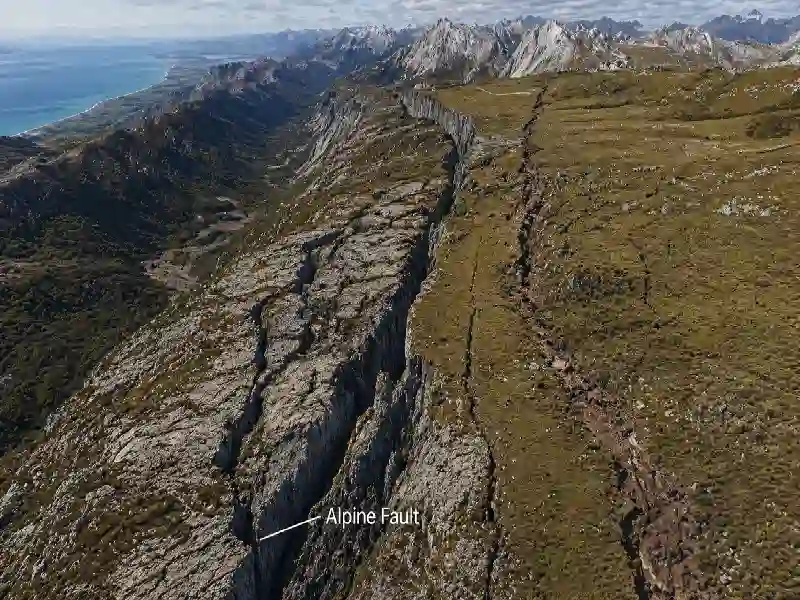
The Alpine Fault runs along the South Island.
- Major transform fault
- Capable of large earthquakes
- Combines sideways movement with compression
What’s interesting is that this fault hasn’t ruptured in a major way recently — which suggests stress may still be building.
Hikurangi Subduction Zone (North Island)
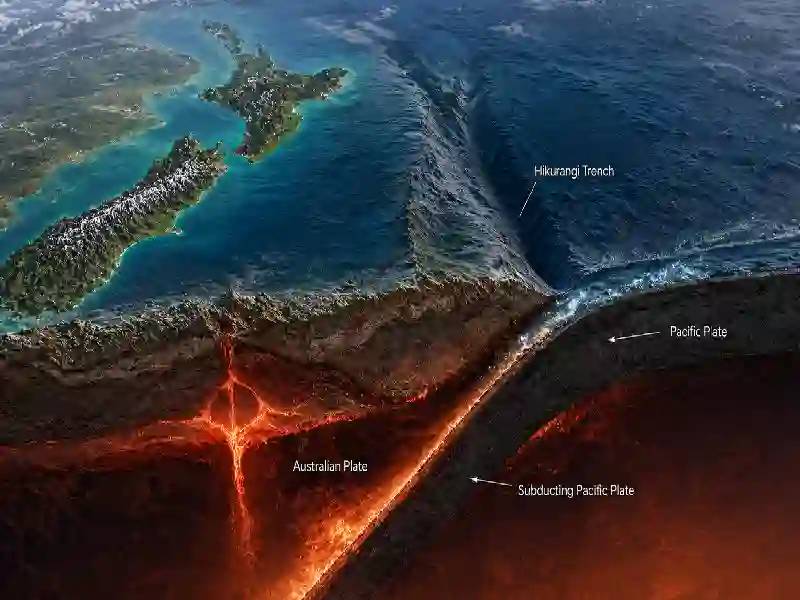
Off the east coast of the North Island lies the Hikurangi subduction zone.
- Pacific Plate dives beneath Australian Plate
- Produces deep and shallow earthquakes
- Potential for large offshore earthquakes
This region also carries tsunami risk.
Shallow Crustal Faults (Unexpected Impact)
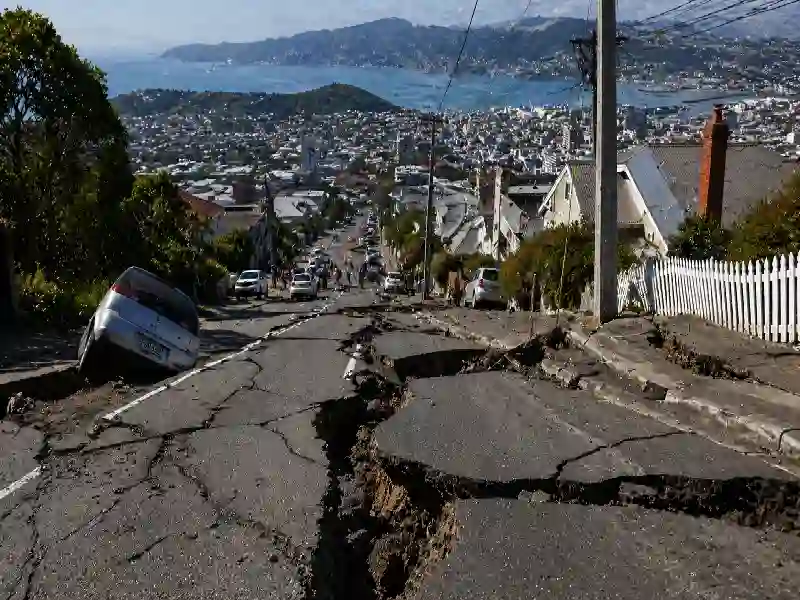
New Zealand also experiences shallow earthquakes away from major boundaries.
- Often smaller in magnitude
- Can be highly destructive
- Occur close to populated areas
These are sometimes more damaging than deeper earthquakes.
Recent Earthquake Activity in New Zealand
New Zealand experiences frequent earthquakes every year.
Recent patterns show:
- Regular small earthquakes across both islands
- Occasional moderate to strong events
- Aftershocks that continue for extended periods
What’s notable is how evenly distributed activity can be compared to other countries.
Learn why earthquakes repeat, causes of earthquakes
Notable Earthquakes in New Zealand
Past events show the range of risks.
- 2011 Christchurch Earthquake (M6.2)
A shallow earthquake that caused severe damage despite moderate magnitude. - 2016 Kaikōura Earthquake (M7.8)
A complex event involving multiple faults. - 1931 Hawke’s Bay Earthquake (M7.8)
One of the deadliest in New Zealand’s history.
Understand magnitude vs impact
New Zealand vs Other Earthquake Regions
New Zealand stands out because of its mixed tectonic behavior.
- New Zealand → transform + subduction combined
- Chile → strong subduction earthquakes
- Italy → shallow fault-driven earthquakes
- California → transform faults like the San Andreas Fault
This mix makes New Zealand one of the most geologically dynamic regions.
Can Earthquakes in New Zealand Be Predicted?
No — earthquakes cannot be predicted precisely.
Scientists can:
- monitor fault movement
- track seismic activity
- estimate long-term risk
But exact timing remains unknown.
Learn more about can earthquakes be predicted
Because it sits directly on a plate boundary between two major tectonic plates.
Both the Alpine Fault (South Island) and North Island subduction zone.
Yes — small earthquakes happen regularly.
Yes — especially from offshore subduction zones.
Final Thoughts
New Zealand shows how different types of tectonic movement can exist in one place. From sliding faults to deep subduction zones, the country is constantly adjusting under geological pressure.
That’s why earthquakes here are not just frequent — they are varied, complex, and important to understand.