The San Francisco Bay Area is one of the most earthquake-prone regions in the United States.
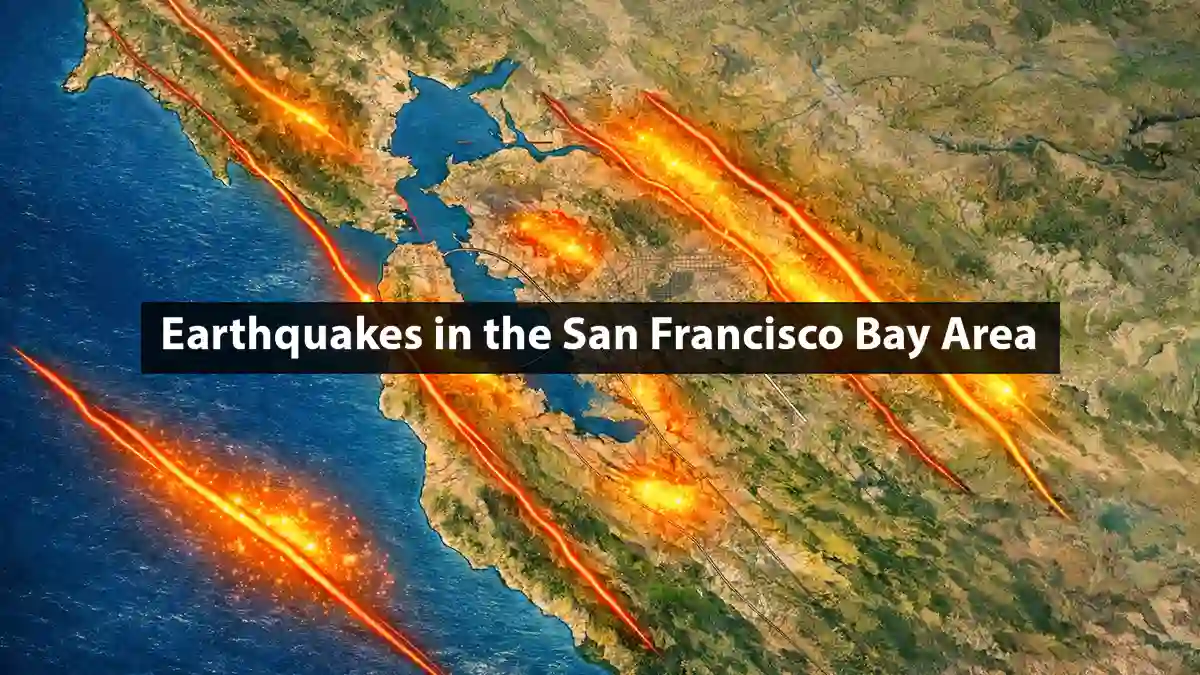
Unlike a single city, the Bay Area sits on a complex network of active faults — meaning earthquakes can originate from multiple locations across the region.
To understand the basic process, see our guide on what causes earthquakes
Why the Bay Area Has So Many Earthquakes
The Bay Area lies along the boundary between:
- Pacific Plate
- North American Plate
This boundary creates constant stress as the plates move past each other.
Over time:
- stress builds
- rocks lock
- sudden slip = earthquake
Learn more in our fault lines guide
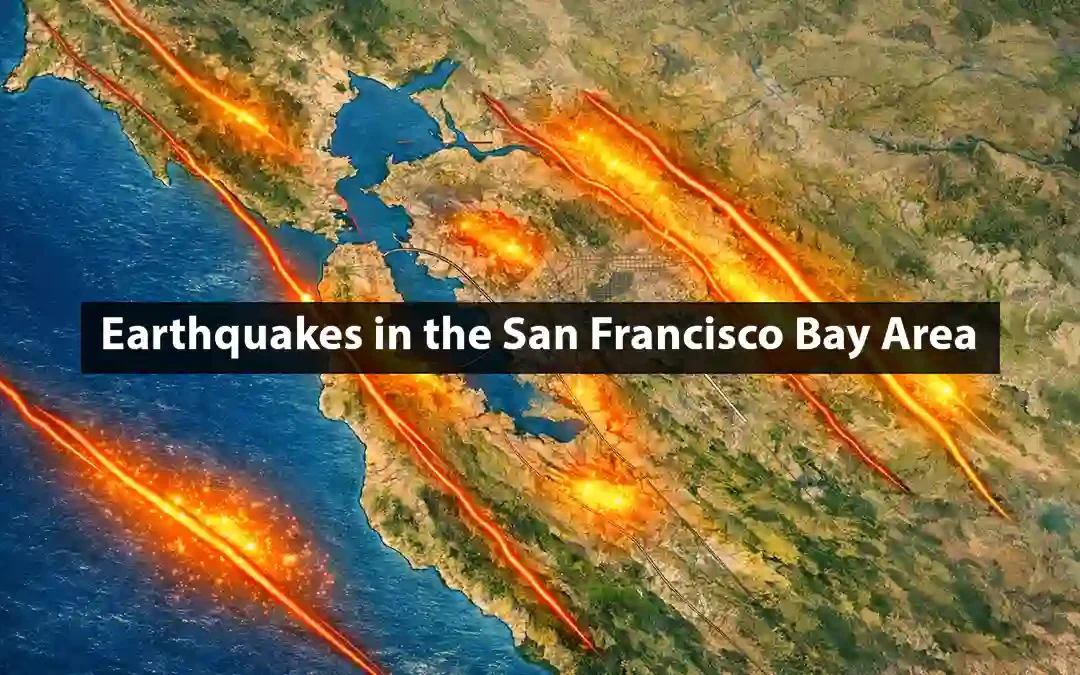
Major Fault Lines in the Bay Area
The region contains several dangerous faults:
- San Andreas Fault
- Hayward Fault (very high risk)
- Calaveras Fault
- San Gregorio Fault
These faults form a system — not a single line.
Why the Hayward Fault Is Especially Dangerous
The Hayward Fault is considered one of the most dangerous in the United States because:
- It runs directly under densely populated cities
- It has a history of major earthquakes
- It is believed to be overdue
This makes it a major concern for future earthquakes.
Cities at Risk in the Bay Area
Several cities are directly affected by these fault systems, including:
- San Francisco
- Oakland
- Berkeley
- San Jose
Each city experiences different levels of shaking depending on location and ground conditions.
Learn more about one of the most affected cities in San francisco
What Happens During a Bay Area Earthquake
When an earthquake occurs in the Bay Area:
- Stress releases along a fault
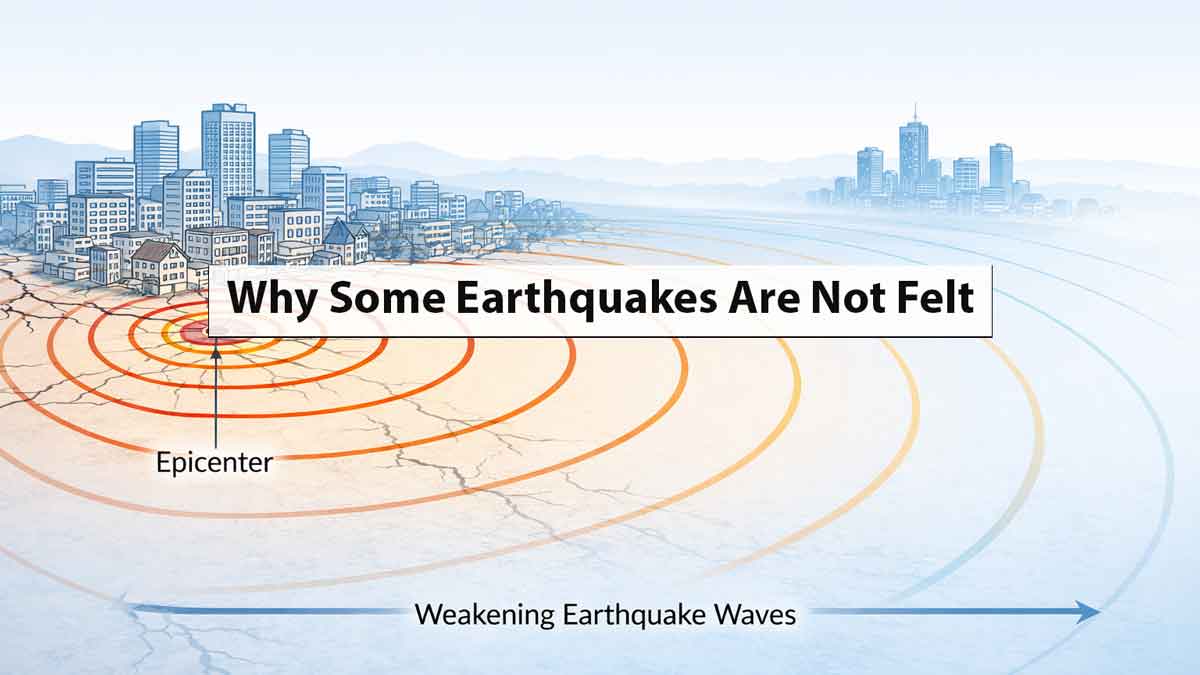
- Energy spreads outward as seismic waves
- Multiple cities experience shaking
- Intensity varies across locations
Learn how waves move in our seismic waves guide
How Dangerous Are Bay Area Earthquakes?
Risk depends on:
- which fault moves
- magnitude
- location
- ground conditions
Some areas experience stronger shaking due to soft soil.
Learn more about magnitude vs intensity
Why Some Areas Shake More Than Others
Areas built on:
- landfill
- sediment
experience stronger shaking
Areas built on:
- bedrock
experience less shaking
Can Bay Area Earthquakes Be Predicted?
No — earthquakes cannot be predicted precisely.
However:
- scientists monitor faults
- early warning systems provide alerts
Learn more about can earthquakes be predicted
How Often Do Earthquakes Happen in the Bay Area?
- Small earthquakes happen frequently
- Most are not felt
- Large earthquakes are rare but expected
Learn why some earthquakes are not felt
Is the Bay Area Due for a Big Earthquake?
Many experts believe that a major earthquake is likely in the future, but the exact timing is unknown
This is based on:
- historical patterns
- stress buildup along faults
Learn more about what happens before an earthquake
Because it lies on a major tectonic plate boundary with multiple fault lines.
The Hayward Fault is considered one of the most dangerous due to its location.
Small earthquakes occur frequently, while large ones are rare.
Yes — but exact timing cannot be predicted.