by Gelogia Team | Apr 26, 2025 | Geology, Hydrology
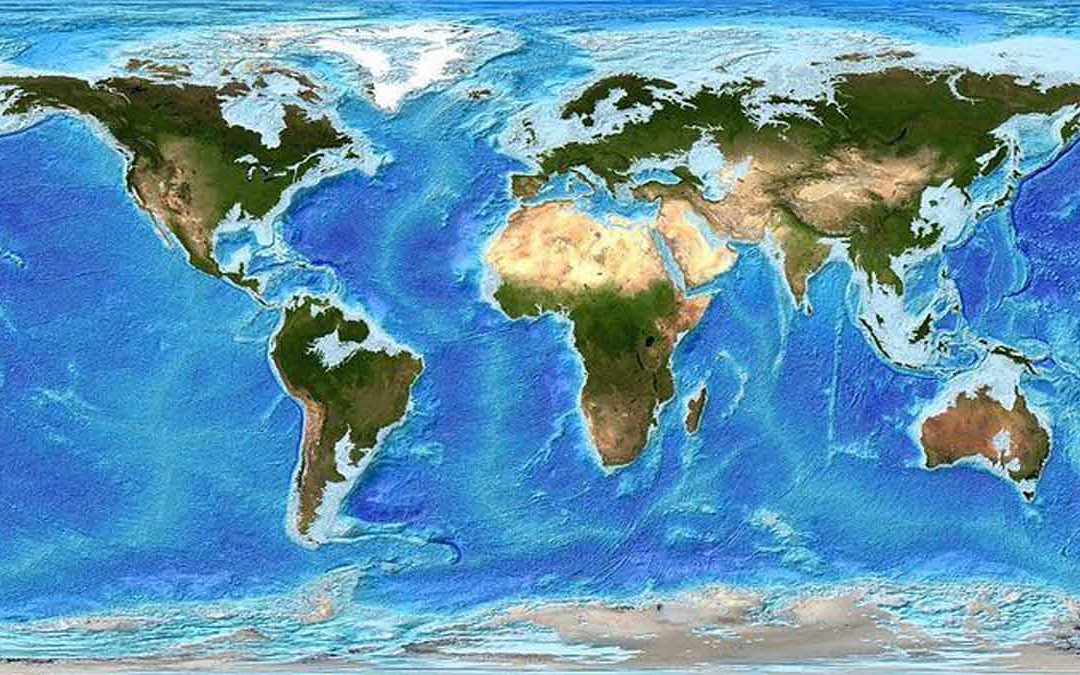
Sea level has never been constant throughout Earth’s history. It has risen and fallen over geological time due to various natural processes. This blog explores the cyclic patterns of sea level fluctuations in the geologic past, the role of oxygen isotopes, and the...
by Gelogia Team | Mar 13, 2025 | Geology, Hydrology
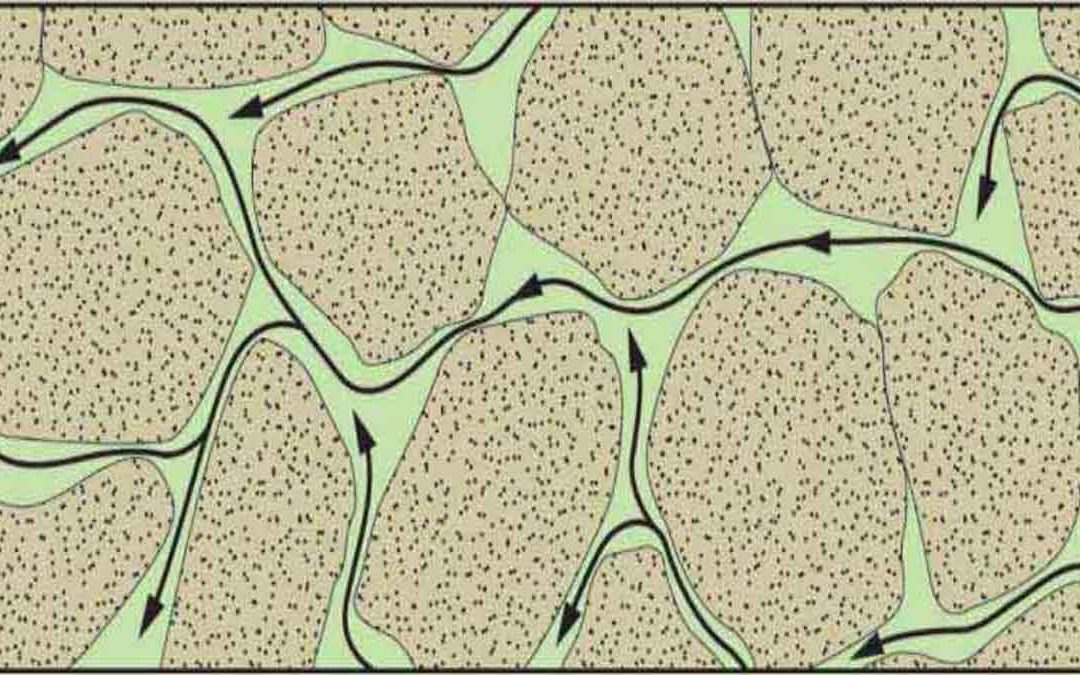
Permeability: Permeability is the ability of fluids to pass through a process material. It is measured in millidancy (MD) or Darcies (D) and expressed by k. According to Darcy’s law, Where, Q = Rate of fww K= Permeability (p1-p2) = Pressure drop across the sample A =...
by Gelogia Team | Mar 6, 2025 | Hydrology
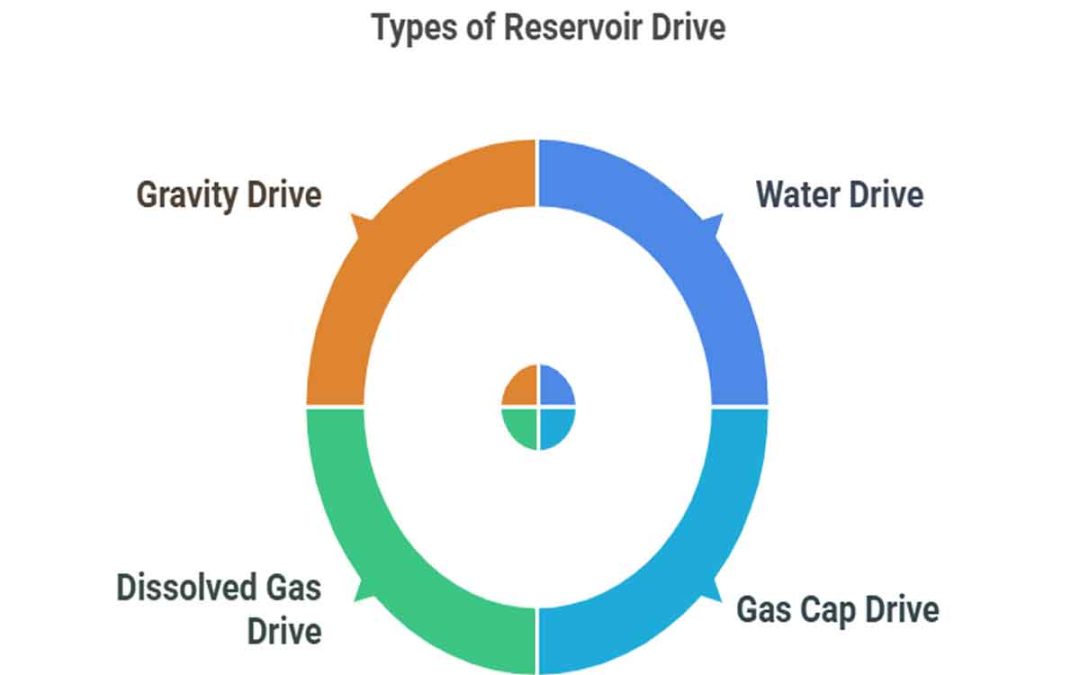
The types of reservoir drives—Water Drive, Gas Cap Drive, Dissolved Gas Drive, and Gravity Drive—are natural forces that push hydrocarbons to the surface. Water Drive is the most efficient (up to 60% recovery), while Dissolved Gas Drive is the least (7-15%)....
by Gelogia Team | Feb 28, 2025 | Geology, Hydrology
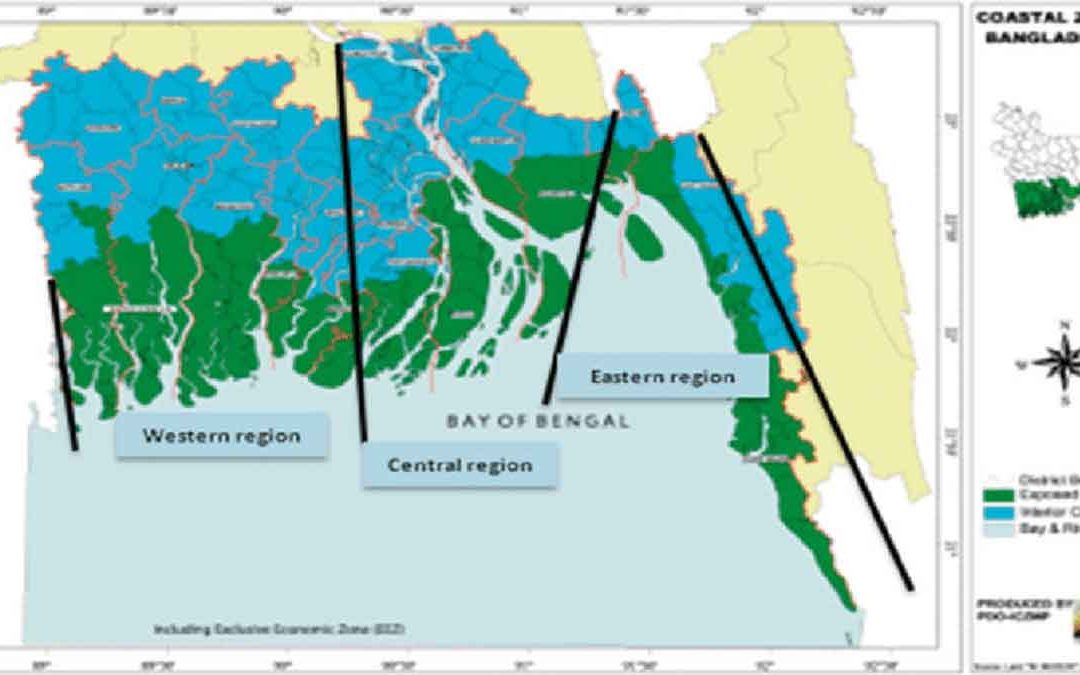
Depending on the geomorphological features, the coastal region of Bangladesh can broadly be divided into the following three regions: The Eastern Region: The eastern coastline of Bangladesh, from the big Feni River to Badar Mokam (the southern tip of the mainland)...
by Gelogia Team | Jan 31, 2025 | Hydrology
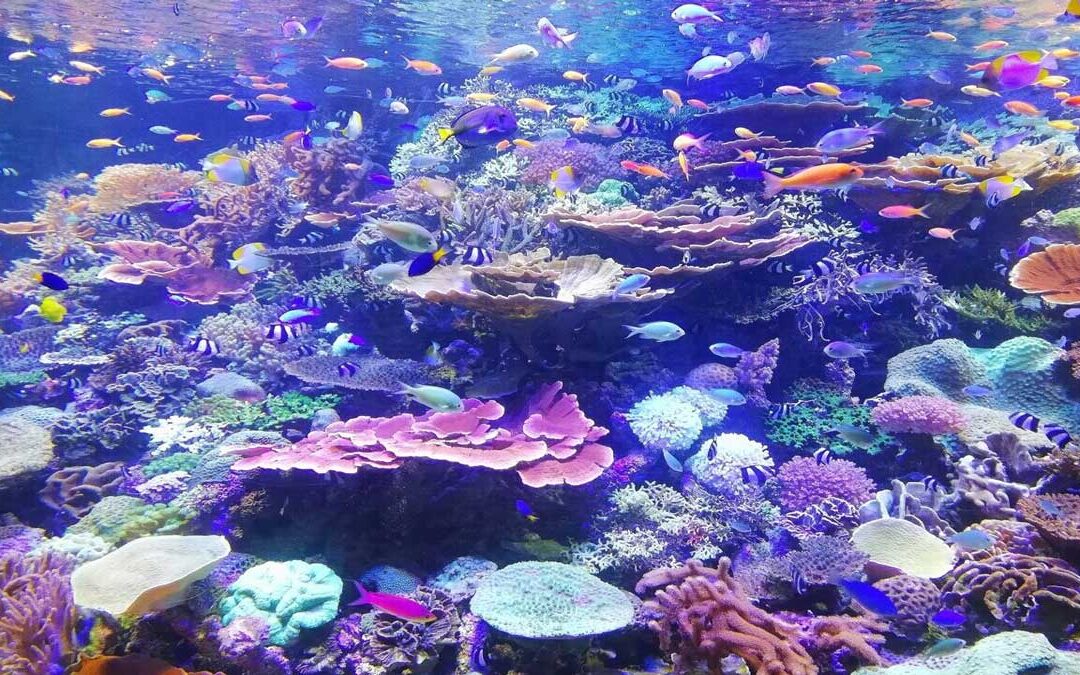
What is Coral Reef? Coral reefs are diverse underwater ecosystems held together by calcium carbonate structures secreted by corals. They are built by colonies of tiny animals and are found in marine water that contains few nutrients. Most coral reefs are built from...
by Gelogia | Jan 30, 2025 | Hydrology
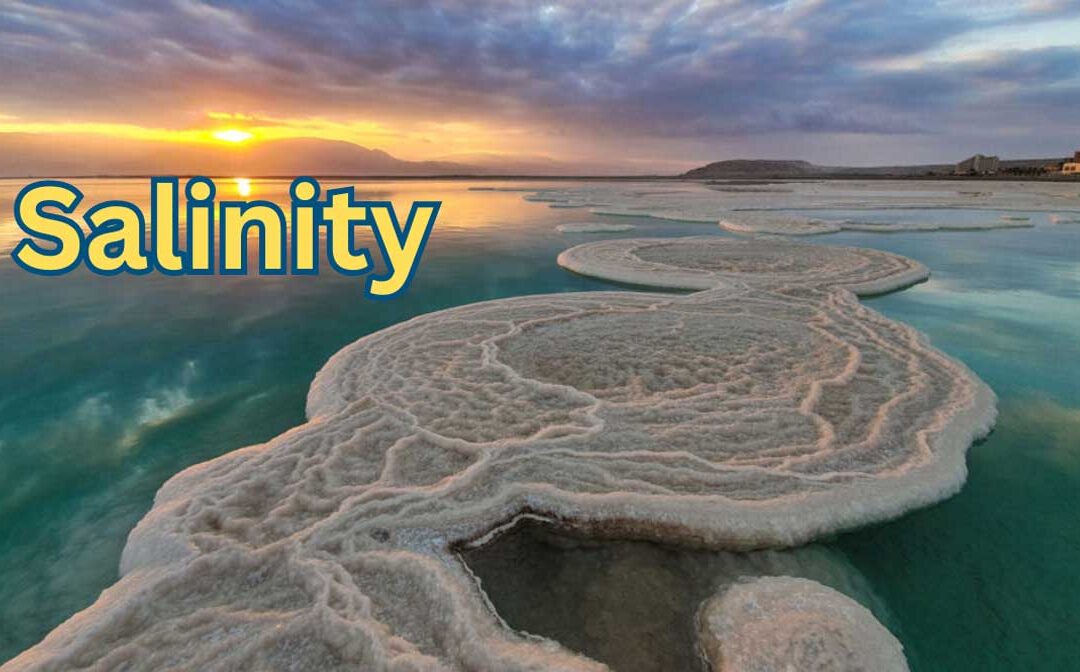
Salinity makes an extraordinary tracer of water motion inside the ocean. Hence, it’s far routinely measured, at the side of any other conservative tracer, temperature. The salinity of seawater commonly averages around 35 ppt, which means 35 grams of salt in step...