by Gelogia Team | Feb 28, 2025 | Geology, Hydrology
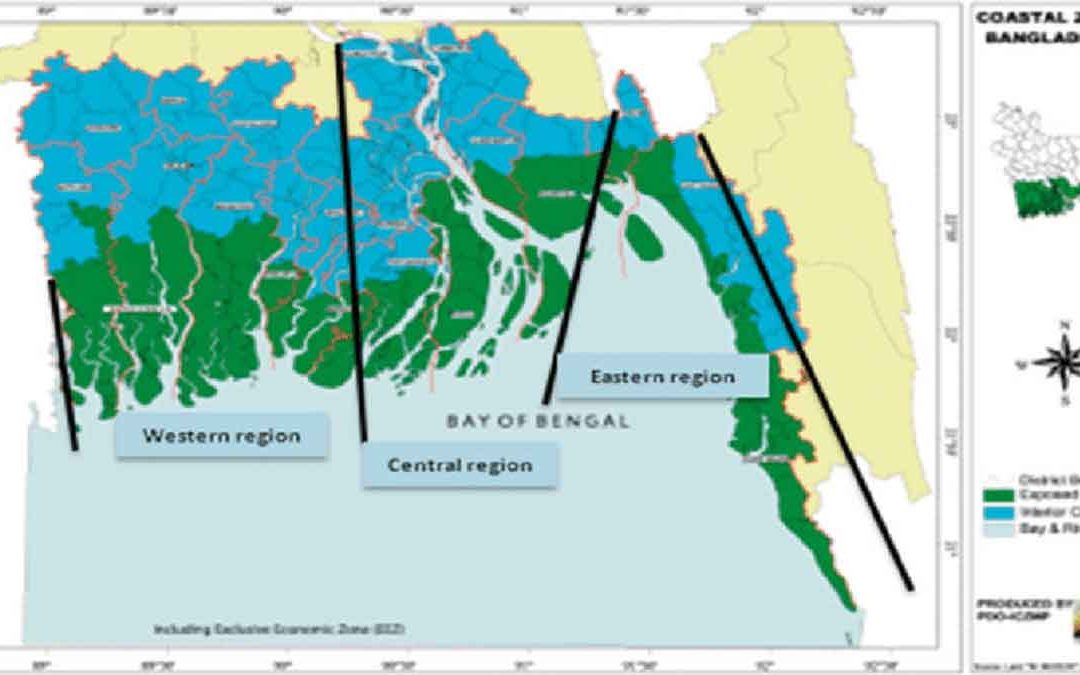
Depending on the geomorphological features, the coastal region of Bangladesh can broadly be divided into the following three regions: The Eastern Region: The eastern coastline of Bangladesh, from the big Feni River to Badar Mokam (the southern tip of the mainland)...
by Gelogia Team | Feb 13, 2025 | Geology
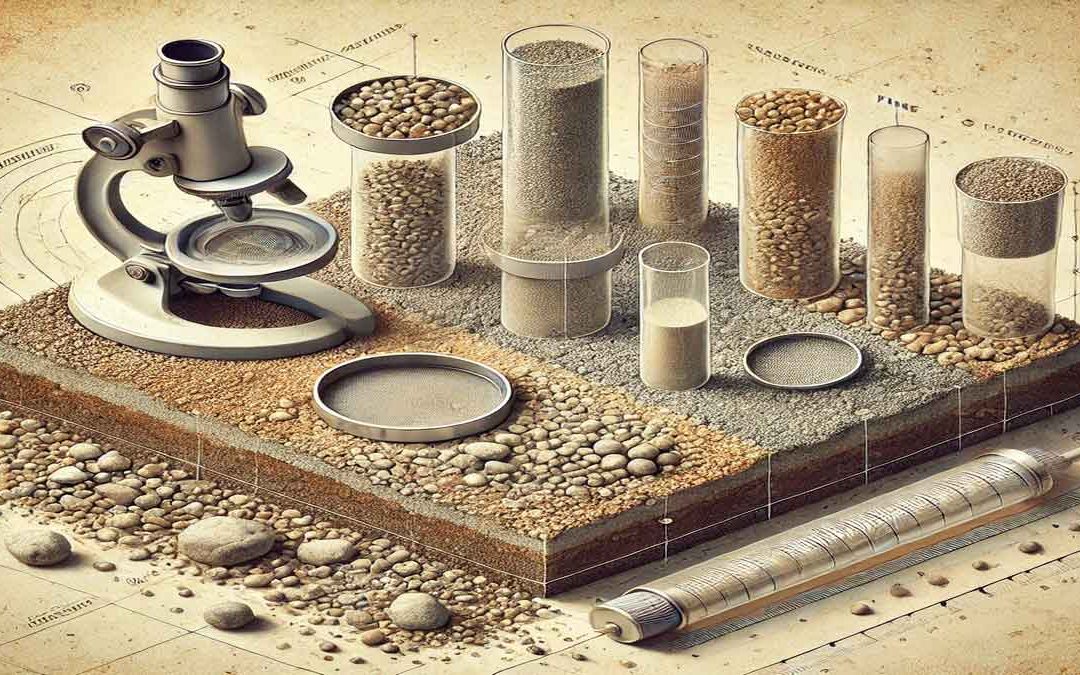
Grain size classifies sedimentary particles from coarse gravel to fine clay using scales like Udden’s and Atterberg’s. Analysis methods include direct measurement, sieving, microscopy, and settling tubes, based on particle size. Understanding grain size helps in...
by Gelogia | Jan 29, 2025 | Geology, Petrology
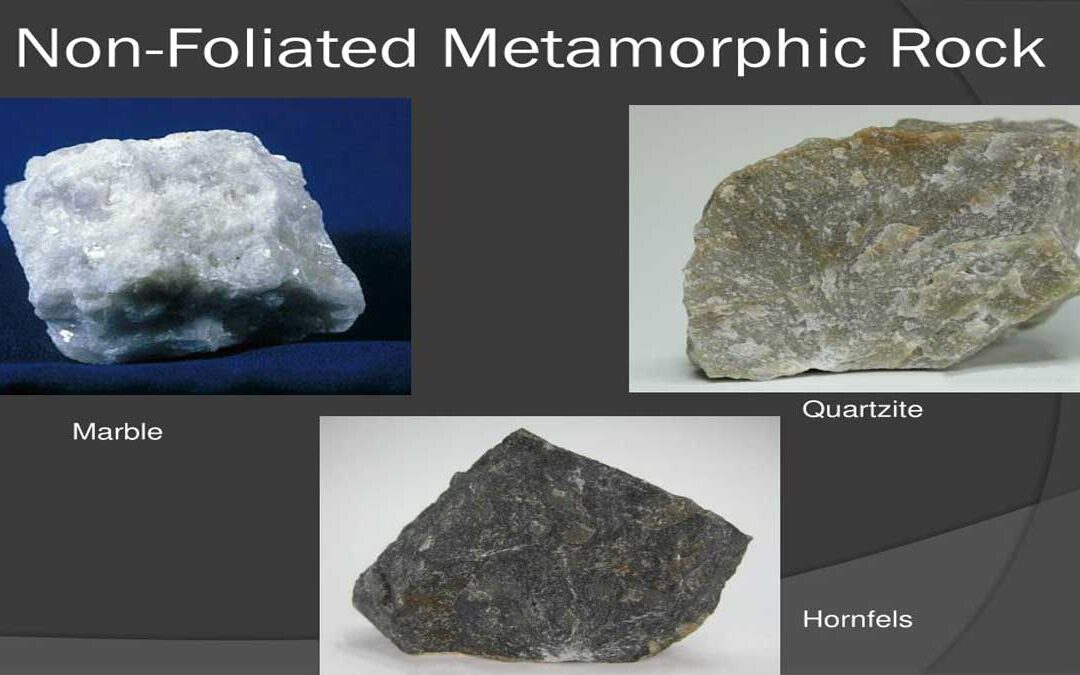
Non-foliated rocks are metamorphic rocks without a layered structure, forming under uniform pressure or due to mineral composition. Common types include marble, quartzite, hornfels, granofels, and amphibolite, each with unique textures and properties. What are...
by Gelogia | Jan 2, 2025 | Geology, Petrology, Structural Geology
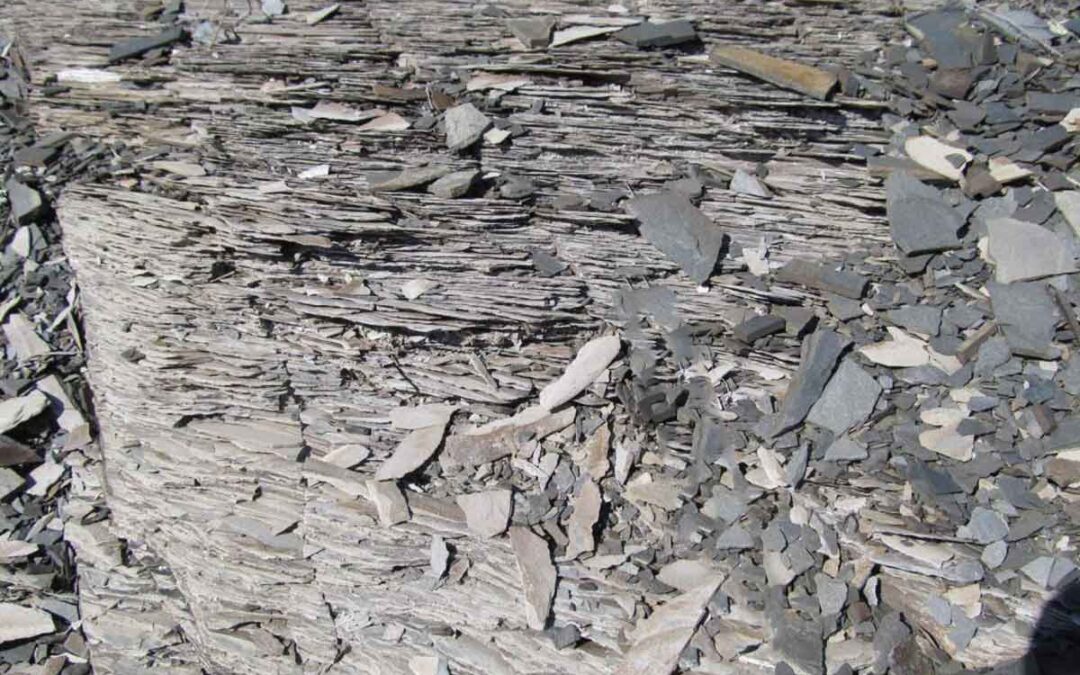
Mudrocks are unusual sedimentary rocks that dominate Earth’s geological record. These fine-grained formations often hold valuable insights into our planet’s history and diverse ecosystems, though people often overlook them. In this article, we delve into...
by Gelogia | Dec 17, 2024 | Geology, Petrology, Structural Geology
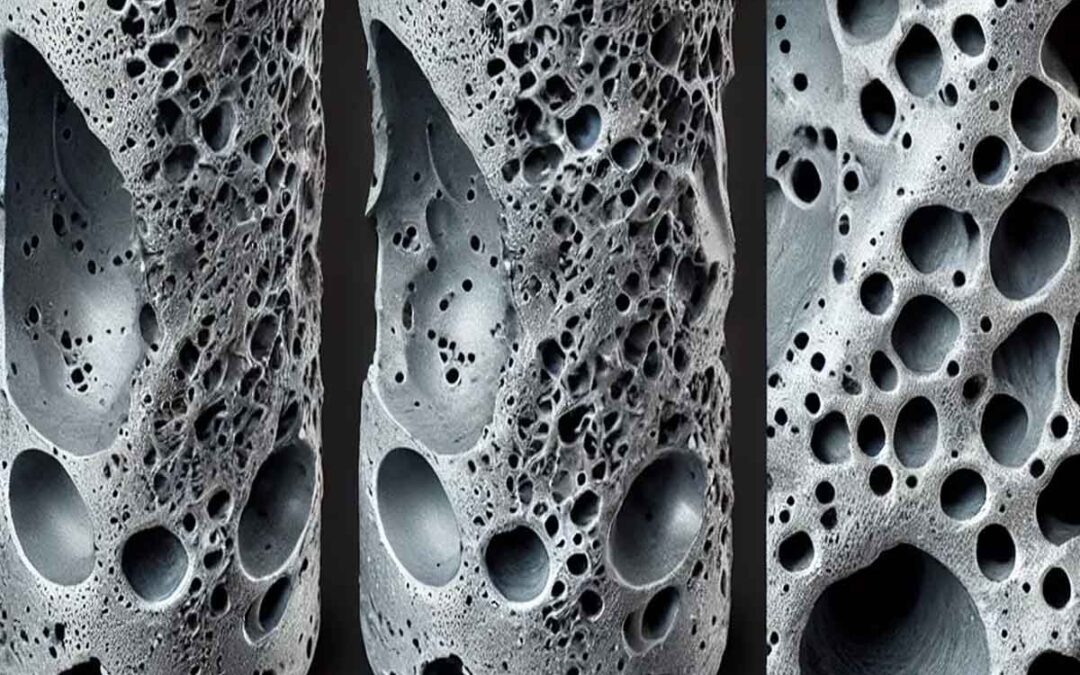
Porosity is an important property of a material, describing the ratio of voids to the total volume. This property is important in many fields, including geology, materials science, environmental studies, and engineering. Understanding porosity is key to assessing how...
by Gelogia | Nov 27, 2024 | Geology, Hydrology
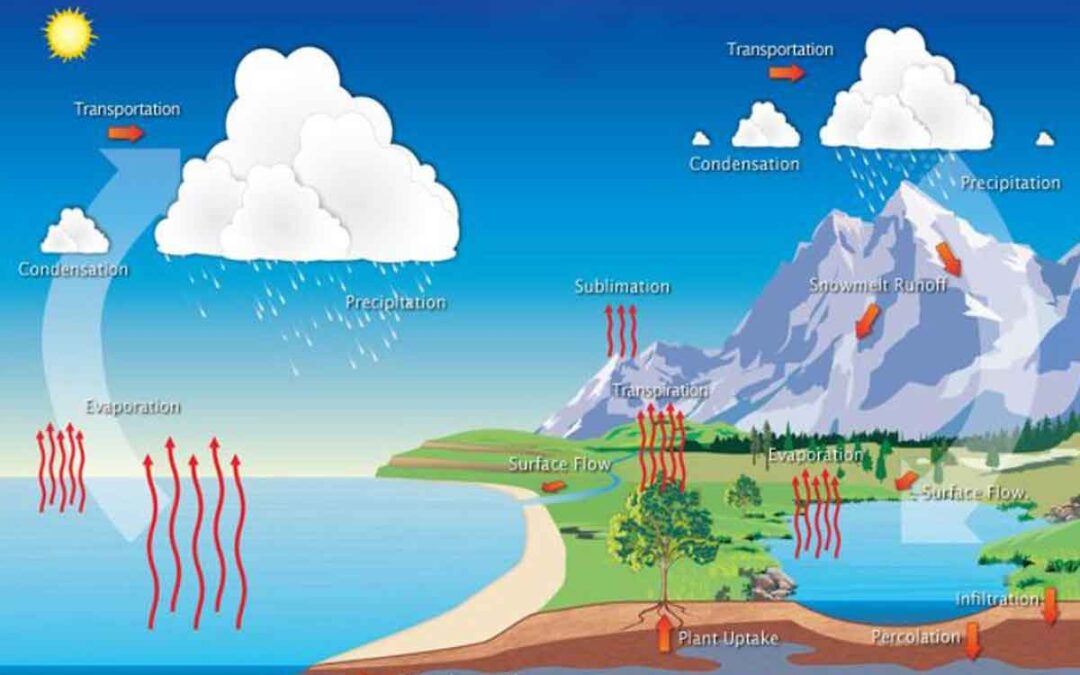
Evaporation is important in the water cycle and affects our daily lives. From drying clothes to cooling the body through sweat, evaporation is a phenomenon we frequently encounter. What is Evaporation? Evaporation is the process by which water from a liquid or solid...