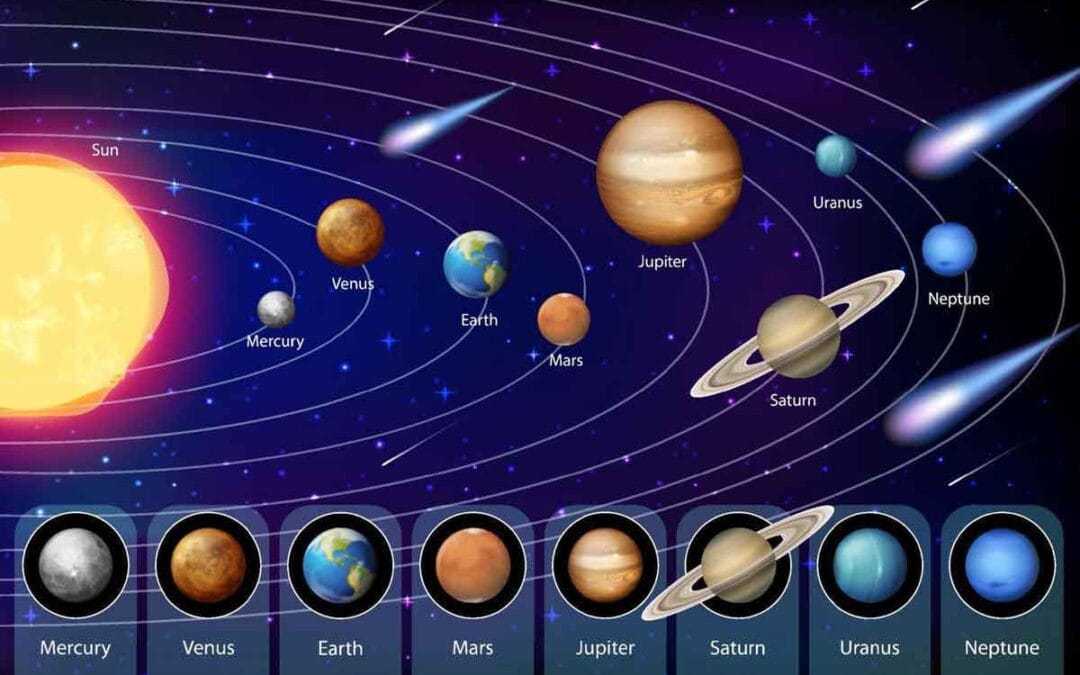
The solar system consists of the Sun and all celestial objects that orbit around it under the force of gravity. Scientists believe the solar system formed about 4.6 billion years ago when a dense region of gas and dust collapsed, creating the Sun and a surrounding disk of material that eventually formed the planets.
At the center of the solar system is the Sun, a G-type main-sequence star that generates energy by fusing hydrogen into helium in its core. This process releases enormous amounts of energy that travel outward through the Sun’s atmosphere and provide light and heat to the planets.
The solar system is a fascinating cosmic system filled with planets, moons, the asteroid belt, comets, and dwarf planets, each contributing to the complex structure of our planetary neighborhood.
How Many Planets Are in the Solar System?
Today, astronomers recognize eight planets in the solar system:
In 2006, Pluto was reclassified as a dwarf planet by the International Astronomical Union.
Planets in Order from the Sun
The planets are arranged based on their distance from the Sun.
| Order | Planet Name | Type |
|---|---|---|
| 1 | Mercury | Rocky |
| 2 | Venus | Rocky |
| 3 | Earth | Rocky |
| 4 | Mars | Rocky |
| 5 | Jupiter | Gas Giant |
| 6 | Saturn | Gas Giant |
| 7 | Uranus | Ice Giant |
| 8 | Neptune | Ice Giant |
The first four planets are called inner planets, while the outer four are known as outer planets.
Solar System Planet Comparison Table
| Planet | Diameter (km) | Distance from Sun | Moons | Planet Type |
|---|---|---|---|---|
| Mercury | 4,879 | 57.9 million km | 0 | Rocky |
| Venus | 12,104 | 108 million km | 0 | Rocky |
| Earth | 12,742 | 150 million km | 1 | Rocky |
| Mars | 6,779 | 228 million km | 2 | Rocky |
| Jupiter | 139,820 | 778 million km | 95+ | Gas Giant |
| Saturn | 116,460 | 1.4 billion km | 140+ | Gas Giant |
| Uranus | 50,724 | 2.9 billion km | 27 | Ice Giant |
| Neptune | 49,244 | 4.5 billion km | 14 | Ice Giant |
Inner Planets (Rocky Planets)
The inner planets are closer to the Sun and have solid rocky surfaces.
They include:
- Mercury
- Venus
- Earth
- Mars
These planets are generally smaller, denser, and have fewer moons.
Outer Planets (Gas and Ice Giants)
The outer planets are much larger and composed mainly of gas or ice.
They include:
- Jupiter
- Saturn
- Uranus
- Neptune
These planets often have rings and dozens of moons. learn more about inner vs outer planets.
Solar system planet formation and discovery:
Approximately 4.5 billion years ago, a massive cloud of gas and dust started to collapse. As the cloud contracted, it transformed into a spinning disk, known as a solar nebula, as described by NASA Science. Over time, the heat and pressure reached such extreme levels that hydrogen atoms began to fuse, forming helium. These nuclear reactions released immense amounts of energy, leading to the formation of our sun.
The sun attracted approximately 99% of the available matter, while the remaining material farther from the sun coalesced into smaller clumps within the rotating disk. Some clumps gained enough mass for their gravity to shape them into spheres, ultimately becoming planets, dwarf planets, and moons. The remaining remnants evolved into asteroids, comets, and smaller moons, composing our solar system.
1. Mercury:
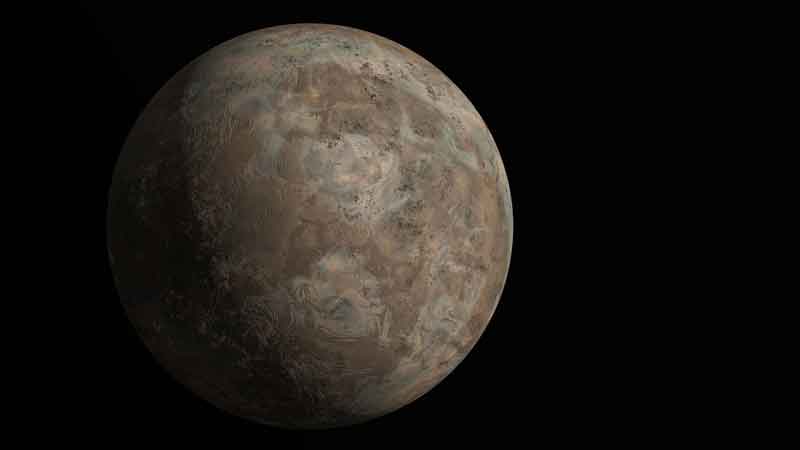
Mercury is the closest planet to the Sun and the smallest planet in the solar system.
It has a diameter of about 4,879 km, which makes it slightly larger than Earth’s Moon. Mercury has almost no atmosphere, meaning temperatures vary dramatically. During the day, temperatures can reach 427°C (800°F), while at night they can fall to –179°C (–290°F).
Mercury completes one orbit around the Sun in 88 Earth days.
2. Venus:
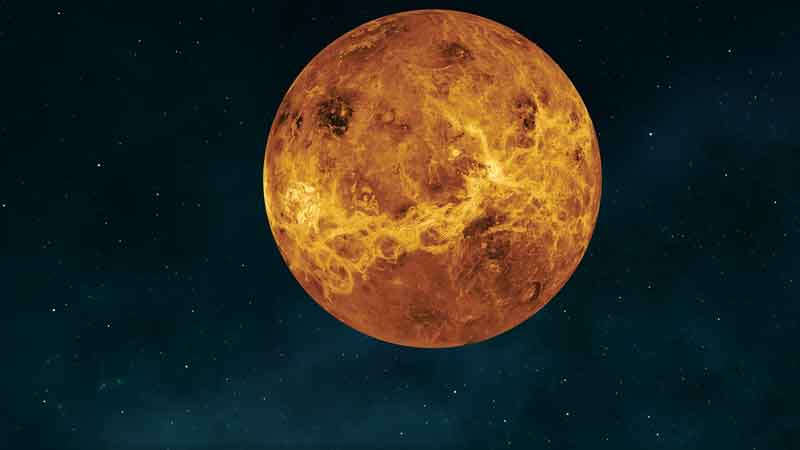
Venus is the second planet from the Sun and the hottest planet in the solar system.
Its thick atmosphere is mostly composed of carbon dioxide, which traps heat through a powerful greenhouse effect. Surface temperatures on Venus can reach around 471°C (880°F).
Venus is similar in size to Earth and has a diameter of about 12,100 km, but its surface conditions are extremely hostile.
3. Earth:
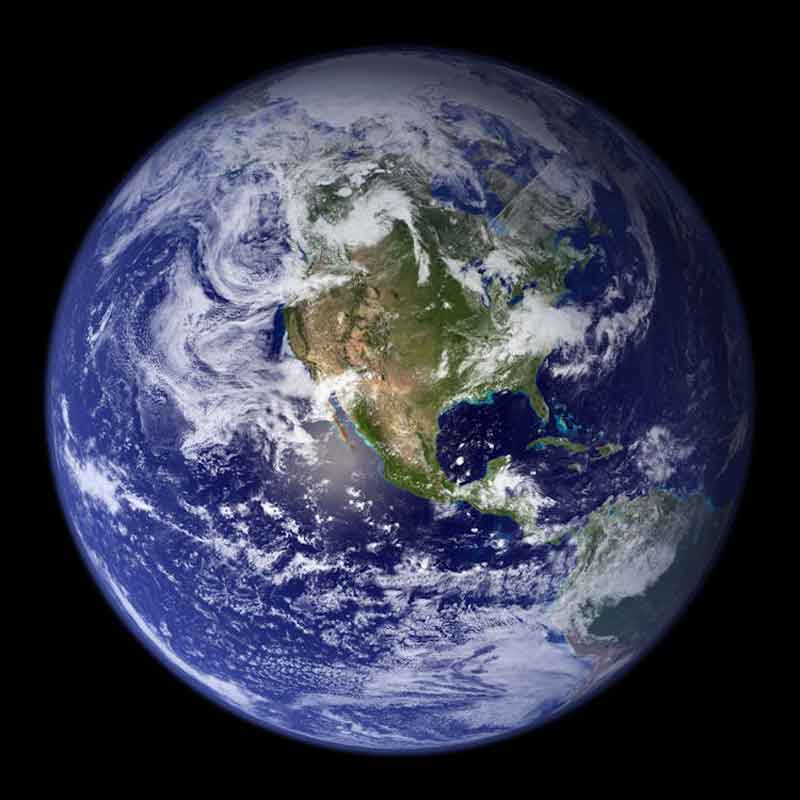
Earth is the third planet from the Sun and the only planet known to support life.
About 71% of Earth’s surface is covered by water, and the planet’s atmosphere protects life from harmful solar radiation.
Earth lies within the habitable zone, often called the Goldilocks Zone, where temperatures allow liquid water to exist.
Earth has one natural satellite, the Moon, which likely formed after a massive collision early in the planet’s history.
4. Mars:
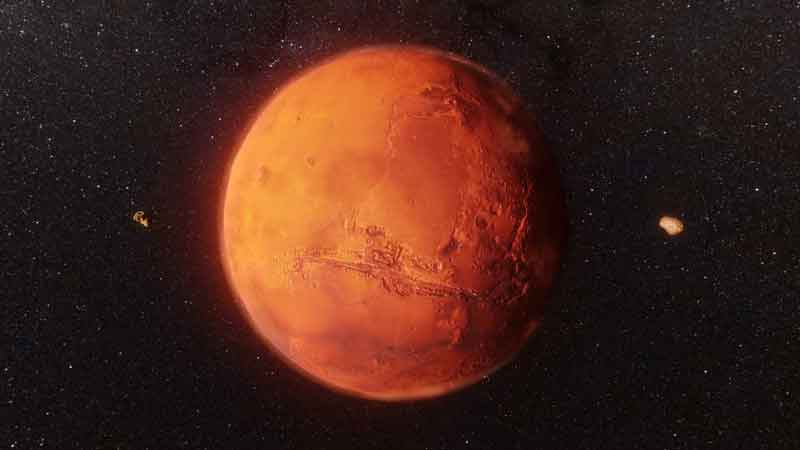
Mars is known as the Red Planet because of its iron-rich dust surface.
It is home to the largest volcano in the solar system, Olympus Mons, and the massive canyon system Valles Marineris.
Mars has two small moons:
- Phobos
- Deimos
Scientists believe Mars once had liquid water on its surface, raising the possibility that life might have existed there in the past.
5. Jupiter:
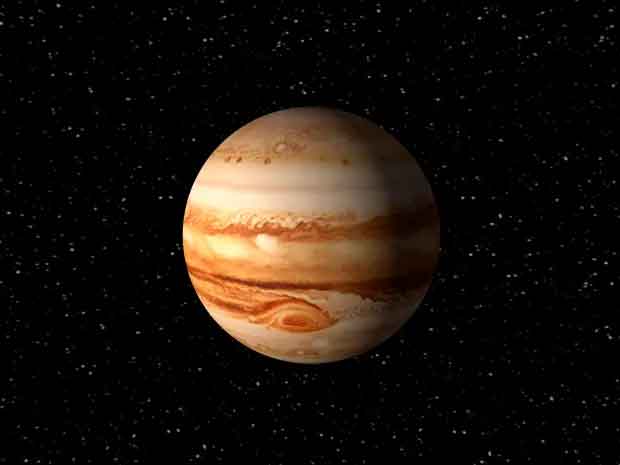
Jupiter is the largest planet in the solar system.
This gas giant is composed mainly of hydrogen and helium and has a diameter of about 139,820 km.
One of its most famous features is the Great Red Spot, a giant storm larger than Earth that has been raging for centuries.
Jupiter has over 95 known moons, including the large moons Io, Europa, Ganymede, and Callisto.
6. Saturn:
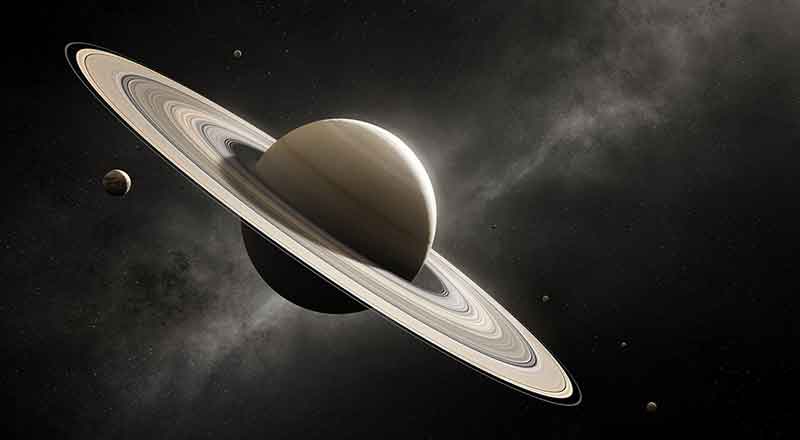
Saturn is best known for its spectacular ring system made of ice and rock particles.
Despite being enormous, Saturn is the least dense planet, meaning it could theoretically float in water.
Saturn has more than 140 moons, including Titan, which has lakes of liquid methane.
7. Uranus:
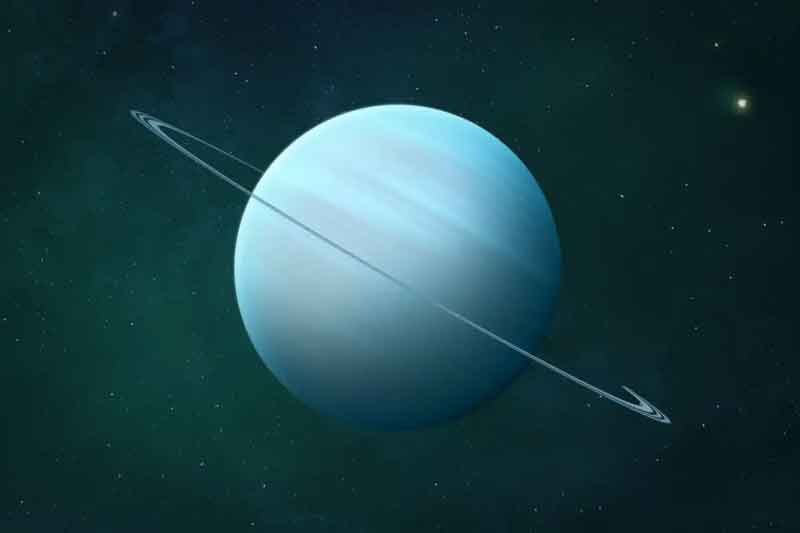
Uranus is an ice giant composed mainly of water, ammonia, and methane.
The methane in its atmosphere gives Uranus its blue-green color.
Unlike most planets, Uranus rotates on its side, making its seasons extremely unusual.
It has 13 rings and 27 moons.
8. Neptune:
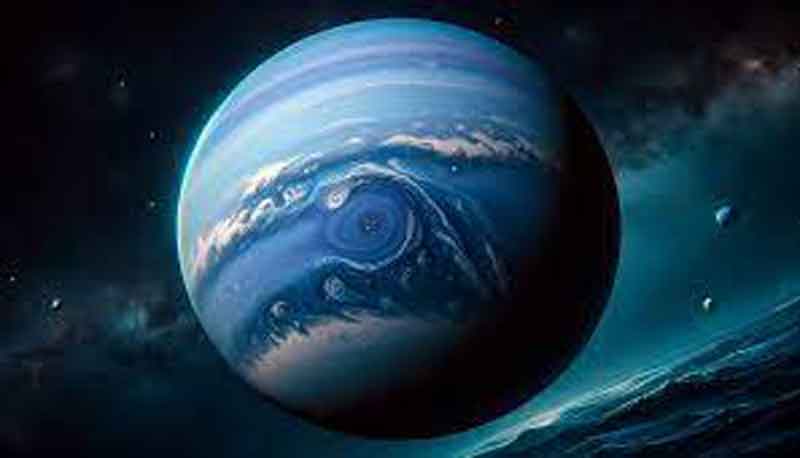
Neptune is the most distant planet in the solar system.
It is known for its extremely powerful winds, which can reach speeds of 2,000 km/h (1,200 mph).
Neptune has 14 known moons, the largest of which is Triton.
Dwarf Planets:
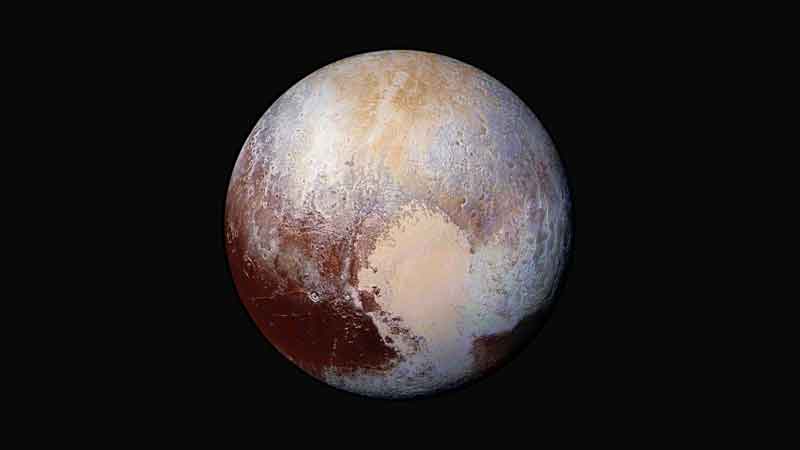
Beyond the eight main planets are dwarf planets, which include:
- Pluto
- Eris
- Ceres
- Haumea
- Makemake
Pluto was reclassified as a dwarf planet in 2006 because it does not clear its orbital neighborhood.
Why Studying Solar System Planets Matters
Understanding the planets helps scientists answer important questions:
- How the solar system formed
- How planets evolve over billions of years
- Whether life might exist on other worlds
Studying other planets also helps researchers understand the conditions that allowed life to develop on Earth.
Fun Facts About the Solar System
- Jupiter’s Great Red Spot is a storm larger than Earth.
- A day on Venus is longer than its year.
- Neptune has the fastest winds in the solar system.
- Saturn’s rings are made mostly of water ice.
- Mercury completes an orbit around the Sun in only 88 days.
Conclusion
The solar system is an extraordinary cosmic system filled with diverse planets, moons, and other celestial objects. From the scorching surface of Mercury to the icy winds of Neptune, each planet provides valuable insight into the formation and evolution of planetary systems.
Studying the solar system not only helps us understand our place in the universe but also guides the search for potential life beyond Earth.
FAQ About Solar System Planet
There are eight planets: Mercury, Venus, Earth, Mars, Jupiter, Saturn, Uranus and Neptune.
Jupiter is the largest planet in the solar system.
Mercury is the smallest planet.