San Diego isn’t usually the first city people think of when it comes to earthquakes — but that doesn’t mean it’s risk-free.
In reality, San Diego sits in an active seismic region influenced by multiple nearby fault systems.
To understand the basics, see our guide on what causes earthquakes
Why San Diego Experiences Earthquakes
San Diego is located near several important faults, including:
- San Andreas Fault (major system)
- San Jacinto Fault
- Elsinore Fault
These faults are part of the broader boundary between:
- Pacific Plate
- North American Plate
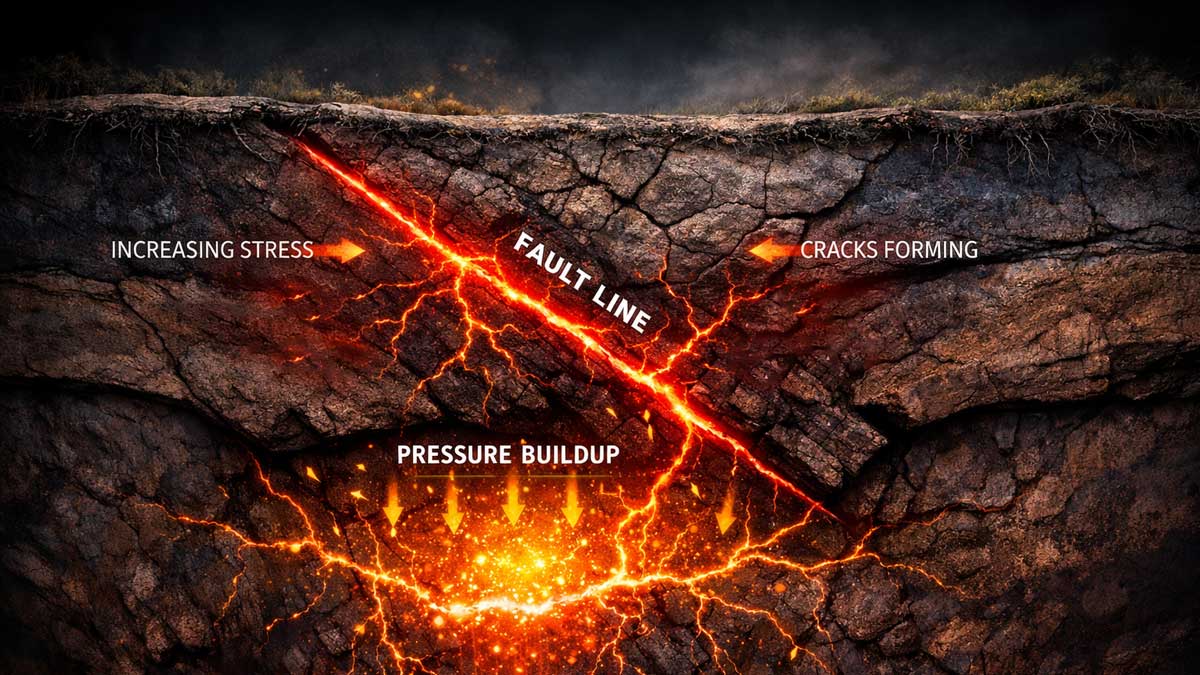
Instead of moving smoothly, these plates build stress and release it suddenly as earthquakes.
Learn more in our fault lines guide
How High Is Earthquake Risk in San Diego?
San Diego has a moderate earthquake risk compared to other California cities.
Why lower risk than some areas?
- It is farther from the main San Andreas Fault
- Major fault lines are nearby, but not directly underneath the city
However, strong earthquakes from nearby regions can still affect San Diego.
San Diego vs San Francisco
Not all California cities face the same level of risk.
In San Francisco:
- major faults run very close
- higher seismic intensity
In San Diego:
- fewer direct fault crossings
- generally lower shaking intensity
What Happens During an Earthquake in San Diego
When an earthquake occurs:
- Energy is released along a fault
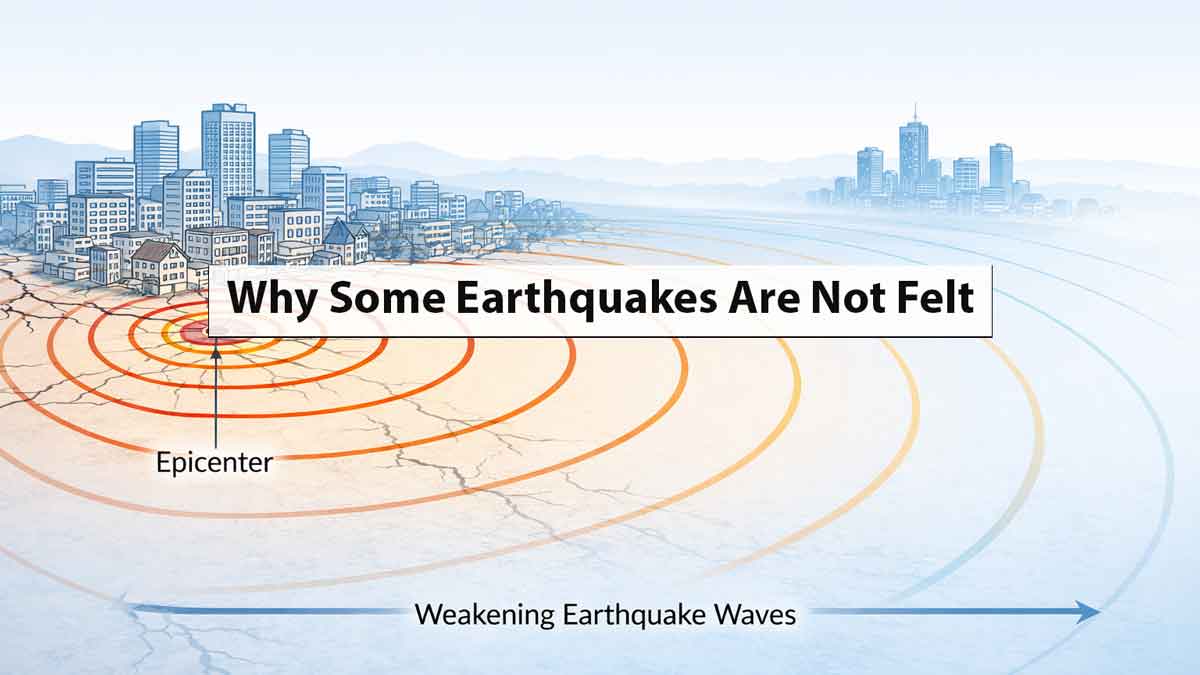
- Seismic waves travel outward
- Waves reach San Diego
- Shaking depends on distance and ground type
Learn how waves move in our seismic waves guide
Can San Diego Experience a Major Earthquake?
Yes — but it’s less likely than in some other parts of California.
Possible scenarios include:
- a nearby fault rupture
- a large earthquake along the San Andreas Fault affecting the region
Learn more in our guide on why California has so many earthquakes
Why Some Areas in San Diego Shake More Than Others
Ground conditions play a major role.
Areas with:
- soft soil
- coastal sediment
may experience stronger shaking
While areas with:
- solid rock
experience less movement
Are Earthquakes in San Diego Predictable?
No — earthquakes cannot be predicted precisely.
However:
- scientists monitor fault activity
- early warning systems provide alerts
Learn more about can earthquakes be predicted
How Often Do Earthquakes Happen in San Diego?
- Small earthquakes happen regularly
- Most are not felt
- Larger earthquakes are rare
Learn why some earthquakes go unnoticed
Yes — but usually smaller and less frequent than other parts of California.
Generally yes, but it is still in an active seismic region.
Because it is farther from the most active fault zones.
Yes — especially from nearby fault systems.