by Gelogia Team | Jul 26, 2025 | Geology
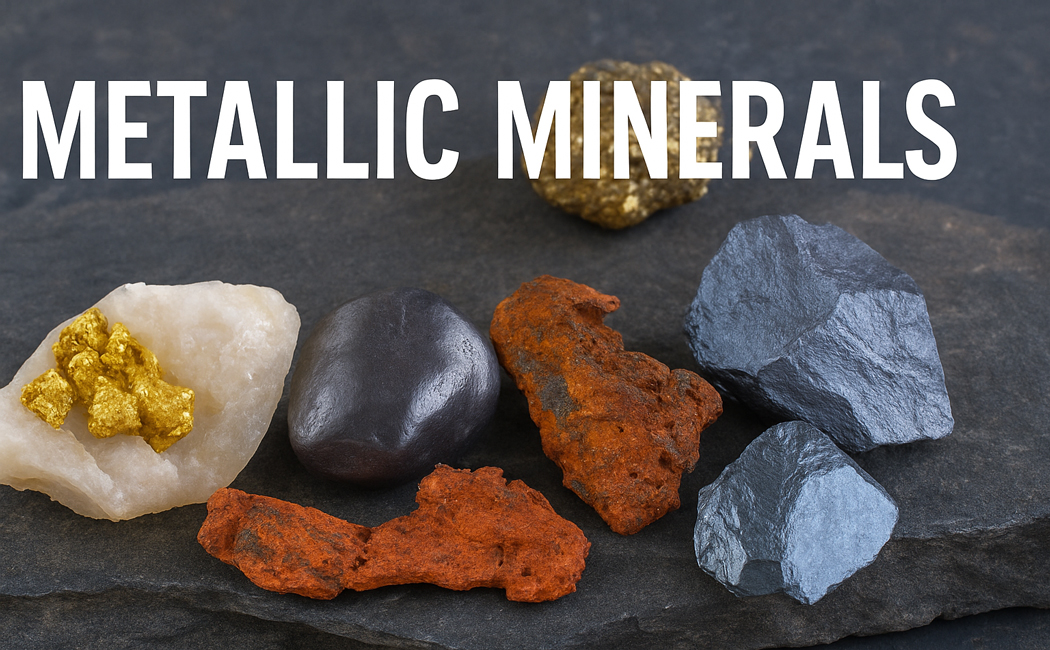
Metallic minerals are essential resources for industrial and economic development. Found in various forms across geological formations, these minerals, such as gold, iron, copper, and others, contribute to sectors such as construction, manufacturing, electronics, and...
by Gelogia Team | Jul 21, 2025 | Geology, Petrology
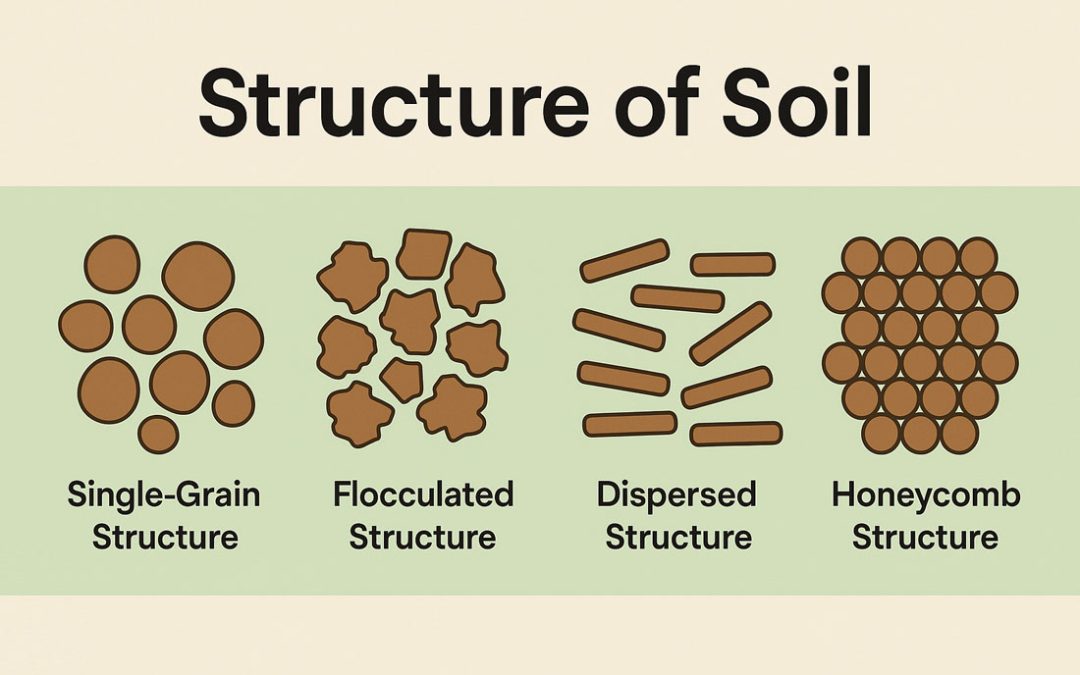
Soil structure refers to how soil particles arrange themselves within the matrix, which includes voids, fissures, and cracks. Several factors influence soil structure, such as the shape and size of particles, mineral composition, grain orientation, interactions...

by Gelogia Team | Jul 19, 2025 | Geology
James Hutton, usually described as the “Father of Modern Geology,” plays a critical role in the field of Earth sciences. His innovative insights contested prevailing perspectives on the Earth’s history and established the basis for contemporary...
by Gelogia Team | Jun 25, 2025 | Geology
Engineering Geology is the study of how geology is used in engineering work. It helps engineers understand rocks, soil, and water before building roads, bridges, dams, tunnels, and other structures. This blog explains what Engineering Geology is, its history, why it...
by Gelogia Team | Jun 13, 2025 | Geology
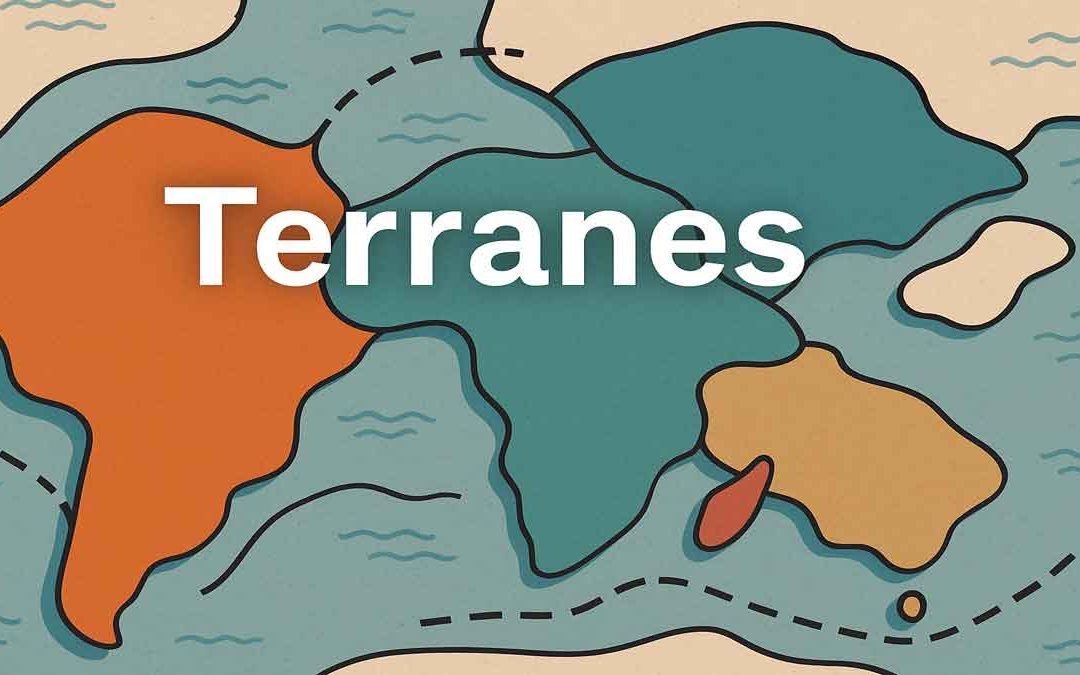
What Are Terranes? Terranes are fault-bounded crustal blocks that have distinct lithologic and stratigraphic successions and geologic histories different from those of neighboring terranes (Schermer et al., 1984). Most terranes have collided with continental...
by Gelogia Team | May 22, 2025 | Geology
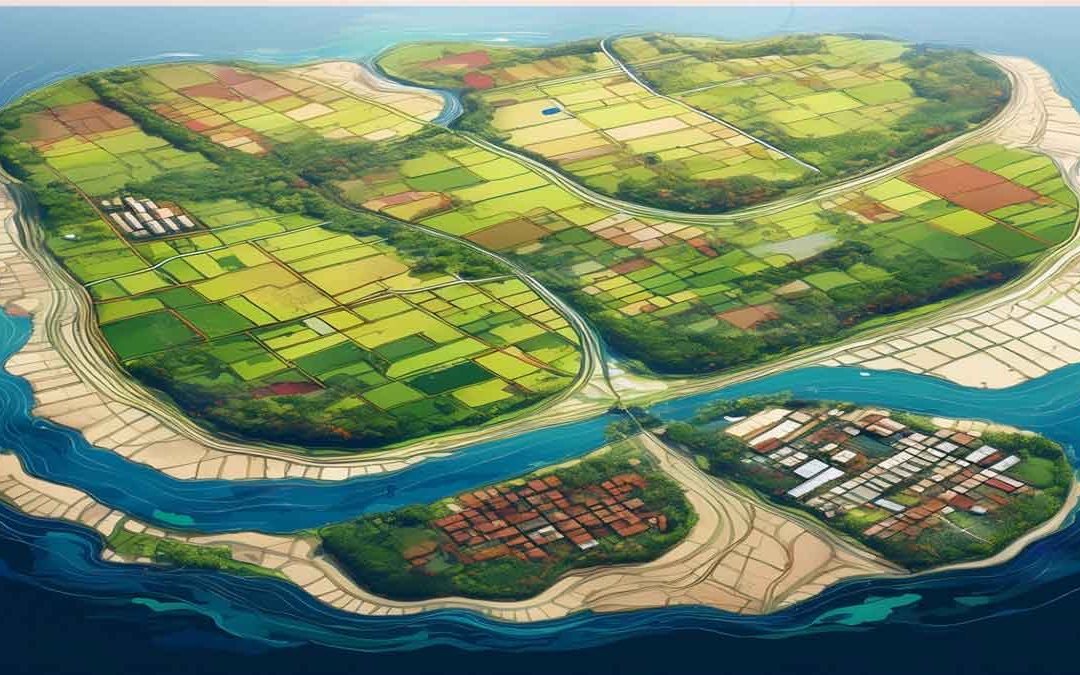
Land is a valuable resource, and using it wisely is important for sustainable growth. In Bangladesh, the land use policy helps manage land use in a planned and responsible way. It aims to protect farmland, boost the economy, and care for the environment while...