by Gelogia | Mar 13, 2026 | Solar System
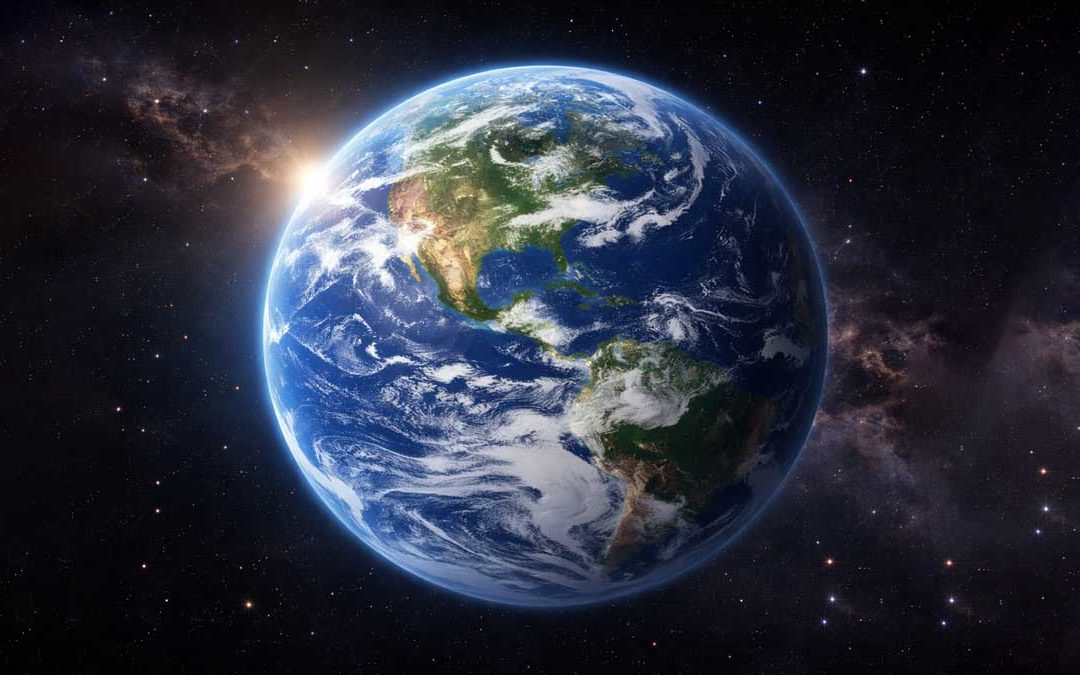
Earth is the third planet from the Sun and the only known planet in the universe that supports life. With vast oceans, a protective atmosphere, and a stable climate, Earth provides the perfect conditions for living organisms to exist and evolve. Scientists believe...
by Gelogia | Mar 13, 2026 | Solar System
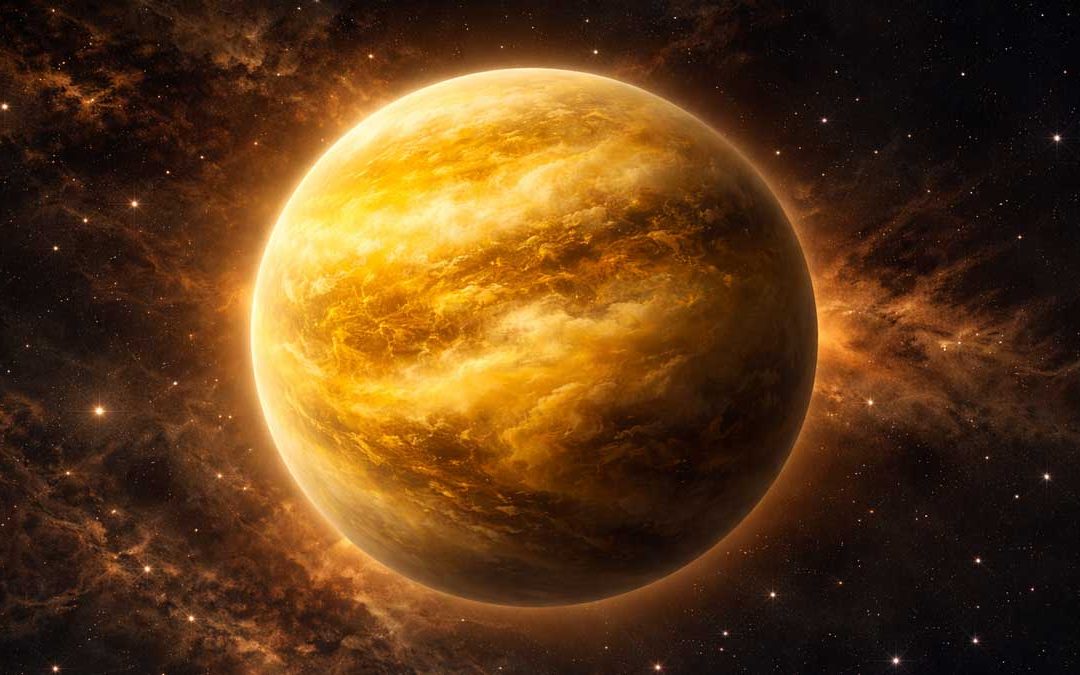
Venus is the second planet from the Sun and the hottest planet in the solar system. Although Mercury is closer to the Sun, Venus becomes much hotter because of its extremely thick atmosphere, which traps heat through a powerful greenhouse effect. Often called Earth’s...
by Gelogia | Mar 13, 2026 | Solar System
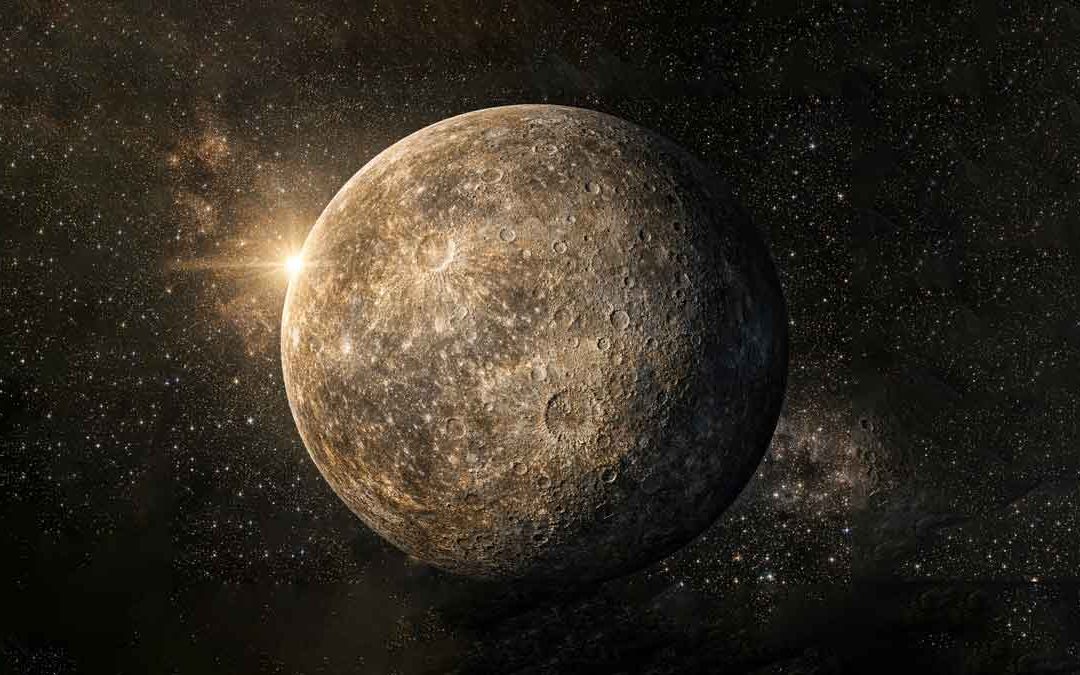
Mercury is the closest planet to the Sun and the smallest planet in the solar system. Despite being so near to the Sun, Mercury is not the hottest planet — that title actually belongs to Venus. Because Mercury is small and lacks a thick atmosphere, it experiences...
by Gelogia | Jul 4, 2025 | Hydrology
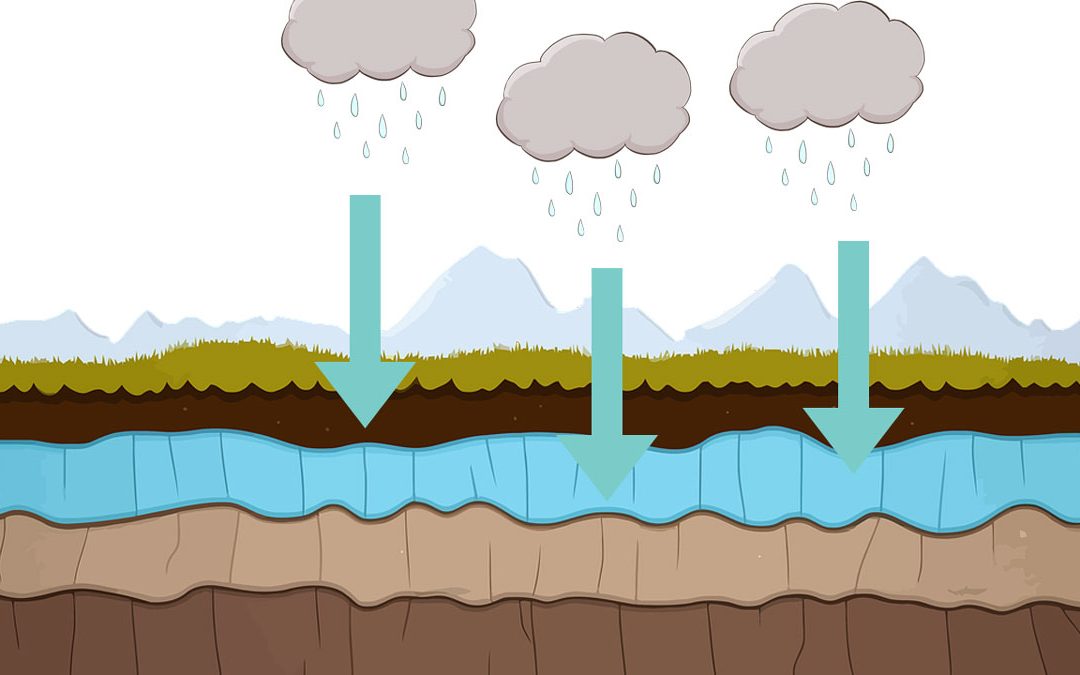
A material is permeable if it contains continuous voids. All materials, such as rocks, concrete, soils, etc., are permeable. The flow of water through all of them obeys approximately the same laws. Hence, the difference between the flow of water through rock or...
by Gelogia | Jan 30, 2025 | Hydrology
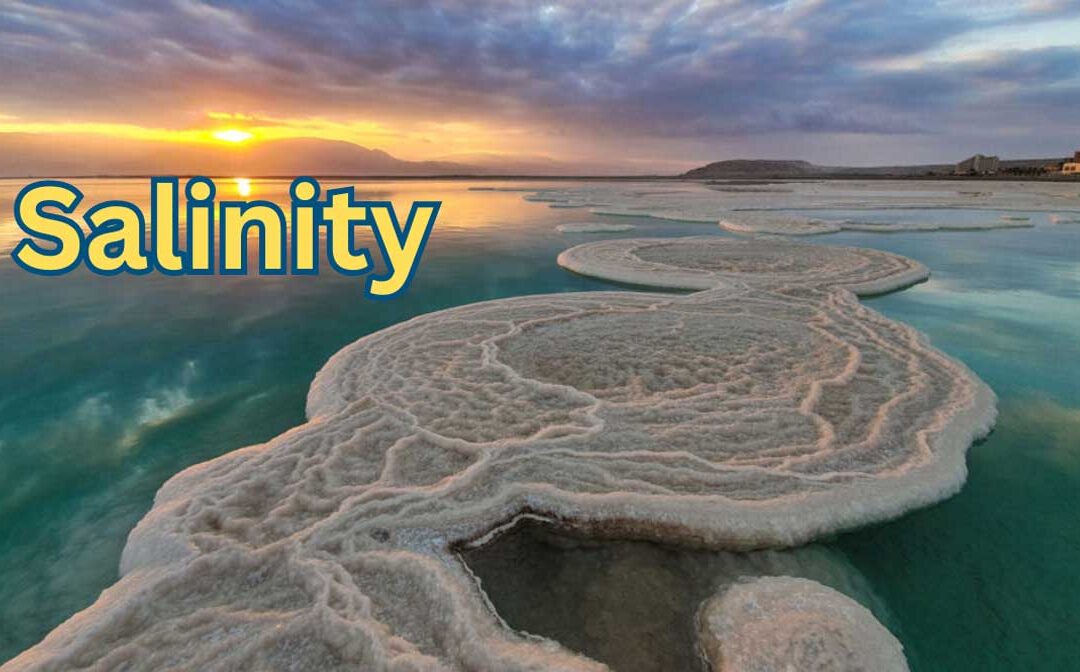
Salinity makes an extraordinary tracer of water motion inside the ocean. Hence, it’s far routinely measured, at the side of any other conservative tracer, temperature. The salinity of seawater commonly averages around 35 ppt, which means 35 grams of salt in step...