by Gelogia Team | Feb 9, 2025 | Mineralogy
Metamorphic Reaction: The study of metamorphic reactions provides vital information about the pressure and temperature conditions of metamorphism. During metamorphism, chemical reactions between components take place to produce a new mineral assemblage. The agents of...
by Gelogia Team | Feb 9, 2025 | Structural Geology
Simple Random Sampling: Simple random sampling is a method of selecting “n” elements from a population of size “N” elements in such a way that each combination of “n” elements has an equal probability of being selected as every other combination. Advantages: This...
by Gelogia Team | Feb 8, 2025 | Structural Geology
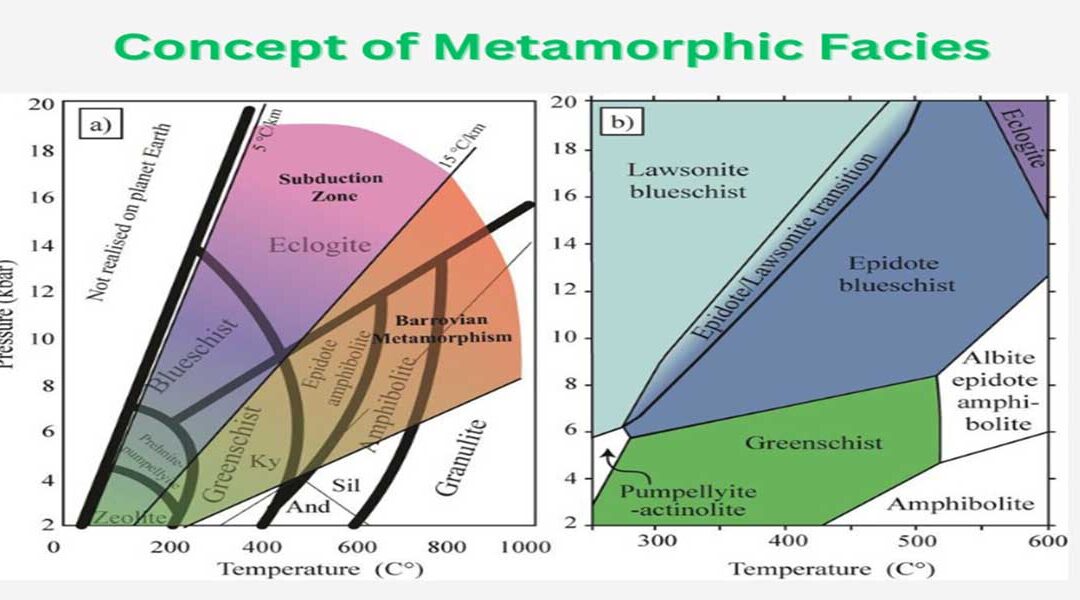
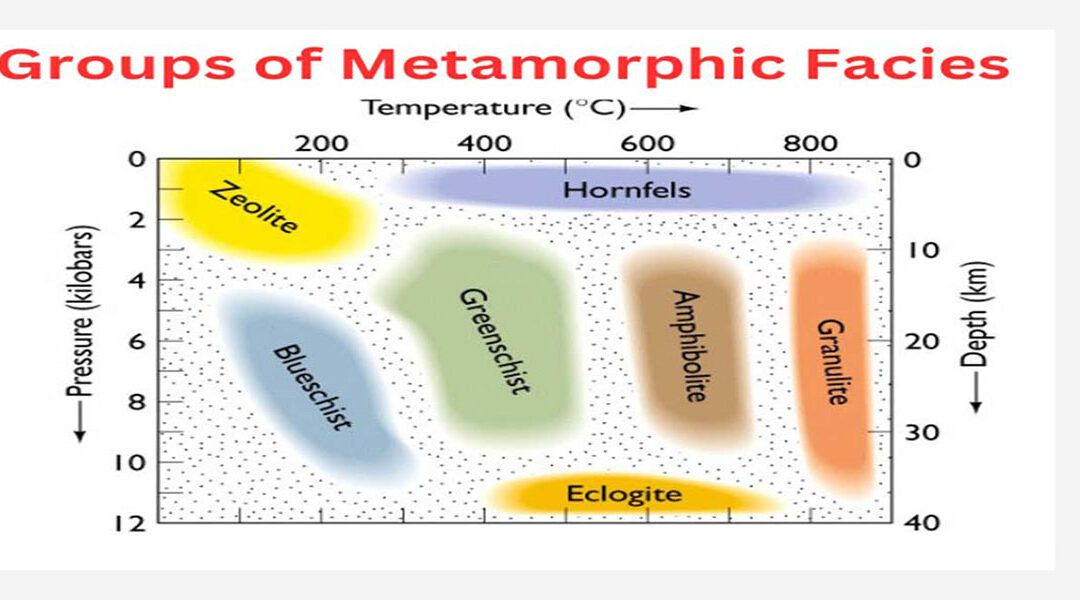
The Concept of Metamorphic Facies, introduced by Eskola in 1915, classifies metamorphic rocks based on mineral assemblages formed under specific temperature and pressure conditions. Each facies represents a distinct P-T field, aiding in the study of metamorphic...
by Gelogia Team | Feb 8, 2025 | Structural Geology, Uncategorized
What are Metamorphic Facies? A metamorphic facies consists of metamorphic mineral assemblages that repeatedly develop in rocks with various bulk chemical compositions across different locations and times, reflecting specific metamorphic conditions. If a rock forms...
by Gelogia Team | Feb 1, 2025 | Petrology
Types of Protoliths: The following rock properties allow the recognition of protoliths: Relict fabrics: In low-grade metamorphic rocks where recrystallization has not created large new grains or substantial deformation has not taken place, boundaries of original...