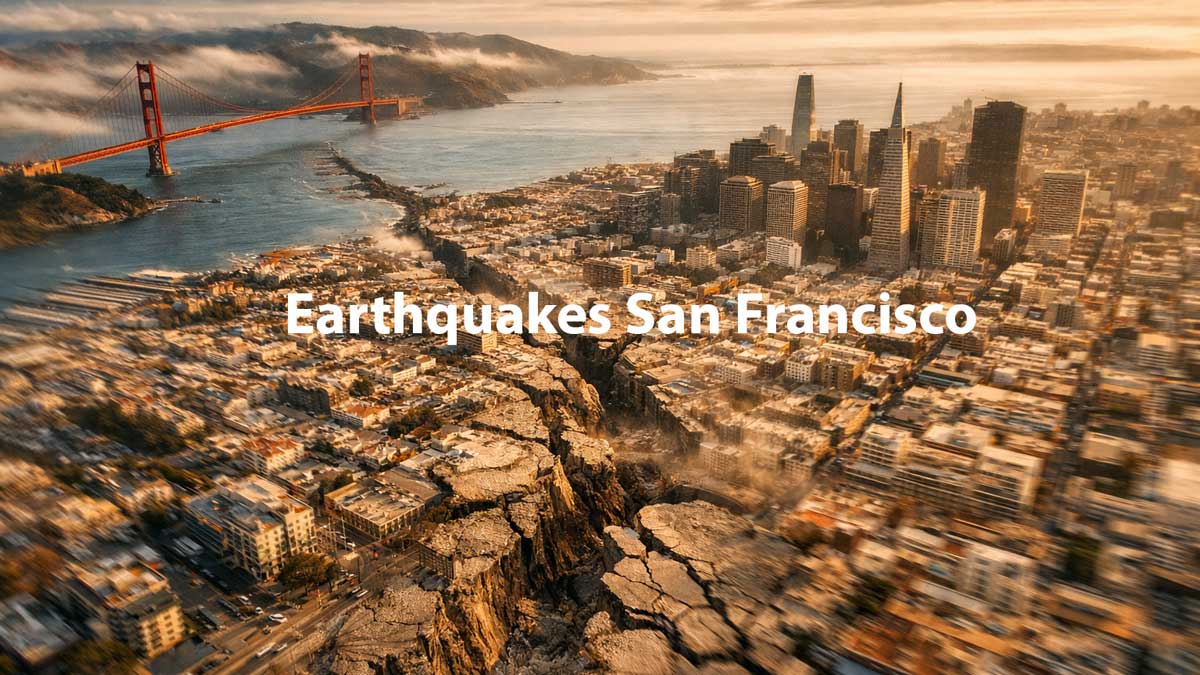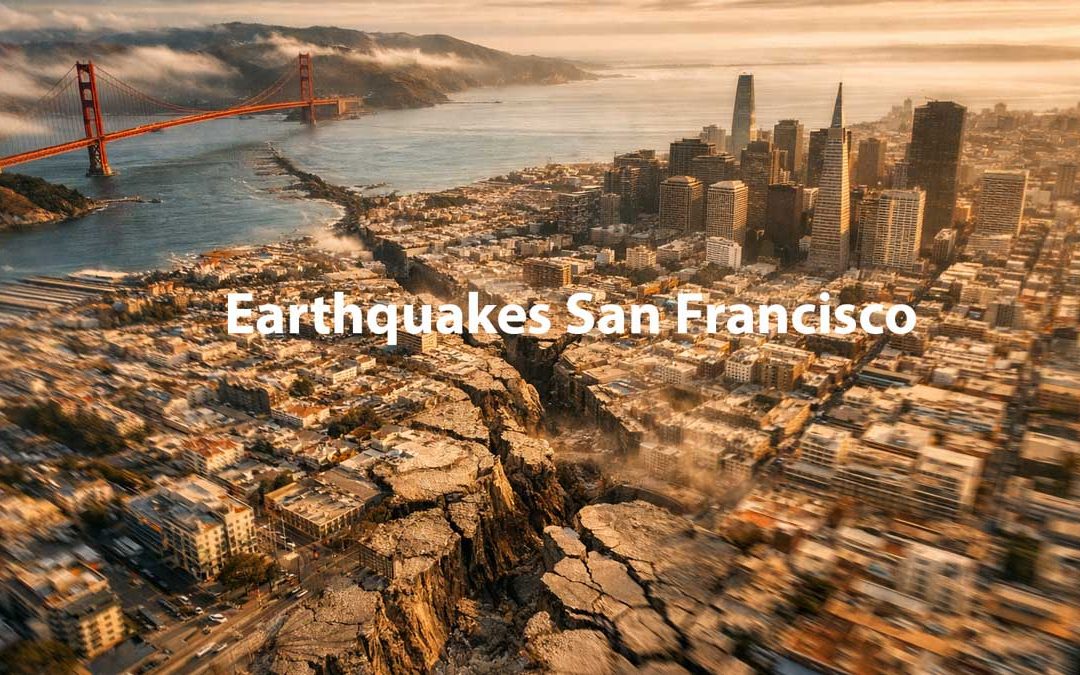
Most people think earthquakes in San Francisco are random — but they’re not.
They happen for a very specific reason: the city sits directly on one of the most active fault systems in the world. That means earthquakes here aren’t rare events — they’re part of how the Earth naturally releases built-up pressure.
To understand this process better, you can read our guide on what causes earthquakes
To understand the risk, you need to understand what’s happening beneath the surface.
Why San Francisco Has So Many Earthquakes
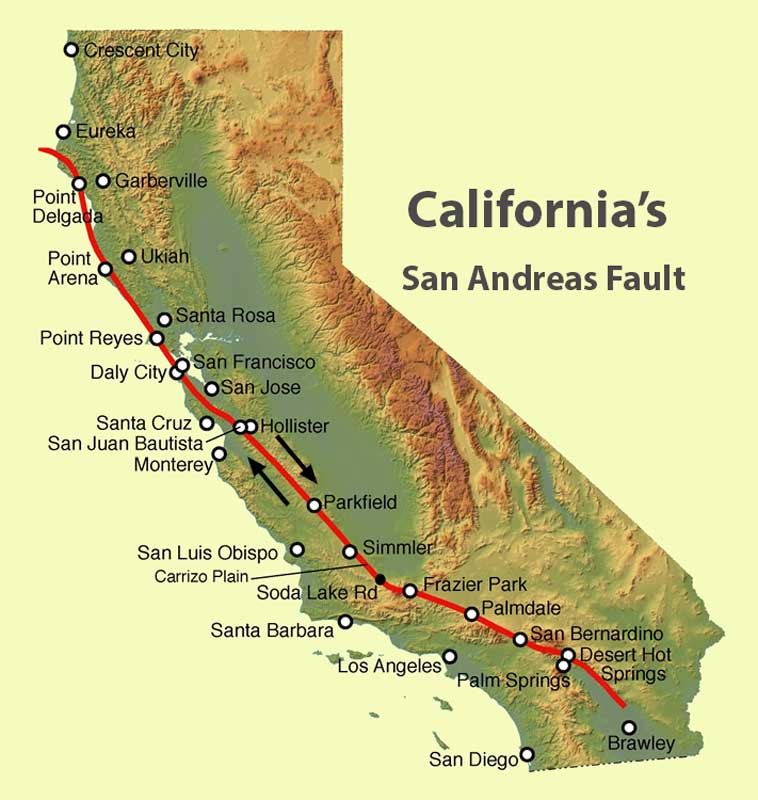
San Francisco lies along the boundary between two massive tectonic plates:
- Pacific Plate
- North American Plate
These plates are constantly moving — but very slowly.
Instead of sliding smoothly, they often get stuck due to friction. Over time, stress builds up. When that stress becomes too great, the rocks suddenly slip.
That sudden release = an earthquake.
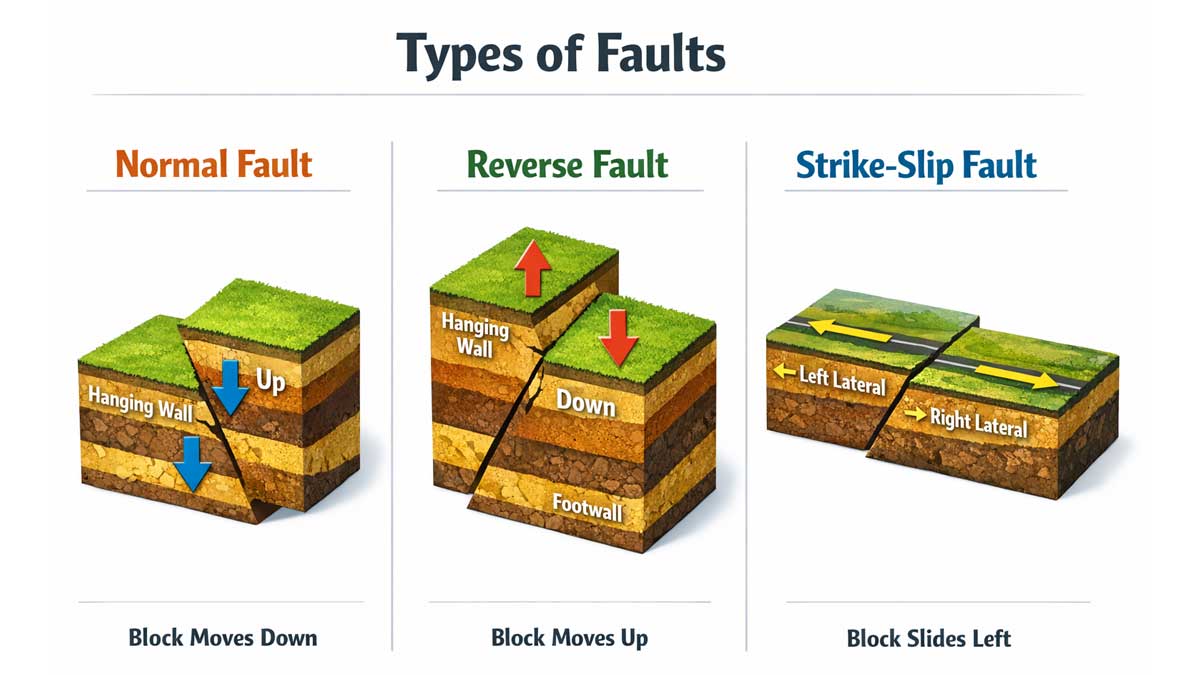
The most important fault here is the San Andreas Fault, but it’s not the only one.
Learn more about how faults work in our fault lines guide
Nearby faults include:
- Hayward Fault (extremely dangerous)
- Calaveras Fault
- San Gregorio Fault
This network of faults is why the region experiences frequent seismic activity.
How Dangerous Are Earthquakes in San Francisco?
Not all earthquakes are equally dangerous.
What really matters is:
1. Depth of the earthquake
Shallow earthquakes cause stronger shaking.
2. Distance from the city
Closer = more intense impact.
3. Ground type
Soft soil areas (like parts of San Francisco) amplify shaking.
This is why understanding magnitude vs intensity is important
Real example:
The 1906 San Francisco earthquake is one of the most destructive earthquakes in history.
- Magnitude: ~7.9
- Massive fires followed
- Over 3,000 deaths
The damage wasn’t just from shaking — but also from infrastructure collapse and fire.
Are Bigger Earthquakes Expected?
Yes — and scientists already know where.
The Hayward Fault is considered one of the most dangerous in the United States.
Why?
- It runs directly under heavily populated areas
- It has a history of major earthquakes
- It is overdue based on historical patterns
Experts estimate a high probability of a major earthquake in the Bay Area within the next few decades.
What Happens During an Earthquake in San Francisco
Here’s what actually happens step by step:
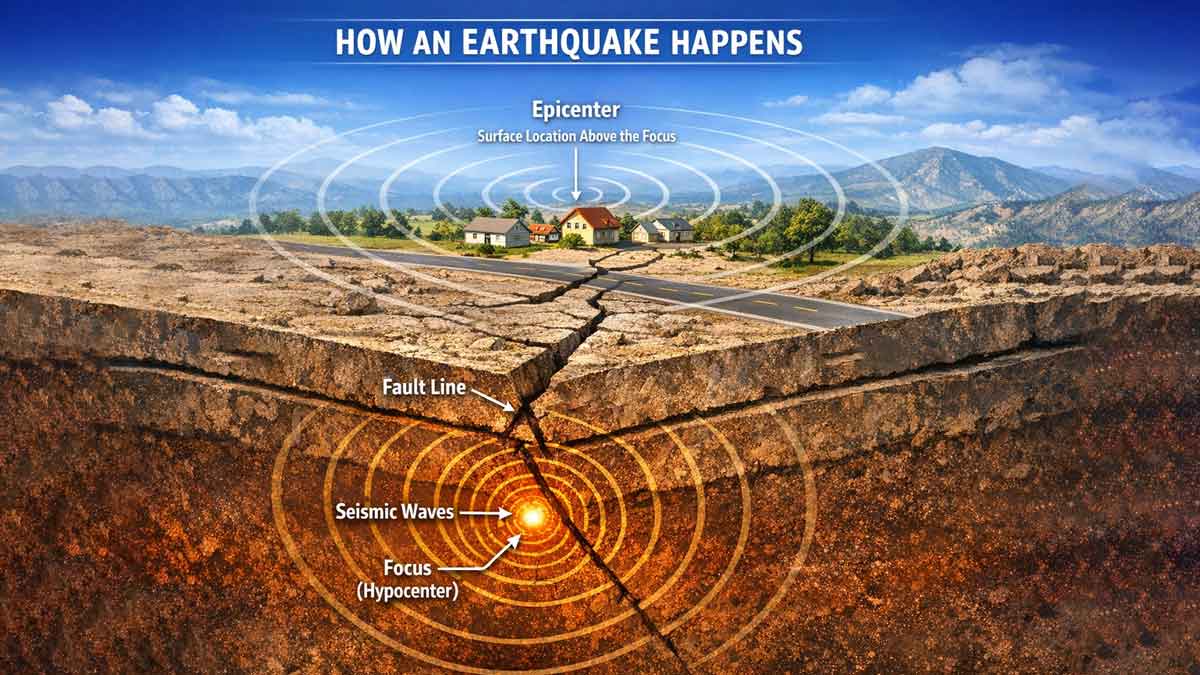
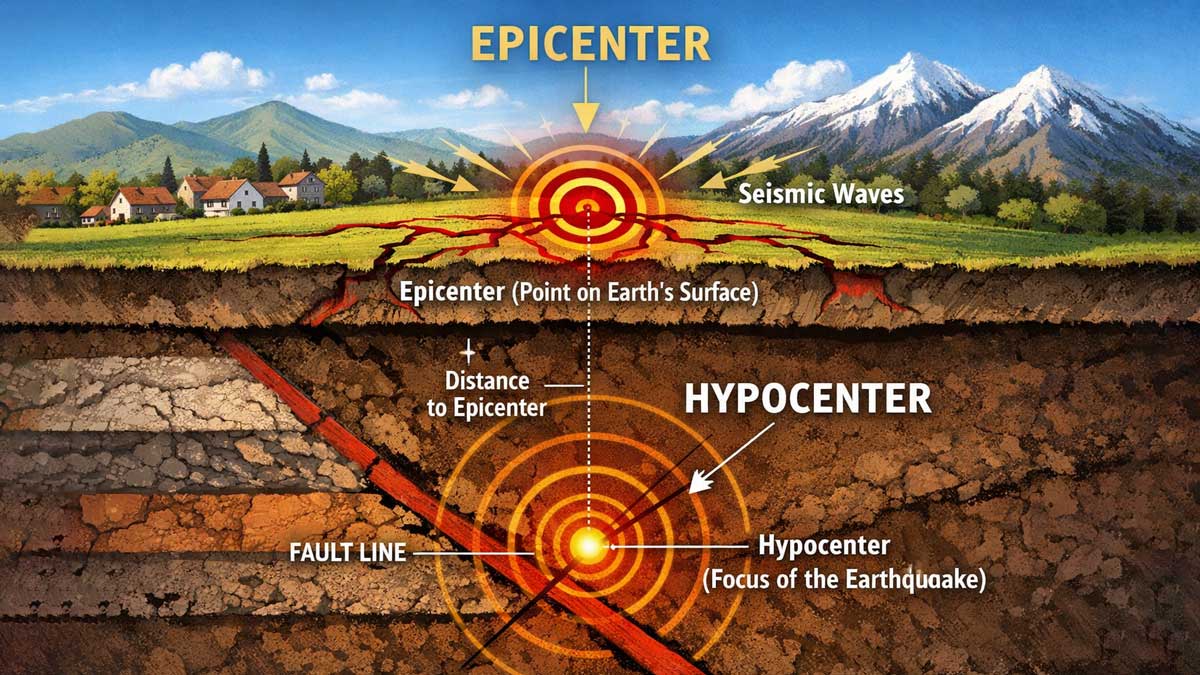
- Stress builds along a fault
- Rocks suddenly break at the focus (underground)
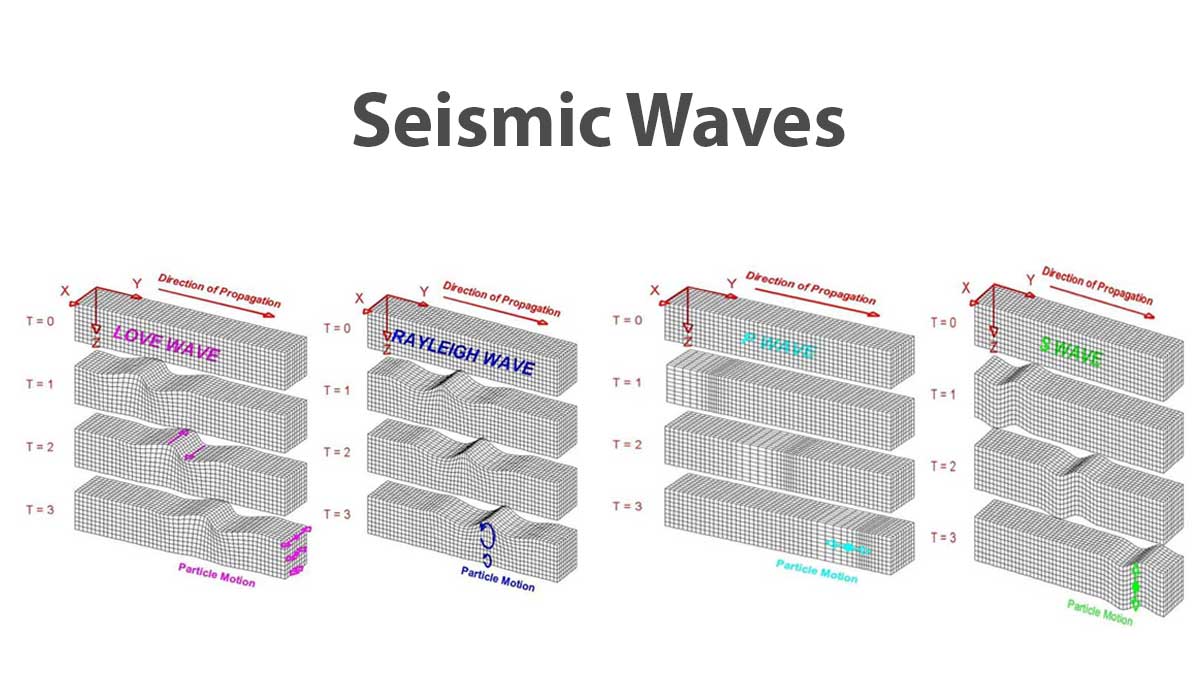
- Energy releases outward as seismic waves
- The epicenter (surface point) experiences shaking
- Buildings respond differently depending on structure
Learn how energy travels in our seismic waves guide
Surface waves cause the most damage — especially in dense urban areas.
Why Some Areas Shake More Than Others
Even within San Francisco, shaking is not equal.
Areas built on:
- landfill
- soft sediment
experience stronger shaking
While areas on:
- solid bedrock
experience less movement
This is why two buildings just blocks apart can have completely different outcomes.
Can Earthquakes Be Predicted?
Short answer: No — not exactly.
Scientists can:
- identify high-risk zones
- estimate probabilities
But they cannot say:
“An earthquake will happen tomorrow at 3 PM”
However, early warning systems can detect fast-moving waves and send alerts seconds before strong shaking arrives.
Even a few seconds can save lives.
To understand prediction limits, explore our full earthquake guide
How Often Do Earthquakes Happen in San Francisco?
Small earthquakes happen regularly — most people don’t feel them.
- Minor quakes: very frequent
- Moderate quakes: occasional
- Major quakes: rare but inevitable
The region is constantly releasing energy — just not always in noticeable ways.
Frequently Asked Questions
Yes — based on historical patterns, a major earthquake is expected in the future, but exact timing is unknown.
The 1906 San Francisco earthquake is the most significant recorded event.
It is not earthquake-free, but modern building codes have greatly improved safety.
Because it lies on the boundary of two major tectonic plates.