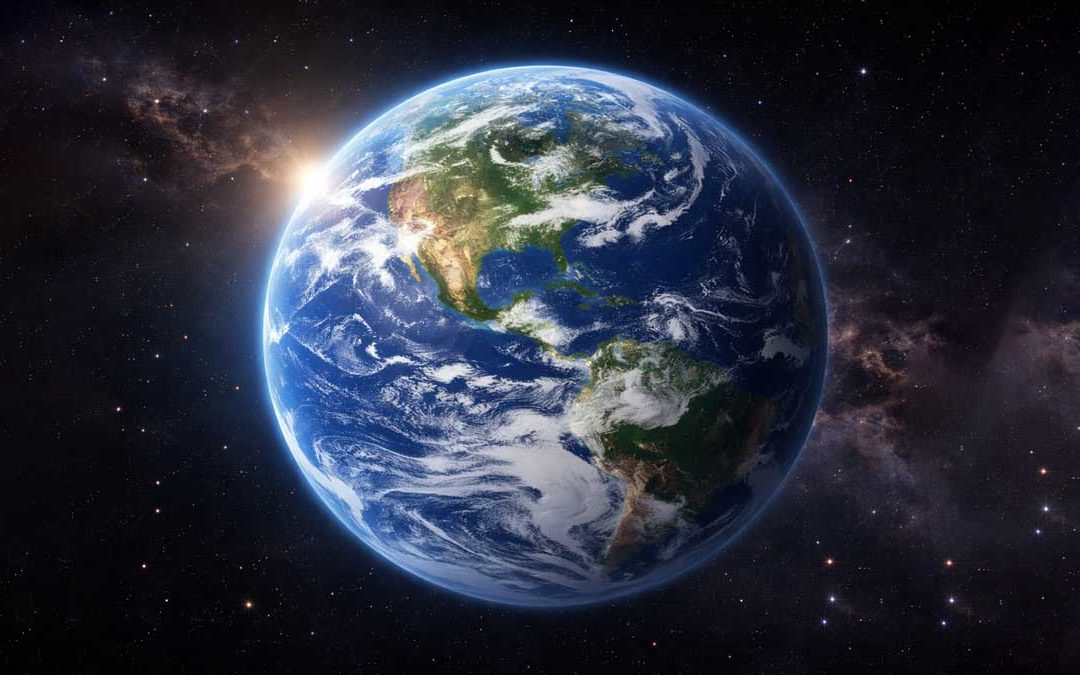
Earth is the third planet from the Sun and the only known planet in the universe that supports life. With vast oceans, a protective atmosphere, and a stable climate, Earth provides the perfect conditions for living organisms to exist and evolve.
Scientists believe Earth formed about 4.6 billion years ago during the early formation of the solar system. Over billions of years, the planet developed oceans, continents, and an atmosphere capable of sustaining life.
From space, Earth appears as a blue planet because about 71% of its surface is covered by water.
Earth Planet Quick Facts (3rd Planet)
| Feature | Information |
|---|---|
| Planet Type | Rocky (Terrestrial) |
| Distance from Sun | 149.6 million km |
| Diameter | 12,742 km |
| Length of Day | 24 hours |
| Length of Year | 365 days |
| Moons | 1 (The Moon) |
| Surface Water | 71% |
| Average Temperature | 15°C |
Size of Earth
Earth has a diameter of about 12,742 kilometers (7,918 miles).
Among the rocky planets, Earth is the largest.
| Planet | Diameter |
|---|---|
| Mercury | 4,879 km |
| Venus | 12,104 km |
| Earth | 12,742 km |
| Mars | 6,779 km |
Because of its size and gravity, Earth can maintain a thick atmosphere that protects life. Check out the planet size comparison.
Earth’s Atmosphere
Earth’s atmosphere is essential for life.
It consists mainly of:
- Nitrogen (78%)
- Oxygen (21%)
- Argon
- Carbon dioxide
The atmosphere protects Earth by:
- blocking harmful solar radiation
- regulating temperature
- allowing breathable oxygen for living organisms
Without this atmosphere, life as we know it would not exist.
Earth’s Oceans and Water
Water is one of the most important features of Earth.
About 71% of the planet’s surface is covered by oceans, making Earth unique in the solar system.
Water helps regulate the planet’s climate and supports a wide variety of life forms.
Scientists continue to study Earth’s oceans to better understand climate systems and marine ecosystems.
Earth’s Moon
Earth has one natural satellite, known simply as the Moon.
The Moon is about 384,400 kilometers away from Earth and plays an important role in stabilizing the planet’s rotation.
Scientists believe the Moon formed billions of years ago after a massive collision between Earth and another planetary body.
The Moon also causes ocean tides through gravitational interaction.
Earth’s Rotation and Orbit
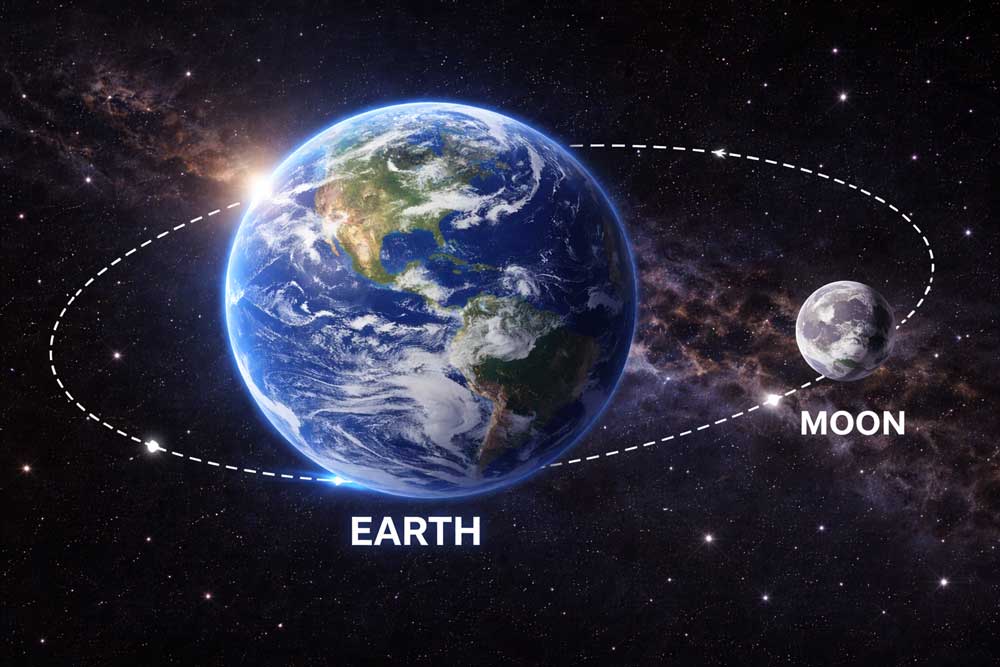
Earth rotates on its axis once every 24 hours, creating the cycle of day and night.
At the same time, Earth orbits the Sun once every 365 days, which defines a year.
Earth’s axis is tilted by about 23.5 degrees, which causes the changing seasons.
Earth’s Surface
Earth’s surface is made up of several major components:
- continents
- oceans
- mountains
- deserts
- forests
- rivers and lakes
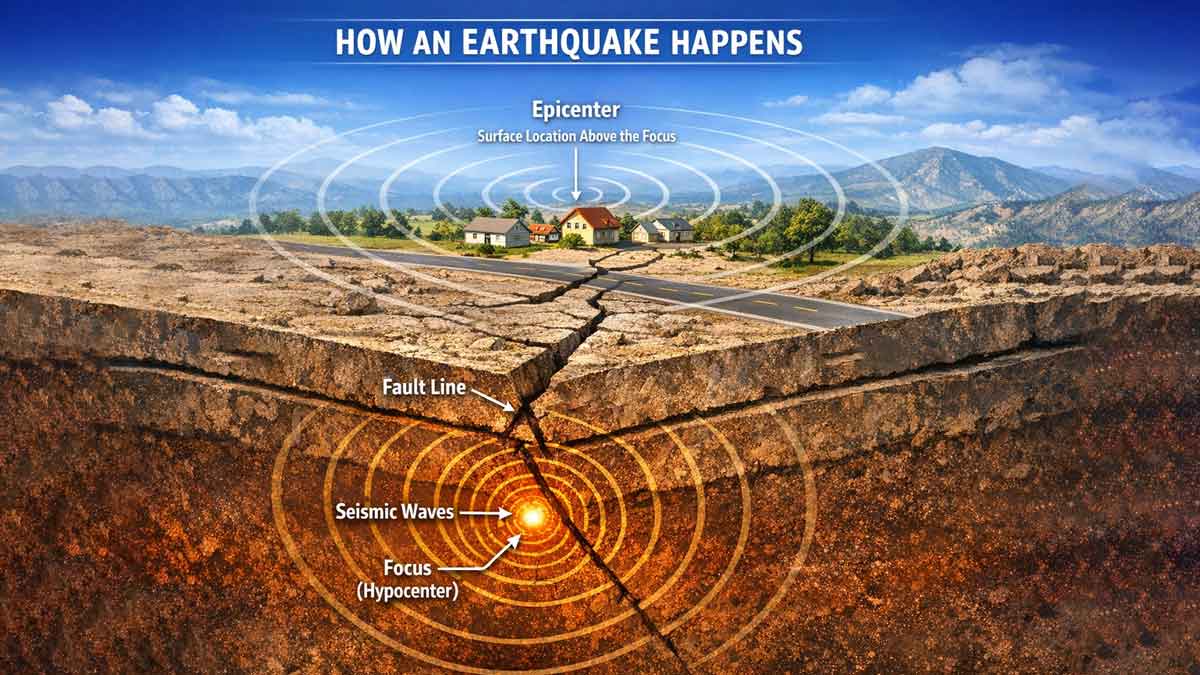
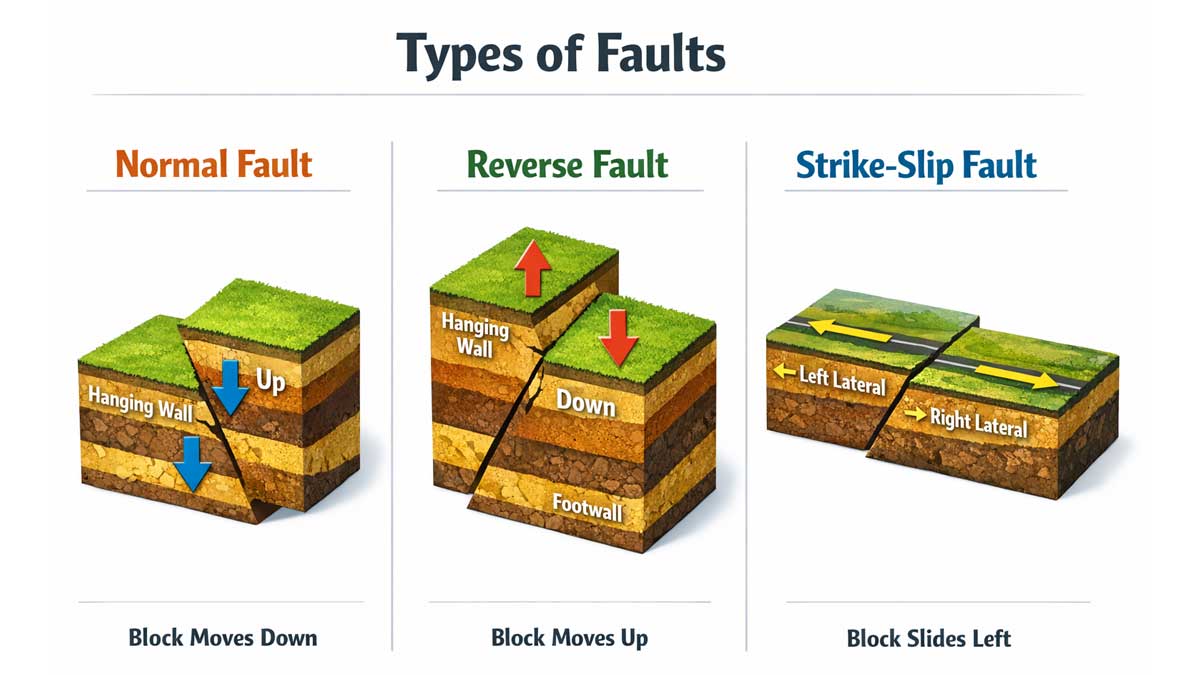
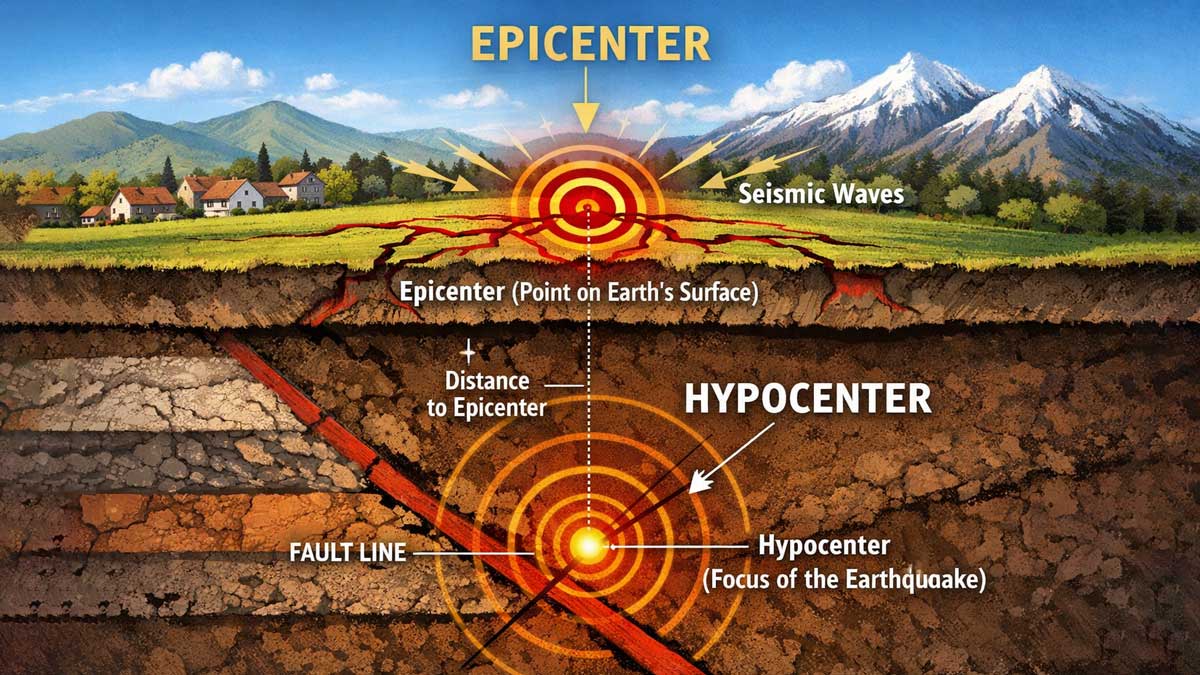
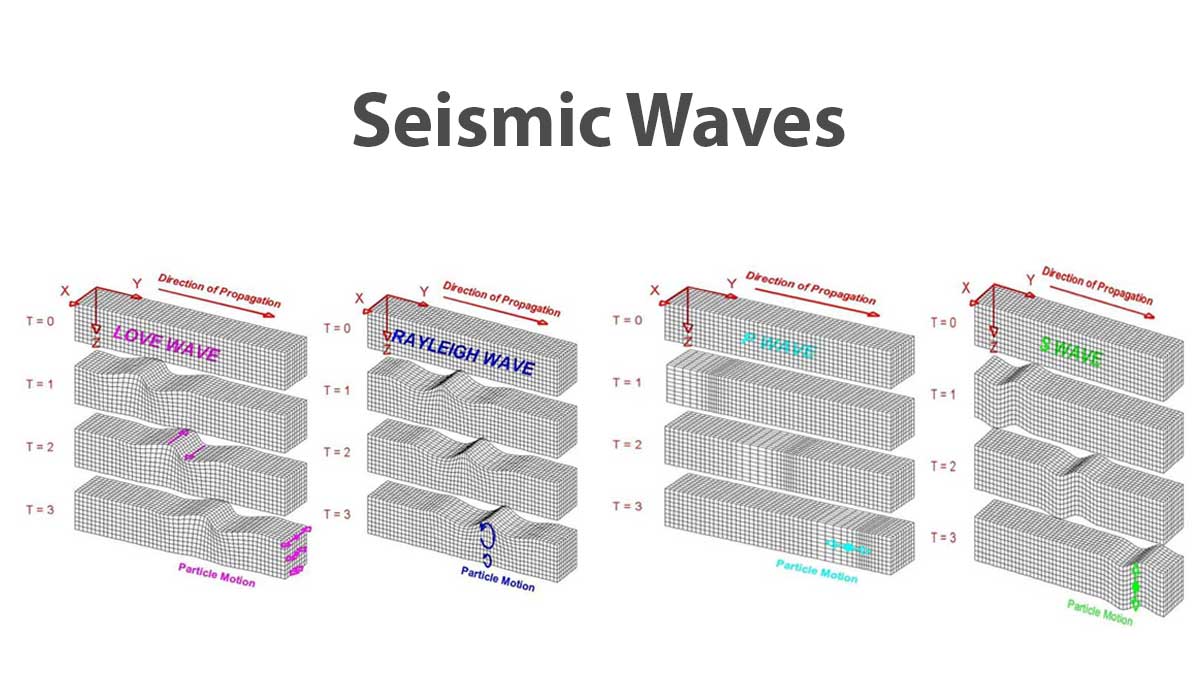
The outer layer of the planet is divided into tectonic plates that slowly move over time. These movements cause earthquakes, volcanoes, and the formation of mountains.
Why Earth Supports Life
Earth has several unique characteristics that make life possible:
• Liquid water
• A protective atmosphere
• A stable temperature range
• A magnetic field that shields the planet from solar radiation
These factors create an environment where plants, animals, and microorganisms can survive.
Exploration of Earth from Space
Although humans live on Earth, scientists still study the planet using satellites and space missions.
Space agencies monitor Earth to observe:
- climate change
- weather patterns
- ocean temperatures
- natural disasters
These observations help scientists better understand how Earth works as a complex system.
Interesting Facts About Earth
• Earth is the only planet known to support life.
• About 71% of Earth’s surface is water.
• Earth has a powerful magnetic field that protects it from solar radiation.
• The Moon helps stabilize Earth’s rotation.
• Earth is the largest rocky planet in the solar system.
Other Planets in the Solar System
Earth is only one of the eight planets orbiting the Sun.
You can also explore:
- Mercury – the smallest planet
- Venus – the hottest planet
- Mars – the red planet
- Jupiter – the largest planet
- Saturn – famous for its rings
- Uranus – the tilted ice giant
- Neptune – the farthest planet
Also read the full guide: Solar System Planets
FAQ About Earth
Earth is a rocky planet, also called a terrestrial planet.
Earth appears blue from space because oceans cover most of its surface.
Earth formed about 4.6 billion years ago.