by Gelogia | Nov 9, 2024 | Physical Geology
Geophysics is the study of the physical properties and processes of the Earth and its surrounding environment using physics, earth science, and technology. Understanding “what geophysics is” gives helpful insight into anything from natural resources to...
by Gelogia | Oct 28, 2024 | Physical Geology, Solar System
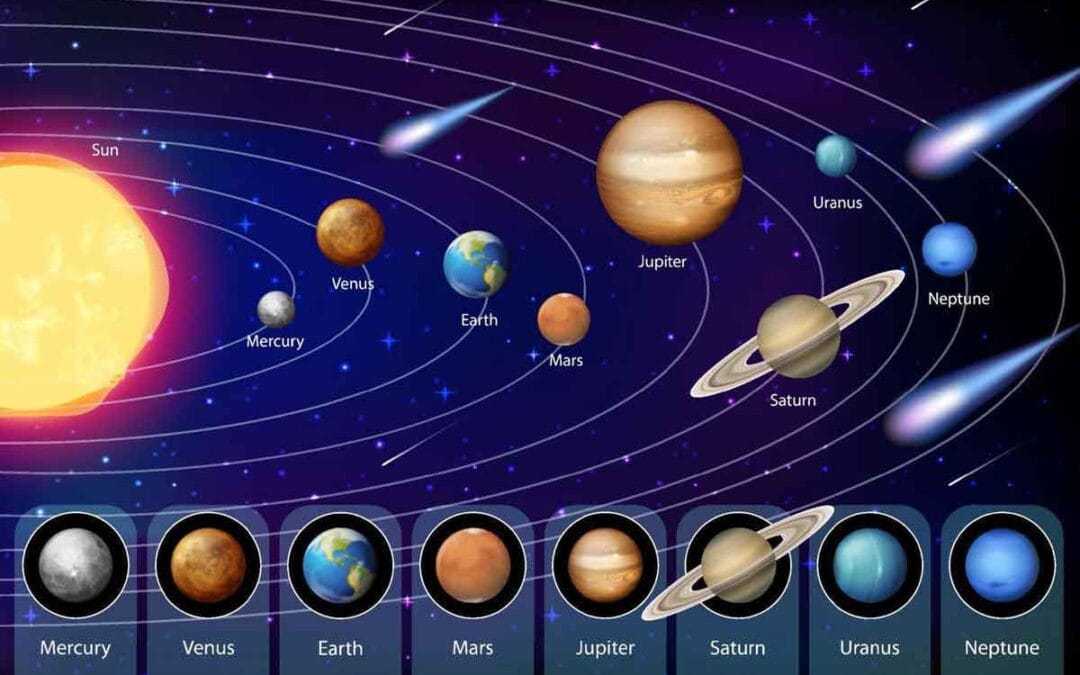
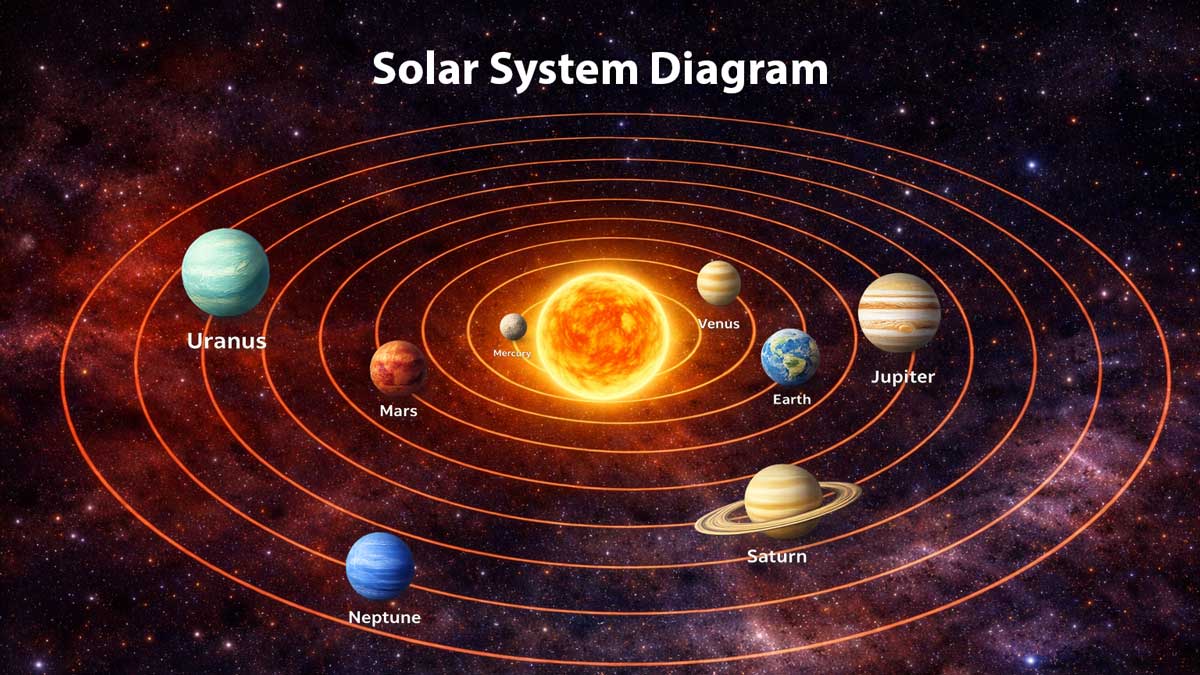
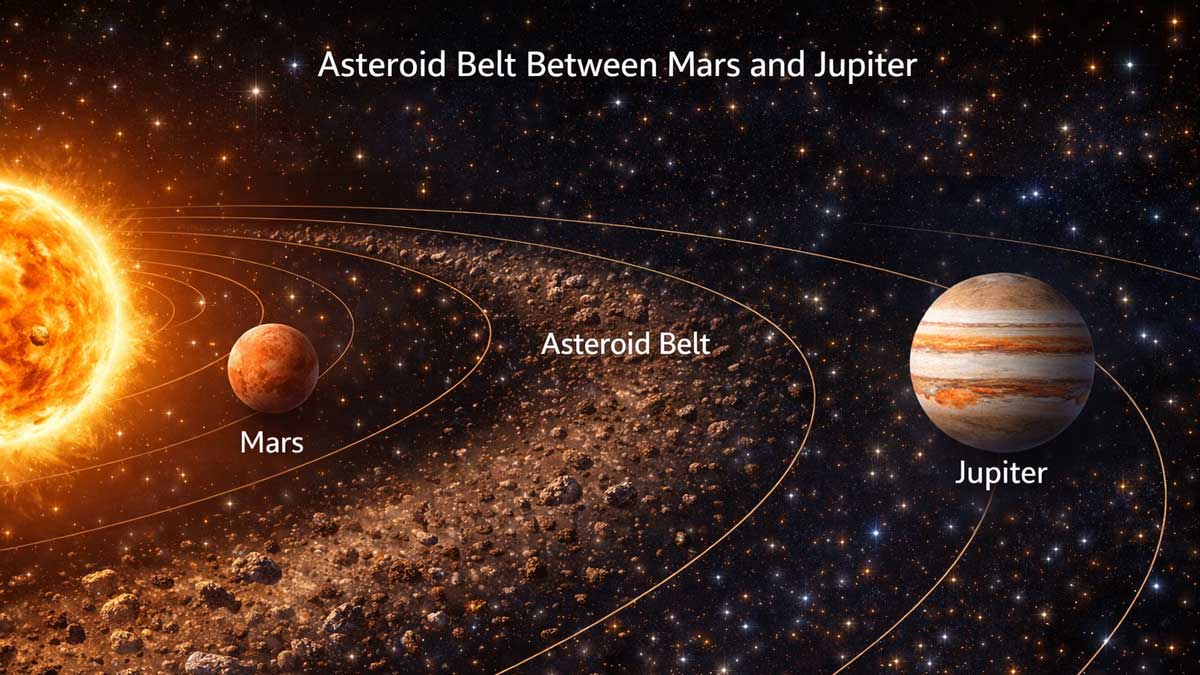
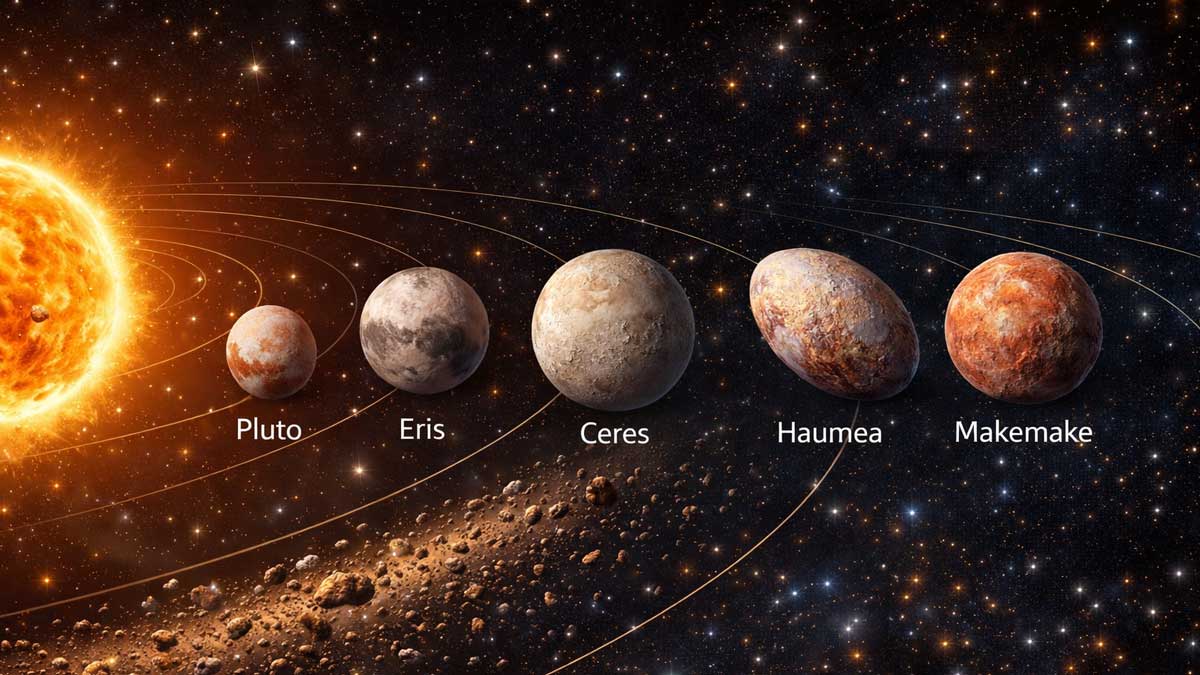
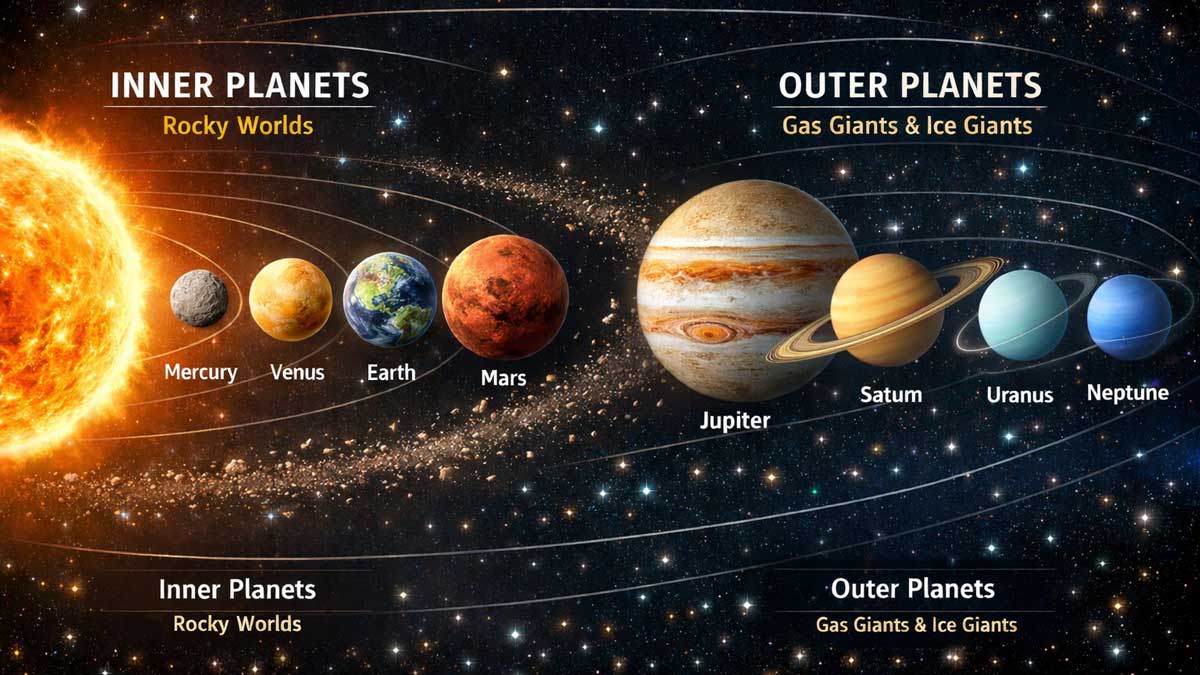
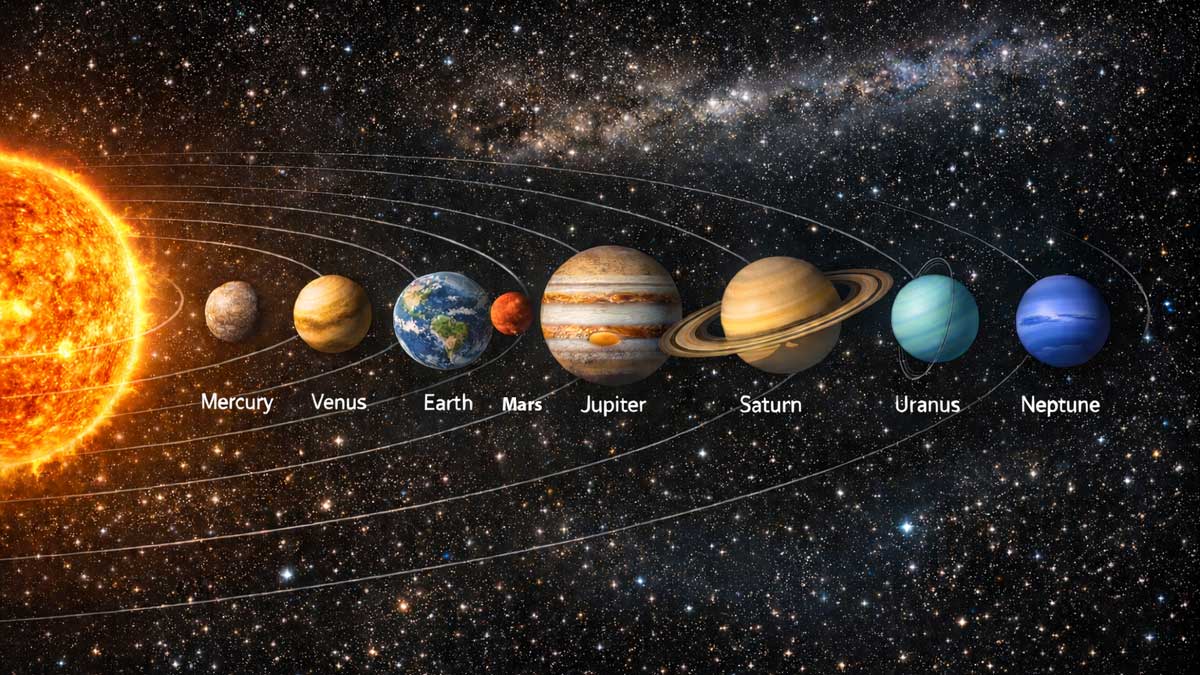
The solar system consists of the Sun and all celestial objects that orbit around it under the force of gravity. Scientists believe the solar system formed about 4.6 billion years ago when a dense region of gas and dust collapsed, creating the Sun and a surrounding...
by Gelogia | Oct 23, 2024 | Physical Geology
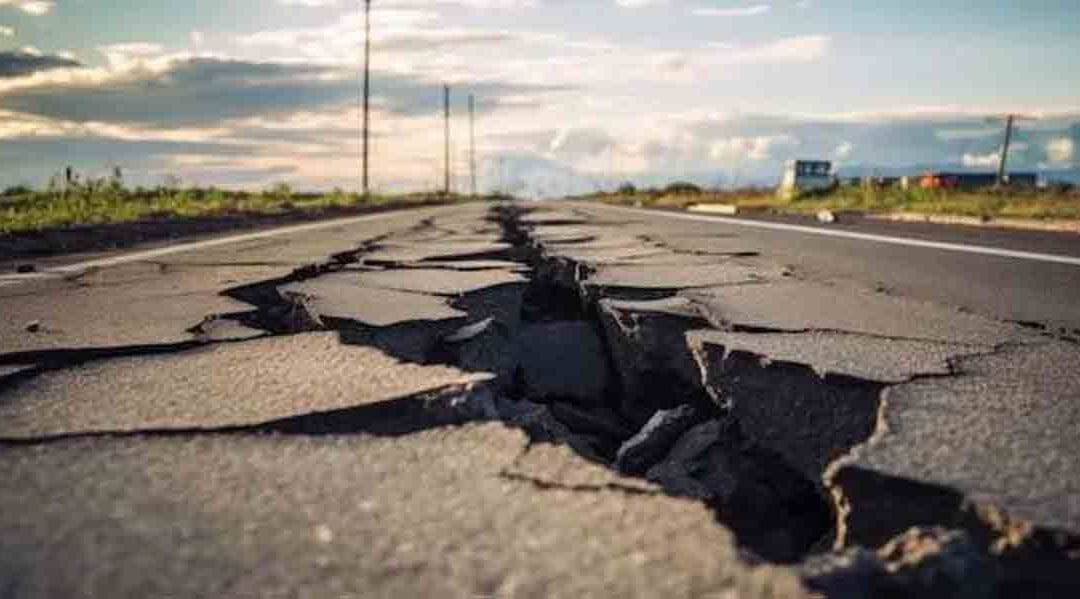
Earthquakes commonly affect other parts of Earth systems. The intense shaking associated with an earthquake can cause tremendous damage and loss of life. Still, it can also trigger landslides that may disperse pathogenic microbes into the atmosphere and cause...
by Gelogia | Oct 21, 2024 | Physical Geology
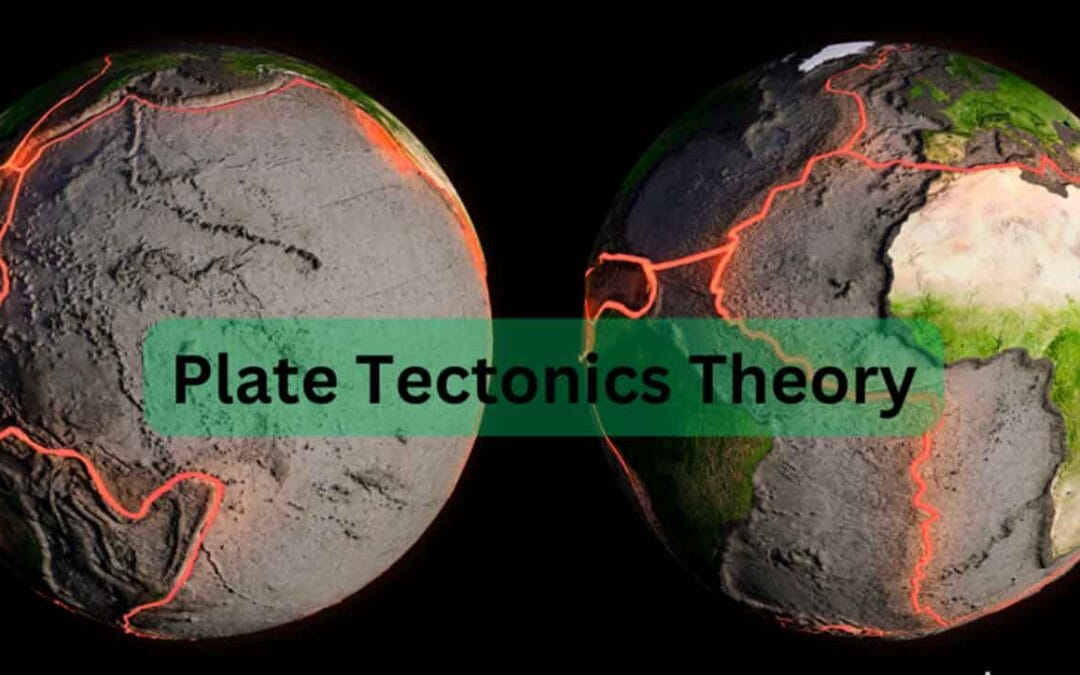
The theory of plate tectonics, which refers to “plate structure,” originated in the 1960s. This theory elucidates the dynamics of the Earth’s plates, a phenomenon that has been scientifically validated, and accounts for the origins of earthquakes,...
by Gelogia | Oct 20, 2024 | Physical Geology
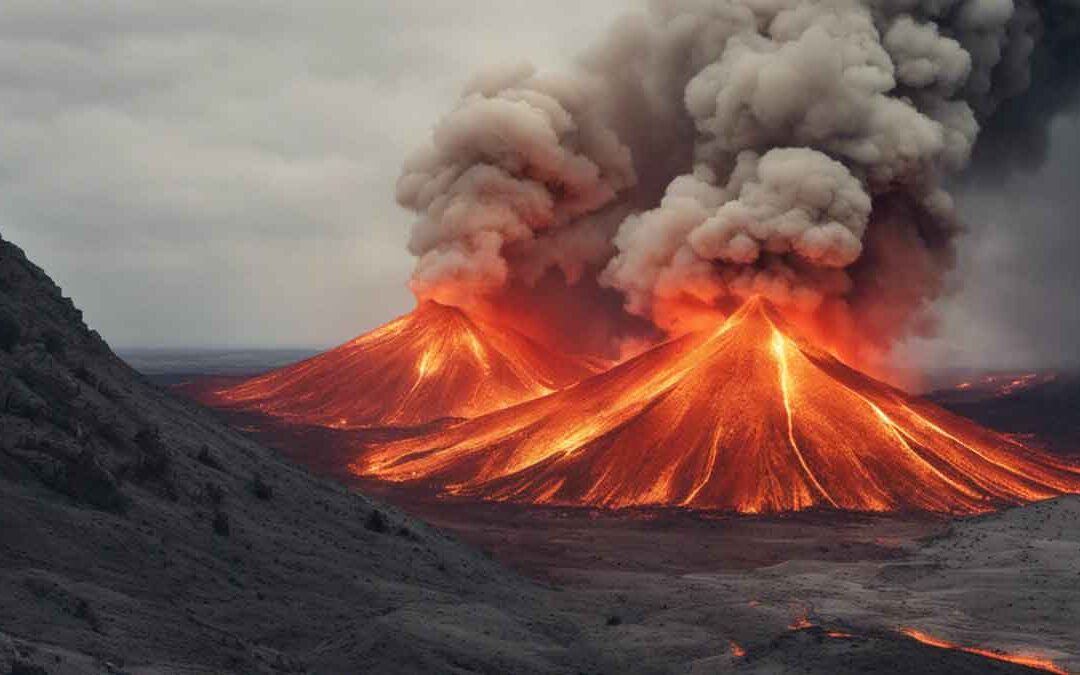
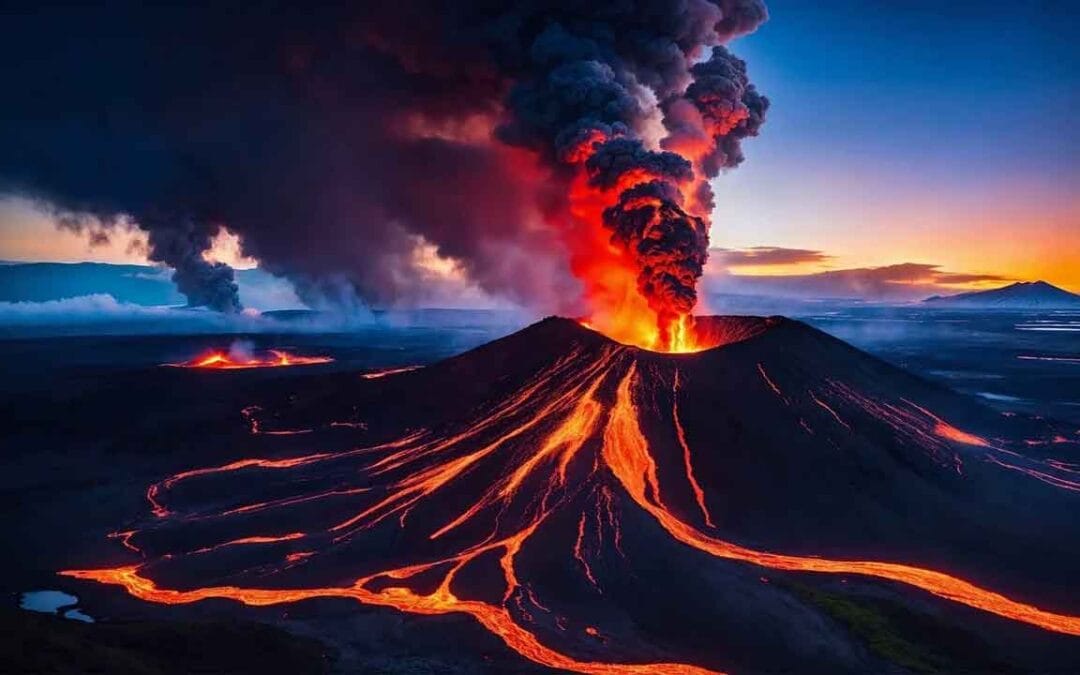
Causes of Volcanism: When volcanoes erupt, the mantle’s temperature reaches about half its melting point, causing its viscosity to drop significantly. This large-scale melting rapidly decreases viscosity, allowing the material to move more quickly and increasing...
by Gelogia | Oct 19, 2024 | Physical Geology
Volcanism is a vital process that involves bringing material from a planet’s deep interior and releasing it onto the surface. This phenomenon contributes to a planet’s cooling and introduces new molecules into the atmosphere through eruptions. In addition...