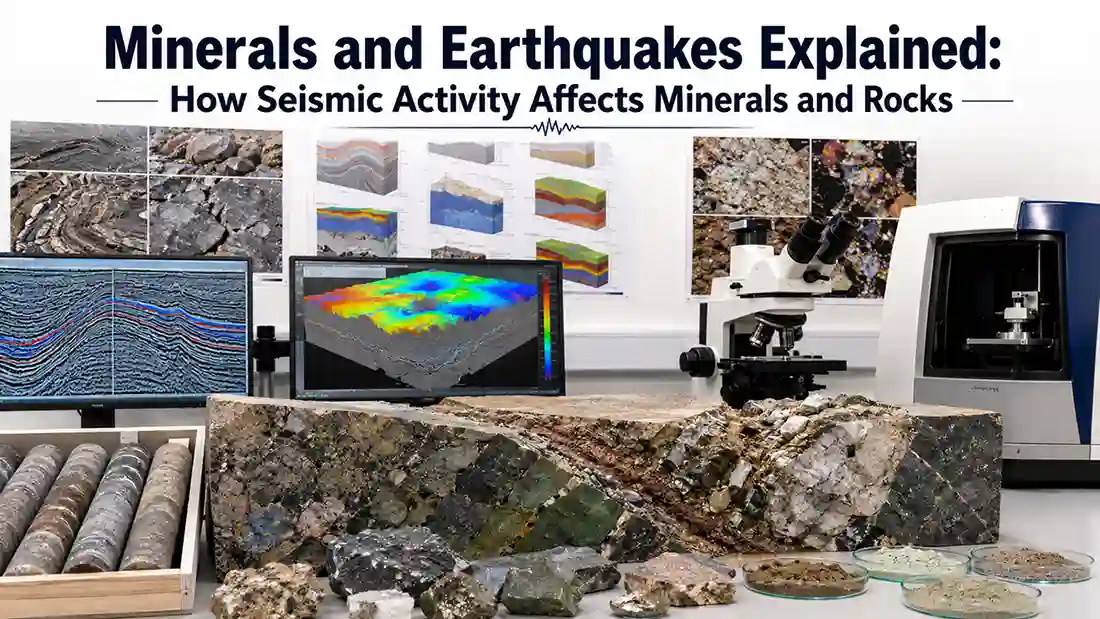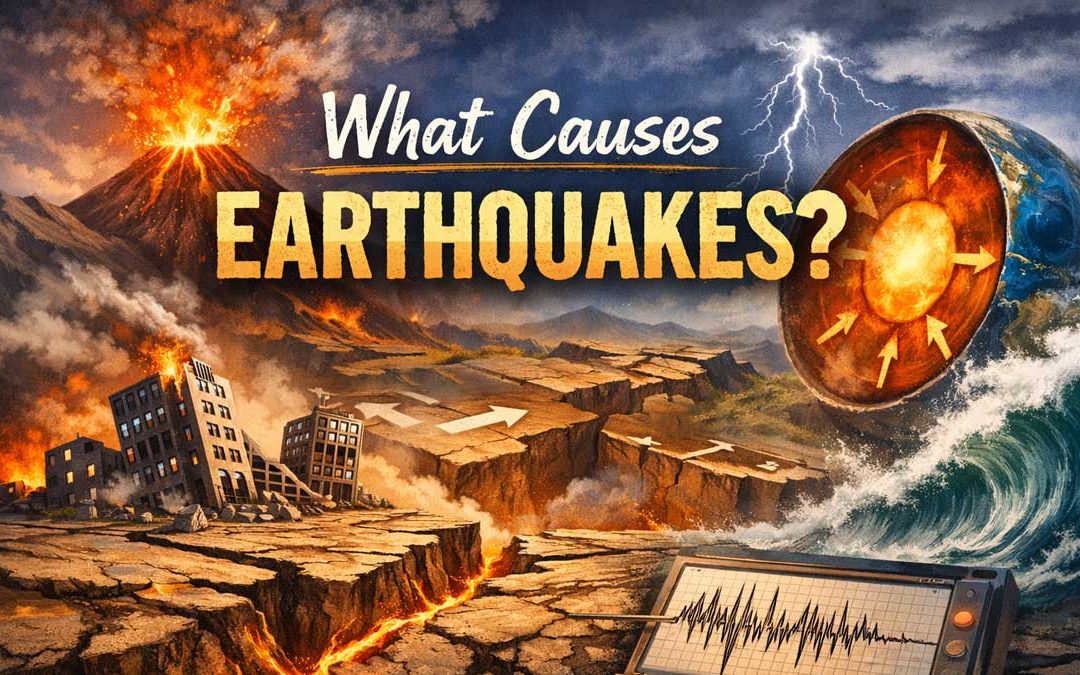
Earthquakes are caused by the sudden release of energy inside the Earth’s crust. This energy builds up over time due to the movement of tectonic plates and is released when rocks break or slip along faults.
While most earthquakes are natural, some can also be triggered by human activities. Understanding the causes helps scientists identify high-risk areas and improve safety measures.
The Main Cause: Tectonic Plate Movement
The Earth’s outer layer is made up of large pieces called tectonic plates. These plates are constantly moving, although very slowly.
There are three main types of plate movement:
- Convergent boundaries (plates collide)
- Divergent boundaries (plates move apart)
- Transform boundaries (plates slide past each other)
As these plates interact, stress builds up in the Earth’s crust. When the stress becomes too strong, it is released suddenly, causing an earthquake.
Learn more about what an earthquake is and how it happens.
Fault Lines and Earthquakes
A fault is a crack or fracture in the Earth’s crust where rocks can move. Most earthquakes occur along these fault lines.
When pressure builds up along a fault, the rocks eventually slip, releasing energy. This sudden movement generates seismic waves that cause ground shaking.
Famous fault zones include:
- San Andreas Fault (California)
- Alpine Fault (New Zealand)
- North Anatolian Fault (Turkey)
Volcanic Activity
Earthquakes can also be caused by volcanic activity. When magma moves beneath the Earth’s surface, it creates pressure and can trigger small earthquakes.
These are usually less powerful than tectonic earthquakes but can signal upcoming volcanic eruptions.
Volcanic earthquakes often occur in:
- Iceland
- Japan
- Indonesia
Human-Induced Earthquakes
Some earthquakes are caused by human activities. These are usually smaller but still important to understand.
Examples include:
- Mining operations
- Reservoir-induced earthquakes (large dams)
- Oil and gas extraction
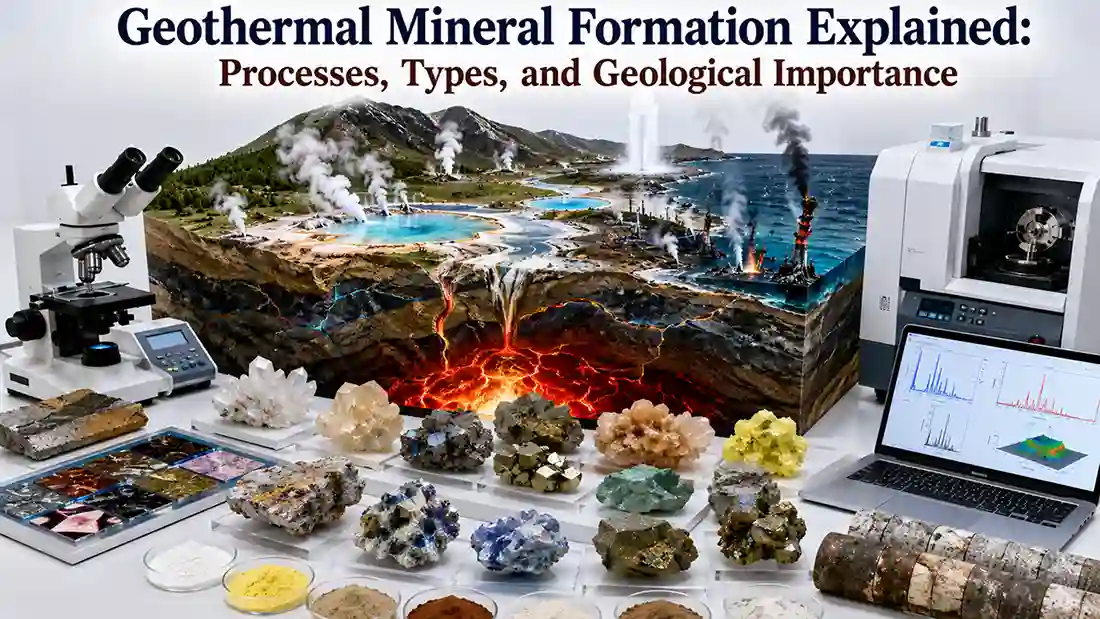
- Geothermal energy projects
- Underground explosions
Although less common, these activities can disturb the balance of stress underground.
Why Stress Builds Up in the Earth
The Earth’s crust is not smooth or flexible. As tectonic plates move, friction prevents them from sliding easily.
This leads to:
- stress accumulation
- rock deformation
- eventual break or slip
When the rock can no longer hold the stress, it releases energy instantly — resulting in an earthquake.
Where Do Earthquakes Occur Most?
Earthquakes are most common near plate boundaries, especially in active regions.
Major earthquake zones include:
- Pacific Ring of Fire
- California (USA)
- Japan
- Alaska
- Indonesia
These areas experience frequent earthquakes because tectonic activity is high.
Can Earthquakes Be Prevented?
Earthquakes cannot be prevented because they are caused by natural processes deep inside the Earth.
However, their impact can be reduced by:
- building earthquake-resistant structures
- improving early warning systems
- planning safer cities
Understanding the causes is the first step toward reducing risk.
Simple Explanation of Earthquake Causes
Earthquakes happen when stress builds up inside the Earth and is suddenly released due to movement along faults or tectonic plates.
Conclusion
Earthquakes are mainly caused by tectonic plate movement and fault activity, but they can also result from volcanic processes and human actions. The key idea is the sudden release of built-up energy inside the Earth.
By understanding these causes, scientists can better study seismic activity and help communities prepare for future earthquakes. If you're curious about how earthquakes spread, you can learn more about seismic waves.
To understand the full topic, explore our complete guide to earthquakes and related topics.
Frequently Asked Questions
The main cause is tectonic plate movement, which creates stress in the Earth’s crust.
Fault lines are cracks in the Earth where rocks move and earthquakes often occur.
Yes, activities like mining, drilling, and reservoir construction can trigger small earthquakes.
Most are small, but they can indicate volcanic eruptions, which may be dangerous.
Because tectonic plates interact and create stress in these regions.
They can happen almost anywhere, but they are more common near tectonic plate boundaries.