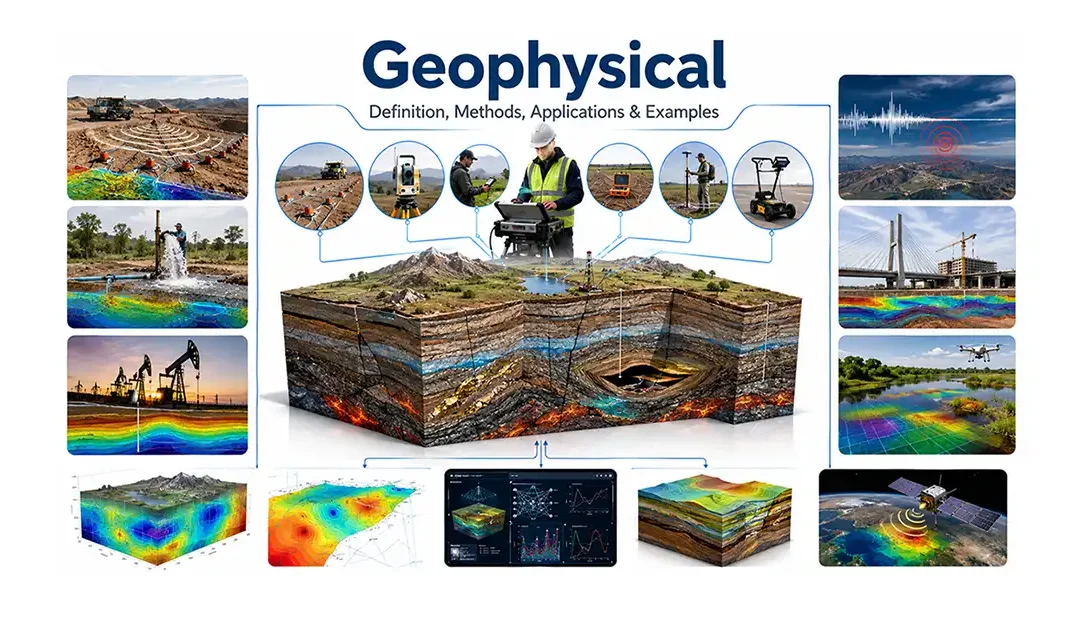
 Every day, scientists investigate what lies beneath the Earth’s surface without digging deep into the ground. They can locate hidden mineral deposits, detect underground water, map buried faults, and even study the structure of the Earth’s interior. Much...
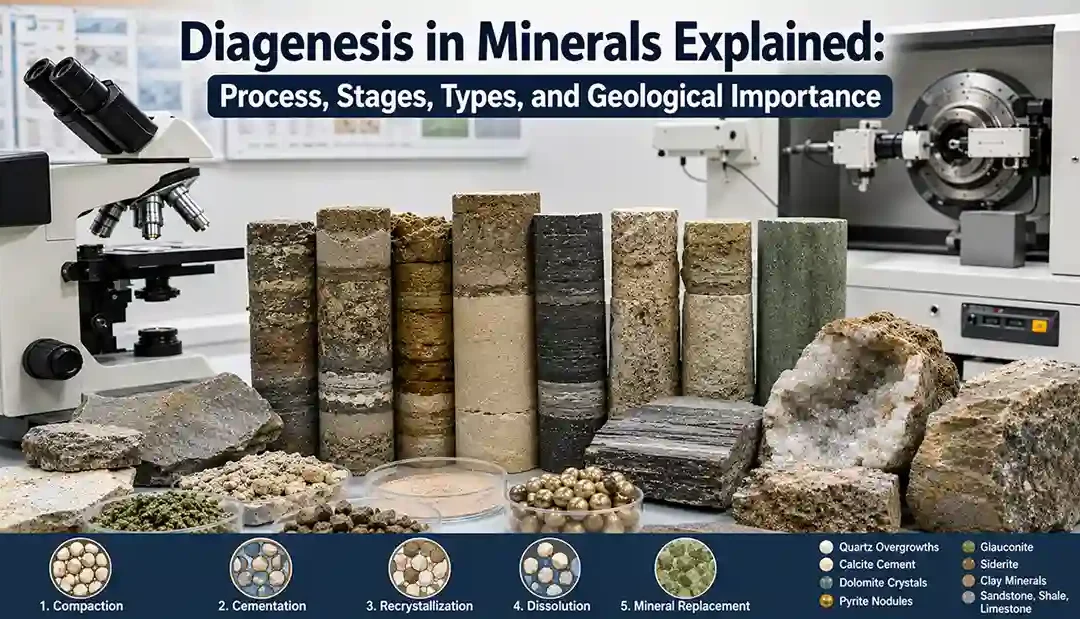 Diagenesis is the collection of physical, chemical, and biological processes that alter sediments after deposition but before they undergo metamorphism. During diagenesis, loose sediments are transformed into solid sedimentary rocks through compaction, cementation,...
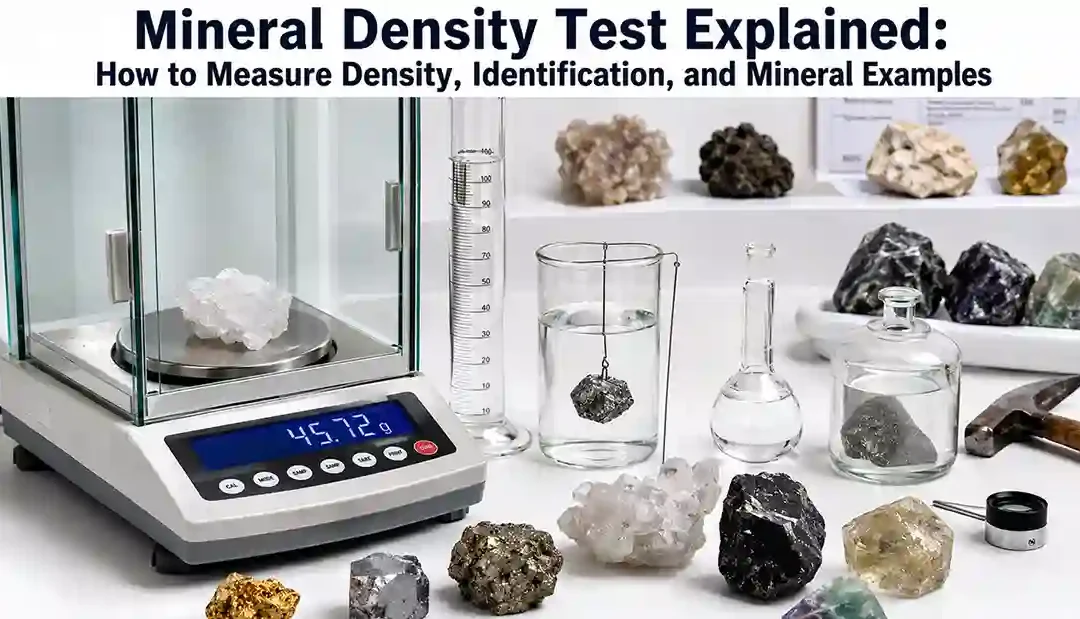 The mineral density test is one of the most reliable methods used to identify minerals because every mineral has a characteristic density determined by its chemical composition and crystal structure. Dense minerals such as gold and galena feel noticeably heavier than...
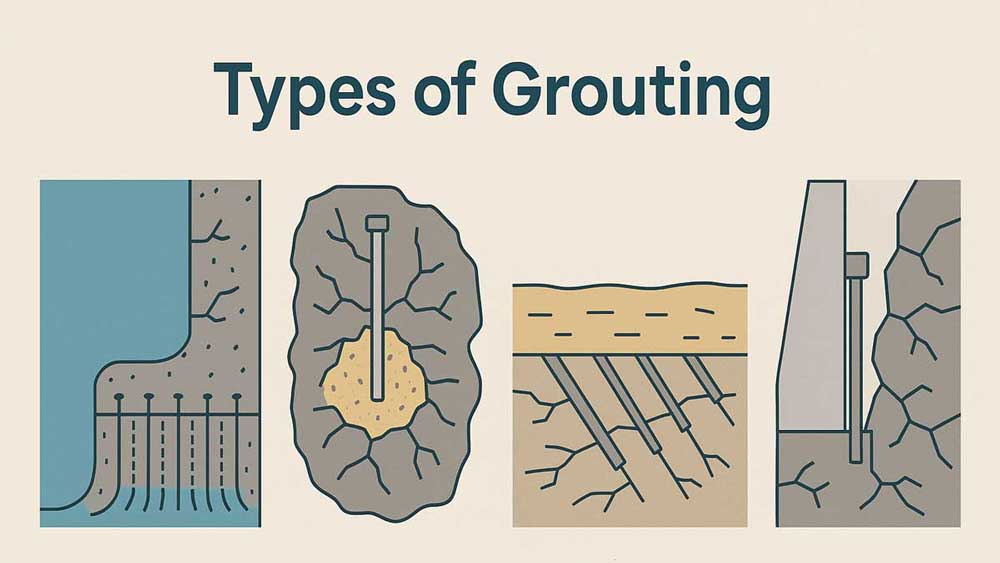 Grouting plays a crucial role in geotechnical engineering by improving the strength, stability, and impermeability of soil and rock foundations. Engineers inject a fluid-like material into voids, cracks, or porous zones to seal, consolidate, or reinforce the ground....
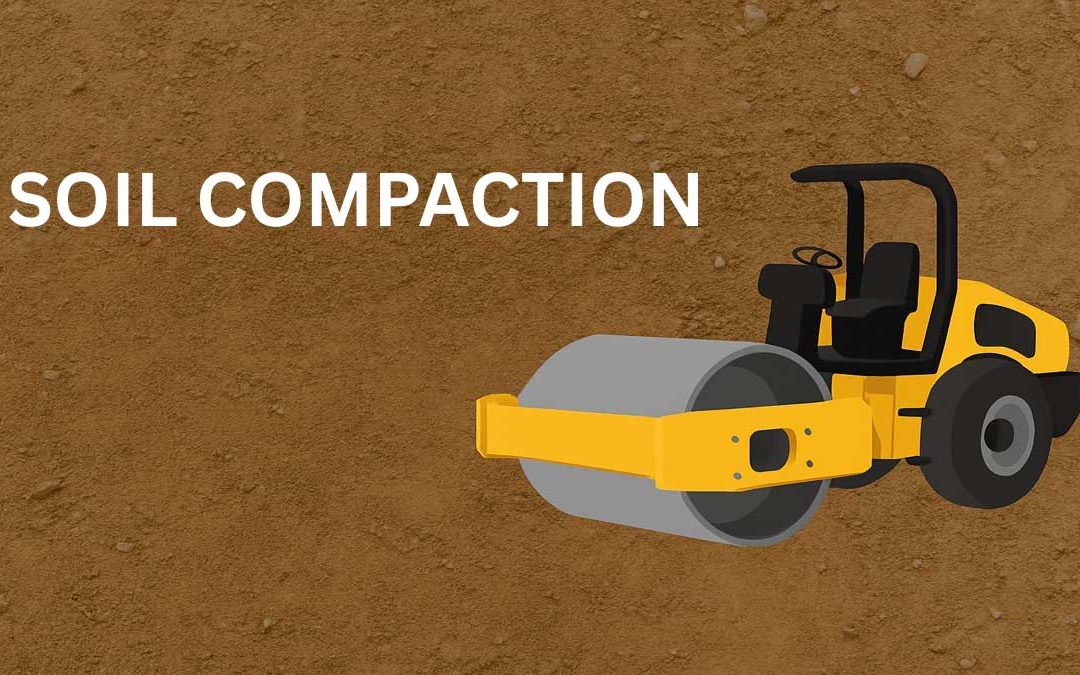 Compression soil accomplished by loading for a short period is known as compaction. It is a quick process of densification and stabilization of soil. A soil mass loses its compactness when it is excavated from its natural source and deposited elsewhere. Why Soil...